
When homeowners contact us about a garage door opening slowly, it is rarely a random issue. In most cases, slower operation is an early warning sign that something inside the system is wearing out or falling out of balance. Based on what we see on service calls across Chicago, speed changes usually happen gradually, which is why they are often ignored until the door becomes unreliable or unsafe.
A residential garage door is a heavy mechanical system that depends on precise balance and controlled movement. When resistance increases anywhere in that system, speed is usually the first thing affected.
What Slow Garage Door Operation Really Indicates
Many homeowners ask if it is normal when a garage door opens slowly, especially during colder months. From a technician’s standpoint, a properly functioning garage door should complete a full open or close cycle in about 12 to 15 seconds.
When a door starts taking noticeably longer, it usually means the opener is compensating for increased load or friction. A garage door slow to open is not just an inconvenience, it is the system protecting itself from damage.
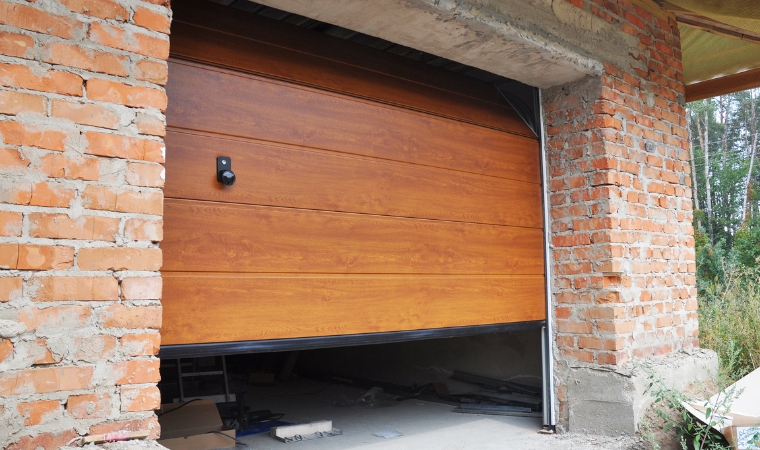
Mechanical Wear Is the Most Common Cause
From years of field experience, mechanical wear accounts for most cases of a garage door opening slow. Components that handle weight and movement naturally degrade over time.
Common wear-related issues include:
- Rollers developing flat spots or binding
- Hinges loosening or cracking
- Bearings drying out or seizing
- Tracks shifting slightly out of alignment
When these parts no longer move freely, resistance builds and the door begins moving slower with each cycle.
Spring Tension and Door Balance Problems
Spring tension plays a critical role in door speed. Springs are designed to carry most of the door’s weight so the opener does not have to. As springs age, they lose tension gradually rather than breaking immediately.
We frequently diagnose doors that feel heavy when lifted manually or hesitate halfway through opening. In these cases, the opener slows down to manage the extra load, leading to a garage door opening very slowly and placing additional strain on the motor.
Ignoring spring imbalance often leads to sudden spring failure or premature opener damage.
Opener Issues That Affect Speed
While mechanical components cause most slow-downs, opener-related problems do occur. We commonly see:
- Motors losing torque with age
- Drive gears wearing down
- Force settings reduced after power interruptions
- Battery backup mode engaging during voltage fluctuations
A garage door moving slowly due to opener issues is often louder than usual and may stop partway through its cycle as a safety response.
Safety Risks of a Slow Garage Door
One of the most important things we emphasize is that slow operation is not just a performance issue. Over time, inconsistent movement increases strain on components and raises garage door safety risks, especially in systems operating under high tension, it can lead to:
- Increased stress on cables and springs
- Unpredictable stopping or reversing
- Higher risk of component failure
- Reduced safety system reliability
A door that moves inconsistently is harder for sensors and openers to monitor accurately, which increases safety risks for vehicles, pets, and people.

When Fast Professional Repair Matters
In our experience, addressing slow operation early almost always prevents larger repairs. Once friction, imbalance, or opener strain is corrected, normal speed is typically restored immediately.
Professional inspection allows technicians to:
- Check door balance and spring tension
- Identify friction points
- Verify track alignment
- Test opener performance under proper load
This approach fixes the cause rather than masking the symptom.
Final Thoughts From the Field
A garage door that is slowing down is telling you something important. Whether the issue is mechanical wear, spring imbalance, or opener strain, early diagnosis keeps the system safe and reliable.
For homeowners in Chicago, fast, accurate service makes all the difference. If your door no longer moves the way it should, having it inspected promptly helps avoid breakdowns, safety issues, and costly repairs late.