
When a homeowner tells us their garage smells like gas, we treat it as a safety-first situation, even if the smell seems faint or comes and goes. In the field, we found that “gas smell” complaints often fall into two categories, a true fuel or natural gas problem, or a look-alike odor (solvents, exhaust, sewer gas) that people understandably interpret as fuel.
That said, you should not try to guess your way through it. Start with the safe steps below, then narrow down causes only after you are sure there is no immediate hazard.
What to Do First
If you notice a strong gas smell in garage, or you feel dizzy, nauseous, get a headache, or your eyes burn:
- Get everyone out of the garage and nearby rooms.
- Do not flip light switches, use garage door remotes, start vehicles, or plug in chargers. Sparks matter.
- If it is safe, open the garage door manually only if you can do it without using powered controls.
- From outside, call your gas utility’s emergency line or 911.
For general guidance on recognizing a gas leak and what to do, this federal resource is a solid reference.
We suggest treating any persistent odor as real until a qualified pro confirms otherwise.
Why Garages Hold Onto Odors
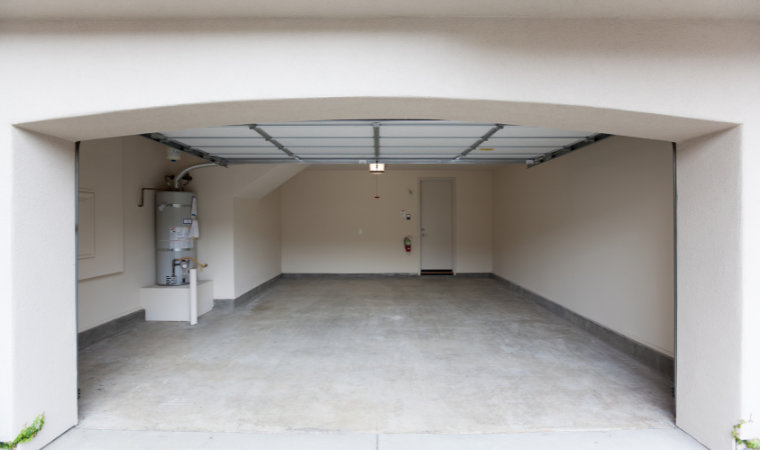
We observed garages behave like odor traps. They usually have limited ventilation, lots of porous materials (cardboard, drywall, insulation), and many “odor sources” in one place, vehicles, fuel cans, chemicals, appliances, and floor drains. Even when the source is small, the smell can build and linger.
So when a customer says they smell gas in garage, it does not automatically mean a major leak, but it does mean you need a methodical check.
Common Causes We Find
1. Gasoline vapors from a vehicle or fuel containers
If you park a car inside, fuel vapors can come from:
- A loose or damaged gas cap
- A small seep at the fuel filler neck
- A minor drip that evaporates quickly
- Fuel stored in cans for lawn equipment
We found this is one of the most common explanations for smells like gas in garage, especially after refueling, warm days, or when the vehicle was parked right after a drive.
What to do:
- Check the gas cap first, tighten until it clicks.
- Look for wet spots under the vehicle.
- Move fuel cans outdoors to a shaded, ventilated area [never inside the home].
2. Exhaust smell mistaken for gas
This is more common than most people think. A brief engine start inside the garage, even with the door open, can leave an exhaust odor that people interpret as fuel. We observed this in winter especially.
What to do:
- Increase ventilation, open the door fully and let it air out.
- Avoid warming up vehicles in the garage.
3. Natural gas or propane from appliances in or near the garage
If you have a water heater, furnace, or gas dryer nearby, you may be dealing with a fuel supply issue, a pilot light issue, or venting problems. A faint odor near an appliance still matters.
This is where homeowners often say smell of gas in garage but cannot see anything obvious.
What to do:
- Do not attempt appliance repairs yourself.
- Call your utility or a licensed technician to inspect the appliance and supply line.
4. “Garage smells like gas but no leak” scenarios
We have had many calls where the homeowner insists there is no leak because they used soap solution and saw no bubbles. That test can miss intermittent issues or problems in places you cannot access safely.
Common causes we found in these cases:
- Very small seep at a fitting that only leaks under certain temperature or pressure conditions
- A vehicle evap system issue that vents vapor intermittently
- Gas odors pulled in from outside near a regulator or meter and carried into the garage via drafts
- Chemical odors (paint thinner, cleaners) mimicking fuel
If your garage smells like gas but no leak is visible, the right next step is a professional inspection, not repeated DIY testing.
5. “Garage smells like gas no car” situations
When there is no vehicle involved, our attention shifts to:
- Stored fuel cans and tools (mowers, trimmers)
- Gas appliances and venting
- Nearby exterior sources (gas meter, regulator, neighbor’s venting)
- Floor drain odors that resemble chemical or fuel smell
If your garage smells like gas no car is present, remove stored fuels first (safely), then have any gas appliances and nearby gas piping checked.
Why This Can Become a Garage Door Problem Too
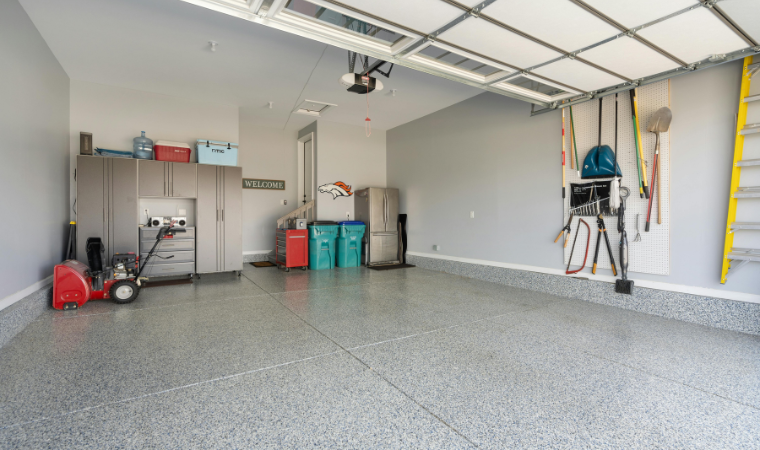
As garage door pros, we also look at what your door system might be doing during these events. We observed that some people keep cycling the door open and closed to “air it out.” If there is a real fuel leak, that repeated use increases ignition risk because openers, remotes, and wall buttons can spark internally.
We suggest ventilating by opening the door once, then leaving it open and addressing the source, rather than repeatedly running the opener.
When to Call a Technician Immediately
Call for professional help right away if:
- The smell is strong or worsening
- Anyone has symptoms (headache, dizziness, nausea)
- The odor is near a water heater, furnace, or gas line
- You hear hissing
- The smell returns repeatedly over several days
That said, do not wait for it to “get bad enough.” Early inspection is typically faster and cheaper than dealing with damage, emergency calls, or safety incidents.
What We Suggest as a Practical Checklist
- Ventilate safely and avoid sparks.
- Remove obvious sources (fuel cans, solvents) to an outdoor safe storage location.
- Check vehicle gas cap and look for wet spots.
- If the odor persists, stop troubleshooting and call a pro.
If you want, tell me your setup (car in garage, gas water heater in garage, any stored fuel), and I will map the most likely cause order and the safest next steps without guessing.