
When homeowners ask us whether a gas smell in garage dangerous, our answer is almost always yes, at least until proven otherwise. From years of working in garages and responding to service calls, we found that fuel-related odors are one of the most commonly underestimated safety risks around a home. Garages collect vapors, limit airflow, and contain ignition sources, which means a small problem can escalate quickly.
That said, not every odor means the same thing. The key is knowing when to act immediately and when careful investigation is appropriate.

Why Gas Smells in Garages Are Taken Seriously
We observed that garages behave differently from living spaces. They trap fumes close to the floor, where gasoline vapors and natural gas can concentrate. Over time, those vapors can spread into the house through shared walls or ducting.
In the field, we found that most serious incidents start with a smell that was ignored because it seemed mild or temporary. Treating any suspected gas leak in garage as real until confirmed otherwise is the safest mindset.
Gasoline vs Natural Gas, Why the Difference Matters
One reason these situations are confusing is that “gas smell” can mean different things.
- Natural gas typically smells like sulfur or rotten eggs. This usually points to a supply or appliance issue.
- Gasoline odors smell sharp and chemical. These come from vehicles, fuel containers, or equipment.
Both can be dangerous, but they behave differently. We observed that gasoline fumes in garage tend to linger longer because they cling to surfaces and evaporate slowly, especially in warm conditions.
When the Smell Is an Immediate Danger
There are situations where you should stop troubleshooting and act right away. Based on what we found over years of service calls, immediate action is needed if:
- The odor is strong, sudden, or worsening
- You hear hissing near a pipe or appliance
- Anyone experiences headache, dizziness, or nausea
- The smell is near a water heater, furnace, or electrical panel
In these cases, the gas smell in garage dangerous becomes an emergency issue. We suggest getting everyone outside, avoiding switches or remotes, and calling your gas utility or emergency services.
For general public safety guidance on recognizing gas leaks and responding correctly, the U.S. Consumer Product Safety Commission provides clear instructions.
Gasoline Odors, Still a Serious Risk
We often hear homeowners ask if a gasoline smell in garage dangerous when it seems faint. Based on what we observed, gasoline vapors are highly flammable even at low concentrations. Common causes include:
- Loose or damaged gas caps
- Fuel spills that soaked into concrete
- Venting from lawn equipment or fuel cans
- A gasoline leak in garage from a vehicle fuel or EVAP system issue
That said, the danger increases when vapors build up over time. Even without visible liquid, the risk remains if the odor keeps returning.
Mistakes That Increase Risk
We found several habits that make these situations more dangerous:
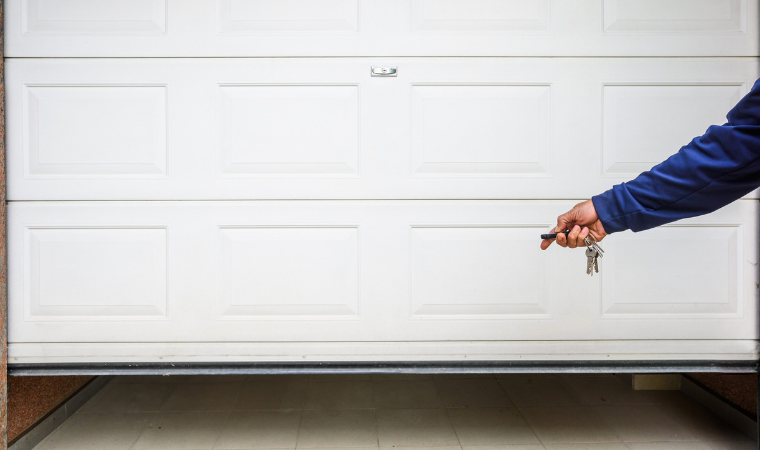
- Repeatedly opening and closing the garage door with the opener to “air it out”
- Starting vehicles inside the garage
- Using fans or tools that can spark
- Masking the smell instead of finding the source
We suggest ventilating by opening the door once and leaving it open while you address the source, rather than cycling the opener.
When Careful Investigation Is Appropriate
If the smell is mild, intermittent, and clearly tied to something like a recent fill-up or stored fuel, you may have time to investigate safely. This is where we suggest:
- Checking gas caps and filler areas
- Removing fuel containers to an outdoor, ventilated space
- Looking for old spills near the vehicle or equipment
Even then, if the odor returns, it is no longer a guessing game. Persistent smells mean something is still releasing vapor.
Final Thoughts From the Field
From real-world experience, the question is not whether a gas smell in garage dangerous, but how quickly you respond. Some situations require immediate evacuation, others require careful inspection, but none should be ignored.
That said, fuel odors are warning signals. Treat them seriously, act conservatively, and do not hesitate to involve professionals when the source is unclear. Early action prevents fires, injuries, and costly damage later.