
Is a Gas Smell in the Garage Dangerous? When to Act Immediately
When homeowners ask us whether a gas smell in garage dangerous, our answer is almost always yes, at least until proven otherwise. From years of working in garages and responding to service calls, we found that fuel-related odors are one of the most commonly underestimated safety risks around a home. Garages collect vapors, limit airflow, and contain ignition sources, which means a small problem can escalate quickly. That said, not every odor means the same thing. The key is knowing when to act immediately and when careful investigation is appropriate. Why Gas Smells in Garages Are Taken Seriously We observed that garages behave differently from living spaces. They trap fumes close to the floor, where gasoline vapors and natural gas can concentrate. Over time, those vapors can spread into the house through shared walls or ducting. In the field, we found that most serious incidents start with a smell that was ignored because it seemed mild or temporary. Treating any suspected gas leak in garage as real until confirmed otherwise is the safest mindset. Gasoline vs Natural Gas, Why the Difference Matters One reason these situations are confusing is that “gas smell” can mean different things. Both can be dangerous, but they behave differently. We observed that gasoline fumes in garage tend to linger longer because they cling to surfaces and evaporate slowly, especially in warm conditions. When the Smell Is an Immediate Danger There are situations where you should stop troubleshooting and act right away. Based on what we found over years of service calls, immediate action is needed if: In these cases, the gas smell in garage dangerous becomes an emergency issue. We suggest getting everyone outside, avoiding switches or remotes, and calling your gas utility or emergency services. For general public safety guidance on recognizing gas leaks and responding correctly, the U.S. Consumer Product Safety Commission provides clear instructions. Gasoline Odors, Still a Serious Risk We often hear homeowners ask if a gasoline smell in garage dangerous when it seems faint. Based on what we observed, gasoline vapors are highly flammable even at low concentrations. Common causes include: That said, the danger increases when vapors build up over time. Even without visible liquid, the risk remains if the odor keeps returning. Mistakes That Increase Risk We found several habits that make these situations more dangerous: We suggest ventilating by opening the door once and leaving it open while you address the source, rather than cycling the opener. When Careful Investigation Is Appropriate If the smell is mild, intermittent, and clearly tied to something like a recent fill-up or stored fuel, you may have time to investigate safely. This is where we suggest: Even then, if the odor returns, it is no longer a guessing game. Persistent smells mean something is still releasing vapor. Final Thoughts From the Field From real-world experience, the question is not whether a gas smell in garage dangerous, but how quickly you respond. Some situations require immediate evacuation, others require careful inspection, but none should be ignored. That said, fuel odors are warning signals. Treat them seriously, act conservatively, and do not hesitate to involve professionals when the source is unclear. Early action prevents fires, injuries, and costly damage later.
How to Get Rid of Gas Smell in Your Garage Safely
When homeowners ask us how to get rid of gas smell in garage, it is usually after the odor has lingered longer than expected or keeps coming back. From years of working in and around garages, we found that fuel smells behave differently than most household odors. Gas vapors spread quickly, cling to surfaces, and build up in enclosed spaces, which is why garages are especially prone to this problem. That said, removing the smell safely is just as important as removing it completely. Masking odors without addressing the source can create serious safety risks. Step One: Make the Space Safe Before Anything Else Before you try to clean or deodorize, safety comes first. We observed that many homeowners immediately reach for fans, cleaners, or even run the garage door opener repeatedly, which can be dangerous if vapors are still present. We suggest starting with: If the smell is strong or you feel lightheaded, step outside and contact local emergency services. For general fuel vapor safety guidance, the U.S. Consumer Product Safety Commission provides clear recommendations on handling gasoline and vapors: Identify the Source Before You Treat the Smell From what we found in the field, deodorizing without source control almost never works. Gas odors usually come from one of three places: If you are trying to get rid of gas smell in garage permanently, you must first stop any active vapor release. That might mean tightening a gas cap, removing old fuel cans, or isolating equipment that vents fuel vapor. Ventilation Is Necessary but Not Sufficient Ventilation is always the first step, but it rarely finishes the job by itself. We observed that gasoline vapors settle into drywall, cardboard, wood shelving, and even bare concrete. To how to get gas smell out of garage effectively, ventilation should be combined with surface treatment. Leave the door open for several hours, then reassess where the odor is strongest rather than assuming it is gone. Cleaning and Absorbing Residual Odors Once the source is controlled, the next goal is to remove gas smell from garage surfaces. This is where many people go wrong by using harsh chemicals that react poorly with fuel residue. Based on what we observed, effective steps include: Homeowners often ask what neutralizes the smell of gasoline. In practice, absorption works better than “neutralizing.” Odors fade when vapors are captured and removed, not masked. Treating Concrete Floors and Porous Surfaces Concrete is one of the biggest reasons gas smells linger. We found that even small spills can soak deep into the slab. To how to remove gas smell from garage floors: Sealing the concrete may be necessary if the smell keeps returning after cleaning. Common Mistakes That Make the Smell Worse We observed several habits that prolong or intensify fuel odors: That said, patience matters. Odor removal takes time, especially if vapors have been present for days. When the Smell Keeps Coming Back If you have followed all steps and still need to how to eliminate gas smell, it usually means there is an ongoing source. In our experience, recurring odors point to: At that point, continued DIY attempts often waste time and increase risk. Final Thoughts From the Field From years of hands-on experience, the safest and most effective way to handle fuel odors is methodical, not aggressive. Control the source, ventilate correctly, absorb residue, and only then clean surfaces. If you are still unsure how to get rid of gas smell in garage after following these steps, professional inspection is the right next move. Persistent fuel odors are not something to ignore or cover up, they are signals that something still needs attention.
Why Does My Garage Smell Like Gasoline?
When my garage smells like gasoline, we treat it as a safety-first problem, even if it comes and goes. In the field, we found that gasoline odor complaints usually come from one of three buckets: vapor escaping from a vehicle fuel system, vapors from stored fuels (cans, lawn equipment), or lingering residue from a spill that keeps off-gassing into an enclosed space. That said, garages trap vapors easily, so a small source can smell big. Below is how we suggest approaching it, based on what we observed on real service calls. Do this first before troubleshooting If you notice a strong gasoline smell in garage, take these steps before you start inspecting anything: If fuel cans or portable containers are involved, the U.S. Consumer Product Safety Commission has straightforward gasoline fuel container safety guidance on storage and handling. Why the smell can be worse than the leak We observed that gasoline vapors cling to porous materials, cardboard, drywall, rags, and even unfinished concrete. Temperature swings also matter. When the garage warms up in the afternoon, vapors expand and the odor becomes more noticeable. So when a homeowner says the garage smells like gasoline, the source can be small but persistent. Most common causes we find 1) A minor spill that keeps off-gassing This is the most overlooked cause. A few ounces spilled near a car, gas can, mower, or snowblower can soak into concrete and keep releasing vapor for days. What we suggest: 2) Vehicle evap system issues and loose caps If you have a gasoline smell in garage and it seems tied to one vehicle, common culprits include a loose cap, cracked cap seal, or an evaporative emissions (EVAP) fault that vents vapor intermittently. We found this shows up a lot when the vehicle is parked shortly after driving, when the fuel tank is warm and pressure is higher. What we suggest: 3) Stored fuel containers and small engine equipment Gas cans, especially older ones or cans with worn seals, can leak vapor without visibly leaking liquid. Lawn equipment stored with fuel in the tank can also vent odors. If your garage smells like gasoline and you store fuel or equipment, move them to a well-ventilated, cool storage area that is not near ignition sources, and follow the container safety practices recommended by CPSC. 4) The “after filling up” pattern We observed a very specific pattern: garage smells like gas after filling up because vapors cling to clothing, gloves, the gas cap area, or a small splash-down at the pump that later evaporates in the garage. This often feels mysterious because the vehicle looks fine. What we suggest: 5) When it smells like gasoline but you cannot find liquid This is the situation homeowners describe as “it reeks, but nothing is wet.” In our experience, that usually means vapor-only loss (cap, EVAP venting, container seal) or an old spill soaked into porous surfaces. Quick rule-outs that save time If the odor is sharp and intense even after ventilation, treat it as active vapor release, not a lingering smell. When to stop DIY checks and call for help We suggest calling a qualified technician or your local fire department non-emergency line if: Also, if your garage has a water heater or other ignition source in the same space, be conservative. Vapors and ignition sources should never mix. Bottom line If the smell is occasional and clearly tied to fueling or a container, you can often solve it with ventilation, proper storage, and fixing the source. If the odor is persistent, spreading, or strong, do not keep guessing. The safest move is to treat it as active vapor release until proven otherwise.
Garage Smells Like Gas? Common Causes & What to Do
When a homeowner tells us their garage smells like gas, we treat it as a safety-first situation, even if the smell seems faint or comes and goes. In the field, we found that “gas smell” complaints often fall into two categories, a true fuel or natural gas problem, or a look-alike odor (solvents, exhaust, sewer gas) that people understandably interpret as fuel. That said, you should not try to guess your way through it. Start with the safe steps below, then narrow down causes only after you are sure there is no immediate hazard. What to Do First If you notice a strong gas smell in garage, or you feel dizzy, nauseous, get a headache, or your eyes burn: For general guidance on recognizing a gas leak and what to do, this federal resource is a solid reference. We suggest treating any persistent odor as real until a qualified pro confirms otherwise. Why Garages Hold Onto Odors We observed garages behave like odor traps. They usually have limited ventilation, lots of porous materials (cardboard, drywall, insulation), and many “odor sources” in one place, vehicles, fuel cans, chemicals, appliances, and floor drains. Even when the source is small, the smell can build and linger. So when a customer says they smell gas in garage, it does not automatically mean a major leak, but it does mean you need a methodical check. Common Causes We Find 1. Gasoline vapors from a vehicle or fuel containers If you park a car inside, fuel vapors can come from: We found this is one of the most common explanations for smells like gas in garage, especially after refueling, warm days, or when the vehicle was parked right after a drive. What to do: 2. Exhaust smell mistaken for gas This is more common than most people think. A brief engine start inside the garage, even with the door open, can leave an exhaust odor that people interpret as fuel. We observed this in winter especially. What to do: 3. Natural gas or propane from appliances in or near the garage If you have a water heater, furnace, or gas dryer nearby, you may be dealing with a fuel supply issue, a pilot light issue, or venting problems. A faint odor near an appliance still matters. This is where homeowners often say smell of gas in garage but cannot see anything obvious. What to do: 4. “Garage smells like gas but no leak” scenarios We have had many calls where the homeowner insists there is no leak because they used soap solution and saw no bubbles. That test can miss intermittent issues or problems in places you cannot access safely. Common causes we found in these cases: If your garage smells like gas but no leak is visible, the right next step is a professional inspection, not repeated DIY testing. 5. “Garage smells like gas no car” situations When there is no vehicle involved, our attention shifts to: If your garage smells like gas no car is present, remove stored fuels first (safely), then have any gas appliances and nearby gas piping checked. Why This Can Become a Garage Door Problem Too As garage door pros, we also look at what your door system might be doing during these events. We observed that some people keep cycling the door open and closed to “air it out.” If there is a real fuel leak, that repeated use increases ignition risk because openers, remotes, and wall buttons can spark internally. We suggest ventilating by opening the door once, then leaving it open and addressing the source, rather than repeatedly running the opener. When to Call a Technician Immediately Call for professional help right away if: That said, do not wait for it to “get bad enough.” Early inspection is typically faster and cheaper than dealing with damage, emergency calls, or safety incidents. What We Suggest as a Practical Checklist If you want, tell me your setup (car in garage, gas water heater in garage, any stored fuel), and I will map the most likely cause order and the safest next steps without guessing.
Springless Garage Doors Explained : Pros, Cons & Repair Options
Over the years, we have been asked more frequently about the springless garage door, especially by homeowners looking for alternatives to traditional torsion or extension spring systems. These doors are often marketed as safer, quieter, or maintenance-free, but real-world performance tells a more nuanced story. Based on what we have seen in the field, springless systems solve some problems while introducing others. Understanding how they work and where they struggle is critical before choosing one or attempting repairs. How Springless Garage Doors Actually Work Traditional garage doors rely on springs to counterbalance the weight of the door. A springless system removes that component entirely and replaces it with alternative lifting mechanisms. In most cases, springless garage doors use one of the following designs: We observed that these systems shift the workload from mechanical springs to motors and gear assemblies. Instead of storing energy in a spring, the opener itself does most or all of the lifting. That said, this design significantly changes how stress is distributed across the system. Why Springless Systems Exist Manufacturers introduced springless designs to address common homeowner concerns, mainly safety and spring failure anxiety. Broken springs can be dangerous if handled incorrectly, and springless systems eliminate that specific risk. We found that springless doors are most often installed in: That said, eliminating springs does not eliminate maintenance or failure risk. It simply moves it elsewhere. The Role of the Opener in a Springless System In a springless setup, the opener is no longer assisting the door, it is doing the heavy lifting. A springless garage door opener must be significantly stronger and more precisely calibrated than a standard opener. We observed that these openers operate under constant load. Unlike traditional systems where springs carry most of the weight, the motor in a springless system works hard every single cycle. This is also why many springless designs function as a garage door opener without springs, rather than a standard door with a modified opener. Repair Challenges We Commonly See From a service standpoint, springless systems present unique challenges. We found that many general garage door repair companies are not equipped or trained to service them properly. Common issues include: That said, diagnosing issues requires a different approach. Standard balance tests do not apply, and improper repairs can cause rapid system failure. We suggest that homeowners with springless systems avoid DIY repairs entirely. These systems often require manufacturer-specific tools and procedures. Cost Comparison and Long-Term Ownership One of the biggest misconceptions we encounter is that springless systems are cheaper over time. While they may reduce spring replacement costs, other expenses often offset those savings. Based on what we observed: That said, for homeowners prioritizing spring elimination for safety or design reasons, the tradeoff may still make sense. Safety and Performance Considerations Springless systems are not inherently unsafe, but they behave differently under failure conditions. Because the opener carries the load, a motor or drive failure can leave the door completely inoperable. For general safety awareness related to garage door systems and lifting mechanisms, we recommend reviewing guidance from the U.S. Consumer Product Safety Commission on garage door safety. Final Thoughts From the Field From our experience, springless systems are neither a perfect solution nor a gimmick. They are a specialized option that works best in the right application with proper expectations. We found that homeowners who understand the repair limitations and cost structure tend to be more satisfied long term. That said, professional installation, regular inspection, and correct servicing are critical to avoiding expensive failures. At Fairway Garage Door, we believe informed decisions lead to better outcomes. If you are considering a springless system or already own one that is not performing as expected, professional evaluation is the safest next step.
Garage Door Remote Not Working in Chicago: Repair & Programming
When homeowners call us about a garage door remote not working, the issue is rarely as simple as it first appears. Over years of service calls across Chicago, we have found that remote problems often involve more than just a dead battery. Signal interference, programming errors, and receiver issues are far more common than most people expect. That said, a non-responsive remote is not something to ignore. It is usually a sign that the opener system is no longer communicating properly, and that can quickly turn into a reliability or safety issue. The Battery Myth, Why New Batteries Do Not Always Fix the Problem One of the first things people try is replacing the battery. While that is a reasonable step, we observed many cases where a garage remote not working after new battery replacement still fails to operate the door. This usually happens because: We suggest checking battery orientation and contact condition first, but if the problem continues, it is time to look deeper. Signal and Interference Issues We Commonly See Garage door remotes rely on radio signals, and in urban environments like Chicago, interference is common. We have observed interference caused by: In these situations, the remote may work inconsistently, only at close range, or not at all. That inconsistency is often mistaken for a failing remote, when the real issue is signal disruption. When the Opener Receiver Is the Problem Another frequent diagnosis involves the opener itself. A garage door remote opener not working is often traced back to a failing receiver or logic board. We found that receivers can degrade over time due to: When this happens, even properly programmed remotes will stop responding. At that point, reprogramming alone will not solve the issue. Reprogramming Issues After Power Loss or Replacement Many remotes stop working after power outages, opener servicing, or battery changes. We observed that some openers automatically clear stored remote codes during interruptions. We suggest reprogramming the remote using the manufacturer’s sequence. However, if the opener does not enter programming mode or refuses to store new remotes, that usually points to an internal opener issue rather than a remote failure. When Replacement Makes More Sense Than Repair In our experience, older remotes often fail due to worn internal buttons or cracked circuit boards. If the remote must be pressed repeatedly or only works at extreme angles, replacement is usually the most reliable solution. That said, replacing a remote without confirming compatibility can lead to further frustration. We always verify: Safety Considerations You Should Not Ignore A malfunctioning remote is more than an inconvenience. Unreliable operation increases the risk of unexpected door movement or failure to stop when needed. For general safety awareness related to garage door systems, we recommend reviewing guidance from the U.S. Consumer Product Safety Commission on garage door safety risks. Final Thoughts From the Field From what we have seen, remote issues are rarely random. Whether the cause is signal interference, receiver failure, or programming loss, accurate diagnosis is key. Replacing parts blindly often costs more in the long run. At Fairway Garage Door, we focus on identifying the real cause of remote failure and restoring dependable operation. If your garage door remote has stopped working or behaves unpredictably, professional inspection can quickly determine whether reprogramming, repair, or replacement is the right solution.
Garage Door Opening Slowly in Chicago
When homeowners contact us about a garage door opening slowly, it is rarely a random issue. In most cases, slower operation is an early warning sign that something inside the system is wearing out or falling out of balance. Based on what we see on service calls across Chicago, speed changes usually happen gradually, which is why they are often ignored until the door becomes unreliable or unsafe. A residential garage door is a heavy mechanical system that depends on precise balance and controlled movement. When resistance increases anywhere in that system, speed is usually the first thing affected. What Slow Garage Door Operation Really Indicates Many homeowners ask if it is normal when a garage door opens slowly, especially during colder months. From a technician’s standpoint, a properly functioning garage door should complete a full open or close cycle in about 12 to 15 seconds. When a door starts taking noticeably longer, it usually means the opener is compensating for increased load or friction. A garage door slow to open is not just an inconvenience, it is the system protecting itself from damage. Mechanical Wear Is the Most Common Cause From years of field experience, mechanical wear accounts for most cases of a garage door opening slow. Components that handle weight and movement naturally degrade over time. Common wear-related issues include: When these parts no longer move freely, resistance builds and the door begins moving slower with each cycle. Spring Tension and Door Balance Problems Spring tension plays a critical role in door speed. Springs are designed to carry most of the door’s weight so the opener does not have to. As springs age, they lose tension gradually rather than breaking immediately. We frequently diagnose doors that feel heavy when lifted manually or hesitate halfway through opening. In these cases, the opener slows down to manage the extra load, leading to a garage door opening very slowly and placing additional strain on the motor. Ignoring spring imbalance often leads to sudden spring failure or premature opener damage. Opener Issues That Affect Speed While mechanical components cause most slow-downs, opener-related problems do occur. We commonly see: A garage door moving slowly due to opener issues is often louder than usual and may stop partway through its cycle as a safety response. Safety Risks of a Slow Garage Door One of the most important things we emphasize is that slow operation is not just a performance issue. Over time, inconsistent movement increases strain on components and raises garage door safety risks, especially in systems operating under high tension, it can lead to: A door that moves inconsistently is harder for sensors and openers to monitor accurately, which increases safety risks for vehicles, pets, and people. When Fast Professional Repair Matters In our experience, addressing slow operation early almost always prevents larger repairs. Once friction, imbalance, or opener strain is corrected, normal speed is typically restored immediately. Professional inspection allows technicians to: This approach fixes the cause rather than masking the symptom. Final Thoughts From the Field A garage door that is slowing down is telling you something important. Whether the issue is mechanical wear, spring imbalance, or opener strain, early diagnosis keeps the system safe and reliable. For homeowners in Chicago, fast, accurate service makes all the difference. If your door no longer moves the way it should, having it inspected promptly helps avoid breakdowns, safety issues, and costly repairs late.
Why Your Garage Door Opens Slowly and How to Fix It
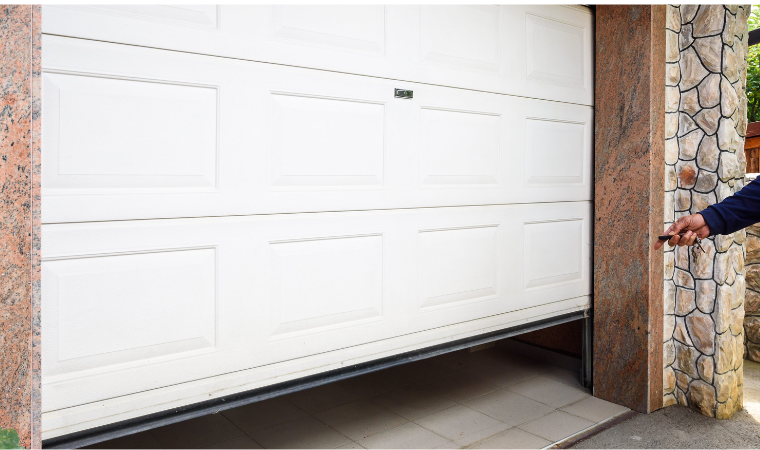
When homeowners call us and say their Garage Door Opens Slowly, it is usually a sign that something in the system has started to fall out of balance. In our day-to-day service work, we have found that speed issues rarely come out of nowhere. They develop gradually as components wear, shift, or lose efficiency. A residential garage door is one of the heaviest moving systems in a home. It relies on springs, rollers, tracks, cables, and an opener all working together under precise conditions. When even one of those parts begins to struggle, the first symptom we usually observe is slower movement. From what we see in the field, a healthy garage door should complete a full open or close cycle in about 12 to 15 seconds. Anything beyond that is worth paying attention to. What Slow Garage Door Operation Really Tells Us Many homeowners ask us, why is my garage door opening slowly, especially when the door still works and has not stopped completely. Based on our experience, slow movement is often the system compensating for increased resistance or imbalance. When a Garage Door Opens Slowly, it is usually because the opener is working harder than it should. Modern openers are designed to protect themselves, so they reduce speed or stop entirely when they sense abnormal load. That protection feature prevents sudden failures, but it also means something mechanical is no longer operating correctly. The Most Common Causes We Find on Service Calls Aging or Weak Springs From what we have observed over years of repairs, weakening torsion springs are one of the most frequent causes of slow operation. Springs are designed to carry most of the door’s weight. As they lose tension over time, the opener is forced to lift more load than intended. In these cases, the opener may still function, but it slows down to manage the extra strain. This is one of the first things we check when diagnosing a garage door opening slowly, because correcting spring balance often restores normal speed immediately. Increased Friction in Moving Parts Another issue we commonly encounter is friction buildup. Rollers, hinges, bearings, and tracks all need to move freely. When lubrication dries out or debris builds up, resistance increases. We have found that many doors suffer from either improper lubrication or the use of products that attract dust and grime. Over time, that friction causes slower, uneven movement and additional wear across the system. Track Alignment and Subtle Damage Tracks do not need to be visibly bent to cause speed issues. In fact, most alignment problems we diagnose are minor shifts that are hard to spot without experience. When rollers are forced through a tighter path, the door slows to compensate. This is another common reason a Garage Door Opens Slowly, even when everything appears fine at first glance. Opener Settings and Internal Wear Some garage door openers include speed or force controls. We have observed situations where these settings are lowered unintentionally, often after power interruptions or maintenance. In other cases, internal components such as gears or motors begin to wear down. When that happens, the opener may still work but loses efficiency, resulting in slower operation and increased noise. Why Addressing Slow Operation Early Matters Slow operation is rarely just an inconvenience. Over time, it can increase strain on components and raise broader household mechanical safety risks, especially in systems that operate under tension. Left unaddressed, it often leads to: That said, early inspection and correction almost always prevent larger problems. How We Diagnose and Fix Slow Garage Doors When we inspect a door that is opening slowly, we start with the mechanical system, not the opener controls. Our process is based on what we have learned through years of hands-on work. We typically: This approach allows us to fix the root cause rather than temporarily masking symptoms. Final Thoughts From the Field From our experience, when a garage door starts slowing down, it is communicating that something needs attention. Whether the cause is aging springs, friction, alignment issues, or opener wear, the solution begins with accurate diagnosis. At Fairway Garage Door, we believe informed homeowners make better decisions. If your door no longer moves the way it used to, having it checked early can save time, money, and frustration while keeping your system running safely and smoothly.
Garage Door Motion Sensor Not Working [Causes and Fixes]
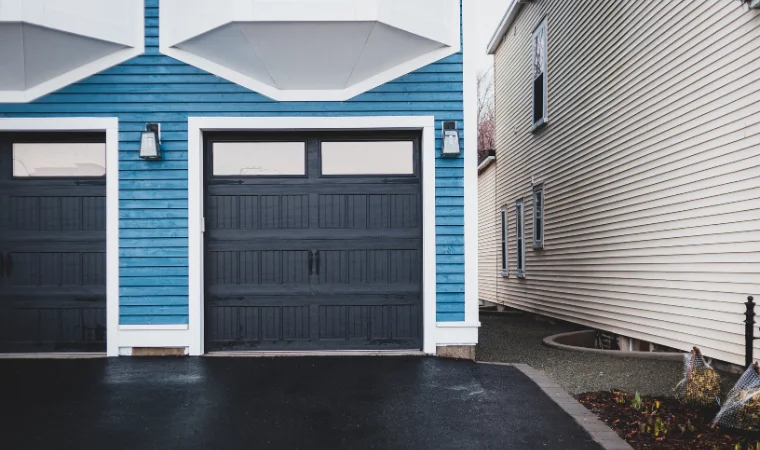
A garage door motion sensor is designed to detect movement and trigger a response from the opener or lighting system. When it stops working, homeowners often wonder whether the issue is electrical, mechanical, or sensor-related. From what we have seen in the field, motion sensor problems are usually tied to calibration issues, environmental interference, or component wear rather than sudden failure. Understanding why a garage door motion sensor stops working helps determine whether the issue is simple or requires professional attention. What a Garage Door Motion Sensor Does A garage door motion sensor detects movement inside or near the garage. Depending on the system, it may turn on lights, prevent the door from closing, or signal the opener to pause operation. These sensors are commonly built into the opener housing or mounted nearby. When homeowners report that a Garage Door Motion Sensor Is Not Working, the issue is often not the motor or remote but the sensor’s ability to detect motion accurately. What Is a Garage Door Trip Sensor A garage door trip sensor is part of the safety system that reacts when movement or interruption is detected. While the term is sometimes used interchangeably with motion sensor, a trip sensor is a component that triggers a response when a threshold is crossed. That threshold could be movement, a beam interruption, or a sudden signal change. In simple terms, the trip sensor tells the opener when something should stop or change the door’s behavior. If that signal is not received correctly, the system may behave unpredictably or fail to respond. Why Garage Door Motion Sensors Fail From our experience, there are several common reasons motion sensors stop working properly. 1. Sensor Range or Sensitivity Issues Motion sensors rely on a defined detection range. If sensitivity settings drift or the sensor lens becomes obstructed, movement may not be detected. 2. Environmental Interference We found that dust, cobwebs, temperature fluctuations, or humidity can degrade sensor performance. Even airflow from vents can affect detection in some garages. 3. Electrical or Power Problems Loose wiring, voltage drops, or aging internal components can prevent the sensor from sending a proper signal. This is a common cause when a garage door motion sensor not working appears suddenly. 4. Alignment or Mounting Shifts Sensors can shift over time due to vibration or minor impacts. When the angle changes, the detection field may no longer cover the intended area. 5. Aging Sensor Components Like any electronic component, motion sensors wear out. Over time, internal circuitry may become less responsive. How Motion Sensors Interact With the Garage Door System Motion sensors do not operate in isolation. They communicate with the opener’s logic board and safety systems. When the sensor detects movement, it sends a signal that may turn on lights, delay closing, or stop operation. If communication between the sensor and the opener is interrupted, the system may ignore movement. In many cases, when a garage door motion sensor is not working, the sensor reports having power but no longer communicates reliably. Common Signs of a Motion Sensor Issue • Garage lights do not turn on with movement• Door closes even when someone is present• Motion is detected only intermittently• Sensor works at night but not during the day• System responds inconsistently to movement These symptoms often point to detection or signal issues rather than complete sensor failure. Safe Observations Homeowners Can Make We suggest starting with simple checks that do not involve tools: • Make sure the sensor lens is clean• Look for objects blocking the detection field• Observe whether lighting conditions affect performance• Check if the sensor responds from different distances• Note whether issues happen consistently or randomly These observations help determine whether the problem is environmental or system-related. Fixes for Garage Door Motion Sensor Issues When a Garage Door Motion Sensor Not Working persists, the most common corrective steps usually involve recalibration, repositioning, or component replacement by a professional. We recommend a professional evaluation if:• The sensor fails after repeated adjustments• Motion detection stops completely• The door behaves unpredictably• Electrical components appear involved Motion sensors are directly tied to safety systems, so proper handling is essential. Why Motion Sensors Are Sensitive by Design Motion sensors are intentionally designed to be sensitive to prevent unsafe conditions. False triggers are preferred over missed detection when safety is involved. For a broader context on how motion sensors are designed and how environmental factors affect them, Consumer Reports provides a helpful overview of motion sensor technology here. This explains why small environmental changes can affect sensor performance. Preventing Motion Sensor Problems From what we have found, motion sensors last longer when:• The garage is kept relatively clean and dry• Sensors are not exposed to direct airflow• The mounting area is stable• Regular system inspections are performed Prevention reduces false readings and extends sensor lifespan. Frequently Asked Questions Why is my garage door motion sensor not working consistently? Environmental factors, sensitivity drift, or communication issues are common causes. Is a garage door trip sensor the same as a motion sensor? They are related. A trip sensor triggers a system response when motion or interruption is detected. Can sunlight affect motion sensors? Yes. Rapid temperature changes and light exposure can interfere with detection. Do motion sensors affect door closing? In many systems, yes. They can delay or stop closing when movement is detected. Should a motion sensor be replaced or repaired? That depends on age, condition, and whether calibration restores proper function. Final Thoughts When a garage door motion sensor stops working, the issue is often due to detection accuracy, environmental interference, or aging components, rather than a sudden failure. Motion and trip sensors play an important role in safety, and even small disruptions can change how the system behaves. In our experience, careful observation helps determine whether the issue is temporary or requires professional attention. Addressing sensor issues early helps ensure safe, predictable operation of the garage door.
How Do Garage Sensors Work
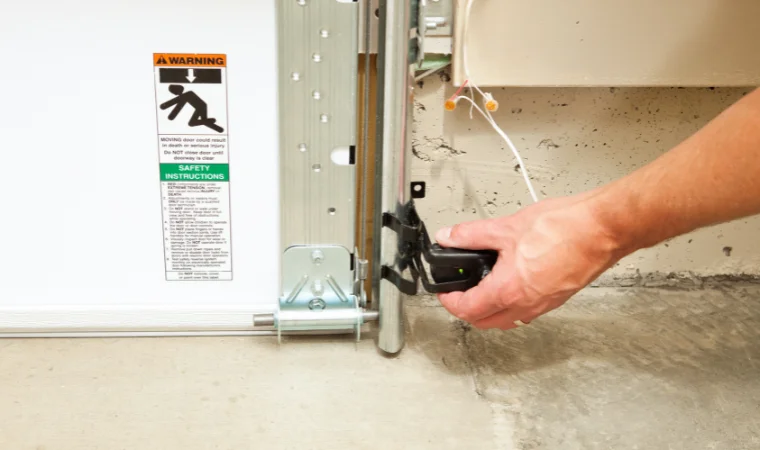
Garage door safety sensors are small devices, but they play a critical role in ensuring a garage door operates safely. Many homeowners notice the sensors only when they stop working, even though these components are active every time the door opens or closes. Understanding how garage sensors work helps explain why doors reverse unexpectedly, stop midway, or fail to close. This guide describes how garage door safety sensors work, focusing on infrared beams, alignment, and light signals, without getting overly technical. What Garage Door Safety Sensors Are Designed to Do Garage door sensors are designed to prevent the door from closing if something is in its path. This could be a vehicle, a person, a pet, or even a small object on the floor. The sensors continuously communicate while the door is moving; if that communication is interrupted, the door reacts immediately. When people ask, how do garage sensors work, the short answer is that they rely on an invisible beam and a constant line of sight. Understanding IR Beams At the core of the system is an infrared (IR) beam. One sensor sends the beam, and the other receives it. The beam runs just a few inches above the garage floor, where obstructions are most likely to occur. If anything breaks that beam while the door is closing, the system recognizes it instantly. The opener then stops the door or reverses it. This process occurs in real time and does not require pressure or contact. Understanding this beam is essential when learning how garage sensors work, because even minor interruptions can trigger a response. Why Sensor Alignment Matters Alignment is one of the most essential factors in sensor performance. Both sensors must face each other directly so the IR beam can travel uninterrupted. If one sensor shifts slightly due to vibration, impact, or loose mounting hardware, the beam may no longer reach the receiving sensor. When this happens, the system behaves as if a door is blocked, even when nothing is there. In many service checks, misalignment is the most common cause of sensor malfunctions. What Sensor Light Signals Mean Most garage sensors include small indicator lights. These lights help show whether the sensors are powered and communicating properly. While colors vary by manufacturer, the general purpose is the same: Light signals are a visual way to understand how garage sensors work without tools or testing equipment. How Sensors Communicate With the Opener The sensors are connected to the garage door opener through low-voltage wiring. When the IR beam is clear, the sensors signal the opener that it is safe to close the door. If the beam is interrupted, that signal changes instantly. This constant communication is why the door can stop or reverse so quickly. It also explains why sensor issues affect closing more often than opening. Common Situations That Interrupt Sensor Function Even when the sensors are working properly, certain conditions can interfere with them: These issues help explain how garage sensors work in real-world conditions, not just in ideal setups. Why Safety Sensors Are Required Garage door safety sensors became standard to reduce injury and property damage. Modern garage doors are powerful; without sensors, they would rely solely on force detection. For background on safety standards that influence sensor design, the UL garage door operator safety overview provides useful context:https://ul.com/services/garage-door-operator-safety-standard This helps explain why sensor systems are built the way they are. When Sensor Issues Suggest a Larger Problem Occasional interruptions are normal, but repeated issues may indicate worn wiring, aging sensors, or mounting issues. If sensors require frequent adjustment or the door refuses to close consistently, a professional inspection is often recommended. Understanding how garage sensors work helps homeowners distinguish between environmental and mechanical issues. Frequently Asked Questions 1. How do garage sensors work when the door is closing? They send and receive an infrared beam. If the beam is broken, the door stops or reverses immediately. 2. Why does my garage door open but not close? Sensors are primarily active during closing. If the beam is blocked or misaligned, the door will not close. 3. Do garage sensors work in the dark? Yes. Infrared beams do not rely on visible light. 4. Why do sensor lights blink? Blinking usually indicates alignment issues, signal interruption, or unstable power. 5. Can sunlight affect garage sensors? Yes. Strong direct sunlight can interfere with the beam and cause false interruptions. Final Thoughts Learning how garage sensors work makes it easier to understand why garage doors behave the way they do. These sensors rely on infrared beams, precise alignment, and constant communication with the opener. Small changes in alignment or environment can affect their performance, even when nothing appears broken. By understanding How Garage Door Safety Sensors Work, homeowners can better identify normal behavior, temporary interference, and situations that may require professional attention.