
Jammed Loading Dock Door? Preventing Delivery Delays for Chicago Businesses
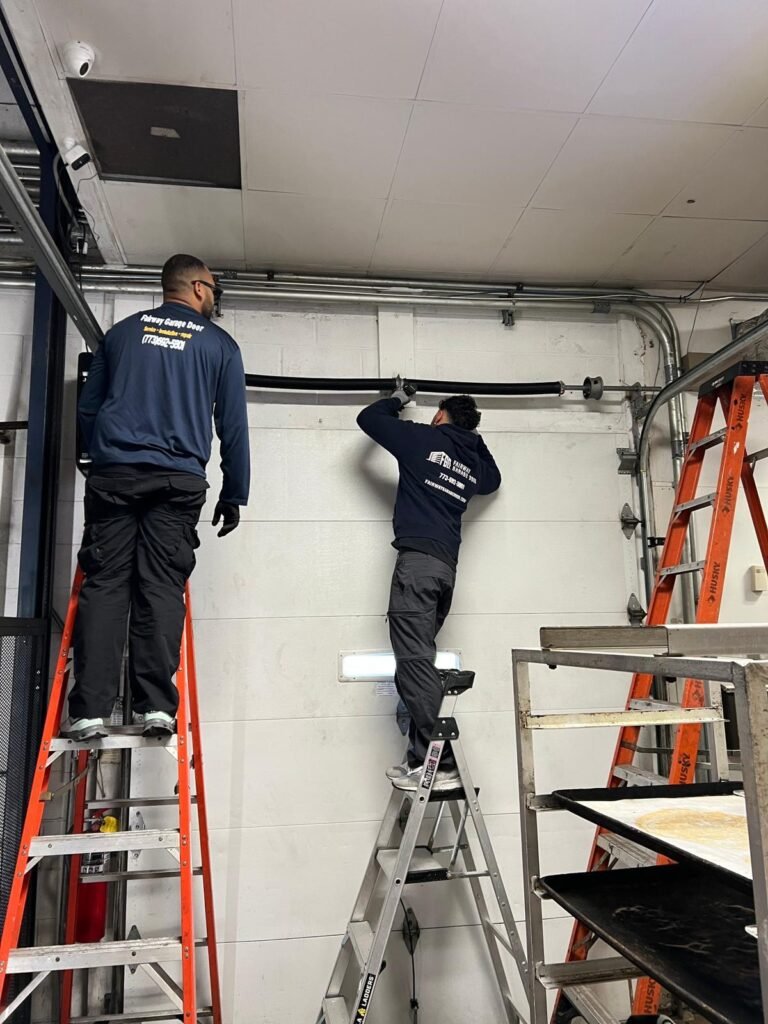
If your commercial loading dock door is jammed, immediately secure the area and assess for structural damage (like a forklift impact) or mechanical failure (snapped springs). Do not force the motor. For immediate dispatch to get your supply chain moving again, rely on professional emergency commercial repair protocols, then implement a routine maintenance plan to prevent future downtime. In the world of Chicago logistics, time is literally money. Whether you operate a cold-storage facility in Fulton Market or a massive distribution center near O’Hare, your loading docks are the lifeblood of your business. When a loading dock door stuck halfway up brings your operations to a grinding halt, the ripple effects are immediate: delivery trucks back up, climate control is compromised, and labor hours are wasted. High-cycle commercial doors endure incredible punishment. The team at Fairway Garage Door Repair understands that B2B logistics require industrial-strength solutions. Here is a breakdown of why your warehouse doors are failing, the true cost of that downtime, and how to bulletproof your loading docks. Why Do Commercial Roll-Up Doors Fail? Unlike residential doors that open twice a day, commercial roll-up doors run through dozens or even hundreds of cycles daily. This extreme wear and tear exposes them to three primary points of failure: Forklift Impacts: In a fast-paced warehouse, human error is inevitable. A forklift bumping the bottom bar or clipping the side tracks can instantly bend the guide rails or dent the metal slats, permanently wedging the door in place. Worn Motor Gear Sprockets: Heavy-duty commercial operators rely on internal gear sprockets and heavy drive chains. Over time, without proper lubrication, these gears strip down. The motor will run, but the door won’t move. Broken Tension Springs: Commercial doors weigh hundreds of pounds. The heavy-duty torsion springs do all the heavy lifting. When these snap due to high-cycle fatigue, the door becomes an immovable wall of steel. Check Out: Garage Door Roller Repair Chicago The True Cost of Downtime vs. Preventative Maintenance When a loading dock goes down, the repair bill is only a fraction of the actual cost to your business. Every hour a dock is out of commission, you leak money through driver detention fees, missed shipping service-level agreements (SLAs), and skyrocketing energy bills as Chicago’s freezing winter air (or humid summer heat) pours into your climate-controlled warehouse. Implementing a strict warehouse roll-up door maintenance schedule is not an expense; it is a vital cost-saving measure. Routine maintenance includes realigning tracks, tensioning springs, and lubricating all heavy-duty chain hoists and motor sprockets. Finding a frayed lifting cable during a scheduled inspection costs significantly less than dealing with a collapsed door during your busiest shift. Emergency Protocols: What to Do When the Door Stops If a door jams during a shift, follow these emergency commercial repair protocols to ensure warehouse safety: Secure the Bay: Immediately cordon off the loading bay with safety cones. Do not let employees walk under a jammed door. Inspect for Obvious Damage: Look at the tracks and bottom bar. If a forklift hit the door, do not attempt to use the manual chain hoist, as forcing bent metal will tear the tracks completely off the wall. Disengage the Operator: If the tracks are straight but the motor is smoking or grinding, engage the manual override and use the chain hoist to safely lower the door and secure the building. Call for Emergency Service: Contact a 24/7 commercial repair team to swap out the broken hardware and get the bay operational. The ROI of Upgrading Your Loading Dock Doors If your facility is constantly requesting commercial garage door repair Chicago, you might be using the wrong type of door for your volume. Upgrading your infrastructure offers a massive return on investment. Here is a quick look at the best upgrade paths for high-volume Chicago businesses: Door Type Best Used For Key Business Benefit Heavy-Duty Steel Roll-Up Standard security and daily shipping operations. Cost-effective replacement for aging, rusted infrastructure. Impact-Resistant Doors Facilities with narrow bays and high forklift traffic. “Breakaway” bottom tracks that can be easily popped back into place after a collision, eliminating downtime. High-Speed Fabric Doors Cold storage, food processing, and climate-controlled zones. Opens and closes in seconds, drastically reducing HVAC energy loss and speeding up forklift transition times. Keep Your Supply Chain Moving with Fairway Don’t let a jammed loading dock dictate your shipping schedule. Your warehouse infrastructure needs to be as reliable as the business you run. Whether you need an emergency repair team dispatched to fix a snapped spring right now, or you want to schedule preventative maintenance for your entire facility, Fairway Garage Door Repair is Chicago’s trusted B2B partner. We minimize your downtime so you can maximize your bottom line. Call us Today for Emergency Repair Frequently Asked Questions (FAQs) How quickly can Fairway respond to a stuck loading dock door in Chicago? We understand that a jammed door directly impacts your bottom line and delivery SLAs. Fairway Garage Door Repair offers rapid-response emergency commercial garage door repair in Chicago to secure your facility and get your supply chain moving again as quickly as possible. A forklift hit our warehouse roll-up door. Can it be fixed, or do we need a full replacement? It depends on the severity of the impact. Minor dents in the bottom bar or slightly bent guide tracks can often be repaired by replacing individual slats or track sections. However, if the impact compromised the structural integrity of the entire door, a full replacement is the safest option. How often should we schedule warehouse roll-up door maintenance? For high-traffic distribution centers and active loading docks, we strongly recommend bi-annual or quarterly warehouse roll-up door maintenance. Routine inspections ensure that heavy-duty torsion springs are properly tensioned, tracks are aligned, and motor sprockets are lubricated, drastically reducing the chance of a mid-shift failure. Why does my commercial door motor run, but the door won’t open? If you hear the motor grinding but the door isn’t moving, you likely have a
Why Your Garage Door is Frozen to the Ground (And How to Safely Open It)
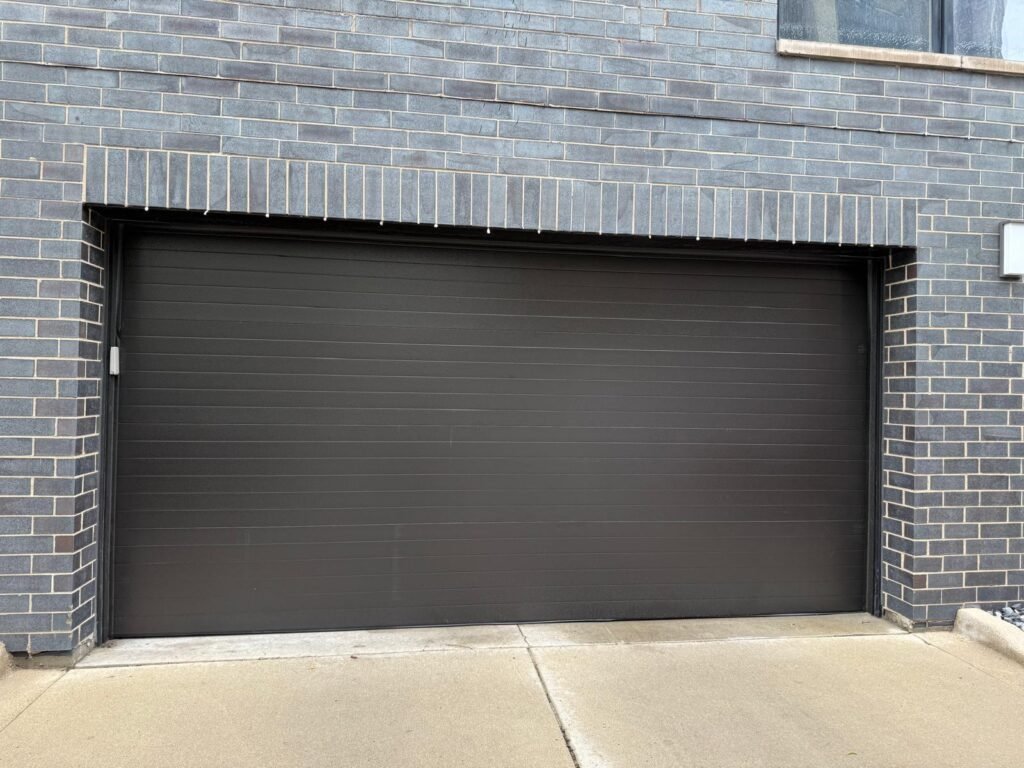
4 Safe Steps to Open a Garage Door Frozen to the Ground If you need to get your car out immediately, follow these four steps to safely unfreeze your garage door without damaging the hardware. Step 1: Disengage the Automatic Opener Always start by disconnecting the door from the motor. Pull the red emergency release cord hanging from the trolley track. This ensures that if someone accidentally hits the wall button or remote, the motor won’t engage and rip the carriage assembly apart while you are working on the ice. Step 2: Clear the Exterior Ice Grab a plastic ice scraper or a flat-edged snow shovel. Carefully chip away the ice buildup on the driveway directly outside the door. Do not hack directly at the rubber seal itself, as frozen rubber is brittle and will easily tear. Step 3: Apply Gentle Heat To melt the ice binding the rubber to the concrete, use a hairdryer on a low or medium setting. Hold it about 6 to 8 inches away and sweep it back and forth along the base of the door. Alternatively, you can pour warm (not hot) water mixed with a heavy dose of table salt along the icy edge to speed up the melting process. Step 4: Manually Lift the Door Once you have softened the ice, try lifting the door by hand using the designated lift handles. Do not use your back—lift with your legs. If it still won’t budge, apply a bit more heat. Once it is open, sweep the track area completely dry so it doesn’t refreeze when you close it. Why Does the Bottom Weather Seal Freeze? The freezing process usually happens in a cycle. During a sunny winter afternoon, or right after you park a hot car inside, nearby snow melts. This water naturally flows downward and pools right beneath your door. Overnight, when temperatures plummet, that trapped water turns into solid ice, effectively welding your frozen bottom weather seal directly to the driveway. Winter Garage Door Maintenance: Preventing the Deep Freeze You don’t have to fight this battle every winter. A little proactive winter garage door maintenance goes a long way. Upgrade to an Arctic-Grade Bottom Seal Standard factory rubber seals harden and crack when temperatures drop below freezing. Fairway Garage Door Repair recommends upgrading to a silicone-based or arctic-grade bottom seal. These materials are engineered to stay flexible in sub-zero temperatures, creating a better seal against cold air while resisting ice adhesion. Check Your Driveway Drainage If water is constantly pooling where your door meets the concrete, you will continue to have freezing issues. Keep the immediate area shoveled clear of snowdrifts, and consider having the concrete leveled or adding a threshold seal to redirect melting water away from the garage opening. Swap to Low-Temp Lithium Grease Sometimes the door isn’t frozen to the floor—the tracks are just too cold. Standard petroleum-based grease thickens like molasses in winter, stalling the rollers. Wipe down your tracks and hinges, and apply a specialized low-temperature white lithium spray lubricant. When to Call a Chicago Garage Door Professional If you’ve successfully unthawed the door but it is now lifting unevenly, making a loud grinding noise, or if you heard a loud “bang” when you initially tried to open it (which indicates a snapped tension spring), it’s time to call in the experts. Don’t let a frozen door leave you stranded in the cold. If you need emergency winter service, hardware upgrades, or a professional winterization tune-up, contact Fairway Garage Door Repair today. We keep Chicago moving, no matter what the thermometer says.
Wood Garage Door Repair & Refinishing in Chicago
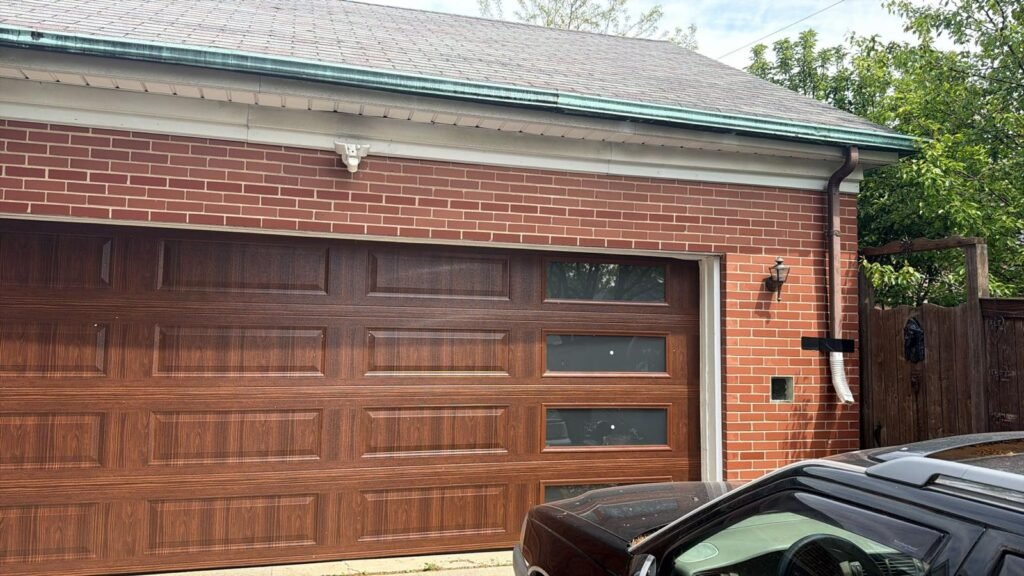
Expert wood garage door repair and refinishing in Chicago and the North Shore. Restore your door’s beauty and function. Call Fairway Garage Door: 847-865-7741.
Commercial Overhead Door Repair on the North Shore
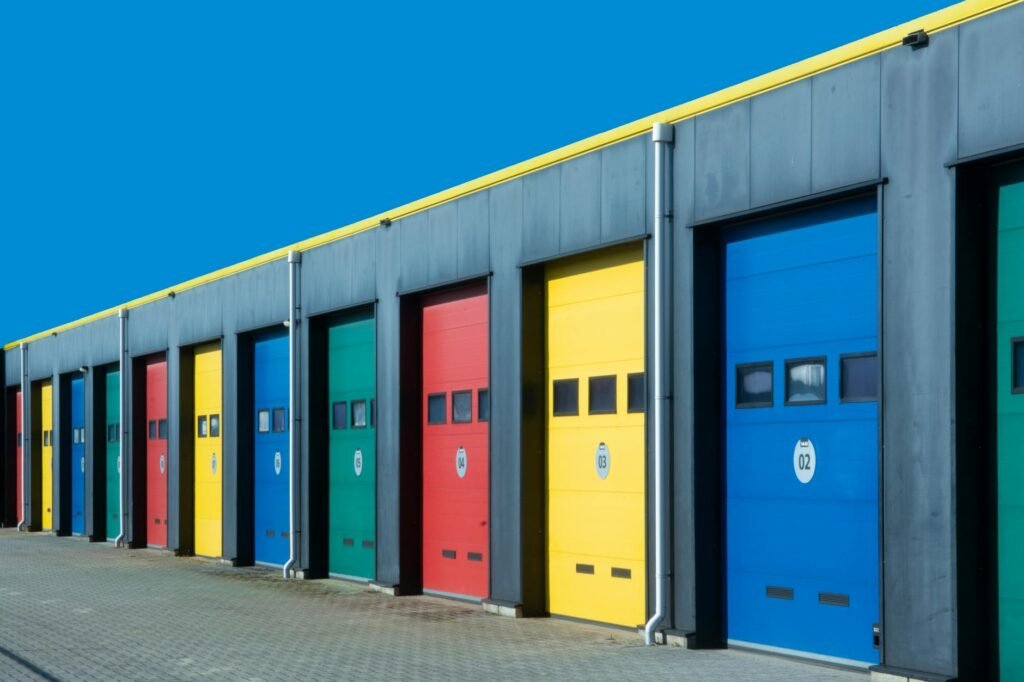
Keep your business running with fast commercial overhead door repair on Chicago’s North Shore. Fairway Garage Door offers same-day service. Call 847-865-7741.