
Garage door sensors use light signals to show whether the safety system is working as it should. These colors help homeowners determine whether the sensors are powered, aligned, or detecting a problem with the beam.
Since every brand uses slightly different indicators, the colors sometimes create confusion. This guide brings everything together so you can understand what the lights usually mean without diving into repairs or adjustments that require technical service.
For you, we’ve covered all sensor light colors in one place. It also includes color variations for Chamberlain, LiftMaster, and Craftsman to avoid the need for separate posts or overlapping content.
What Garage Door Sensor Light Colors Represent
Most garage door sensors come with two small lights. One sends an infrared beam, and the other receives it. When the beam is precise and the sensors are facing each other, the lights show a steady signal. When something interrupts that signal, the colors or blinking patterns change.
Although every manufacturer has its own style, these color patterns usually follow similar logic. A steady light often means the sensor is active. A blinking or unusual color frequently suggests that the beam is blocked or that the sensors are not communicating correctly.
You can also review the UL safety standards for garage door operator systems, which outline how these sensors are designed to support safe operation.
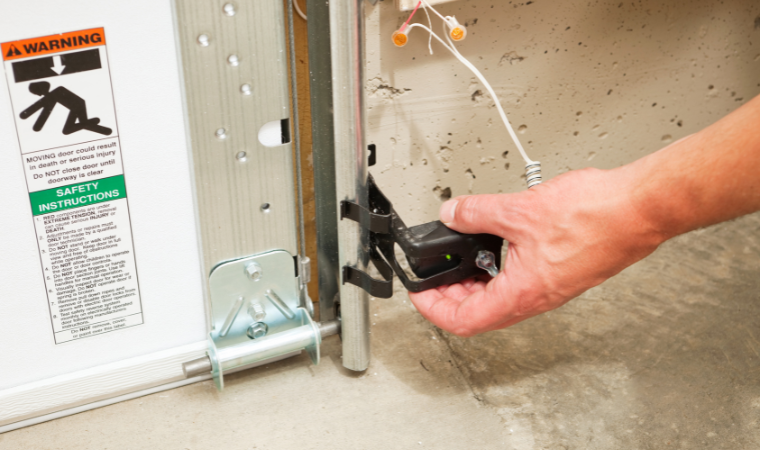
Common Garage Door Sensor Light Colors and What They Usually Indicate
Green Light
A green light is often the power indicator. This means the sensor has electricity and is switched on. If the green light flickers or blinks, it may be reacting to changes in alignment or shadows near the beam.
Red Light
A red light is usually the receiving sensor. When the beam is precise, it stays solid. If the red light flickers, the beam may be blocked, or the sensors may not be facing each other properly.
Amber or Yellow Light
An amber or yellow light often appears on sensors that use a warm colored receiving indicator. This color can also occur when the sensor is powered but not fully aligned. Some brands use yellow to show the sending eye.
Orange Light
Orange is another version of the sending eye indicator. It may also appear if the sensor housing has an older lens that produces a warmer tone. If the orange light stays solid, it usually means the sensor is active. If it flickers, the beam may be losing connection.
Flashing Green Light
A blinking green light can point to alignment changes, movement around the bracket, or inconsistent power. Some models blink green during testing and return to solid green once the beam is stable.
One Green and One Yellow
This combination is common. It usually means one sensor is the sending eye while the other is the receiving eye. If the yellow or amber light blinks, it may not be reading the beam correctly. If both lights are solid, the system is typically functioning as intended.
Why These Light Variations Occur
1. Sensor Misalignment
Even small movements can shift the sensors enough for the beam to lose accuracy. This may happen when children play near the garage door, when items bump the brackets, or when seasonal temperature changes cause slight warping.
2. Dust or Debris on the Lens
Sensors are close to the floor, where dust, leaves, pet hair, and moisture can collect. Any buildup on the lens can weaken the light signal.
3. Sunlight or Shadows
Strong sunlight entering the sensor lens directly can interfere with the beam. Shadows from parked cars, boxes, or yard items can also interrupt the line of sight.
4. Vibration or Loose Mounting
Regular opening and closing of the garage door causes vibration. Over time, the brackets may loosen slightly, affecting sensor alignment.
5. Aging Sensors
Older sensors may become sensitive to small changes. Light colors may flicker or shift even when the door seems to operate normally.
Brand Specific Light Color Behavior
Every brand has its own light color style. Below are common patterns seen in the three leading brands found in many homes. These points are informational and do not include repair steps.
Chamberlain Garage Door Sensor Light Colors
Chamberlain garage door sensor blinking green
A blinking green light often means the sensor is active but not yet reading the opposite sensor clearly.
Chamberlain garage door sensor orange light
An orange sending light is typical. It stays steady when powered.
Chamberlain garage door sensor yellow
A yellow or amber receiving light may appear when the beam is not entirely stable or when the sensor is picking up light interference.
LiftMaster Garage Door Sensor Light Colors
LiftMaster garage door opener sensor is yellow
Some LiftMaster models use yellow to indicate the sending eye. A solid yellow light usually means the sensor is powered.
LiftMaster garage door sensor blinking green light
A blinking green signal may appear during alignment changes or when the beam is interrupted.
Craftsman Garage Door Sensor Light Colors
Craftsman garage door sensor orange light
The orange light is often on the sending side. This color is standard.
Craftsman garage door sensor yellow light
A yellow receiving light may appear when the system is active, but the beam is not yet perfectly aligned.
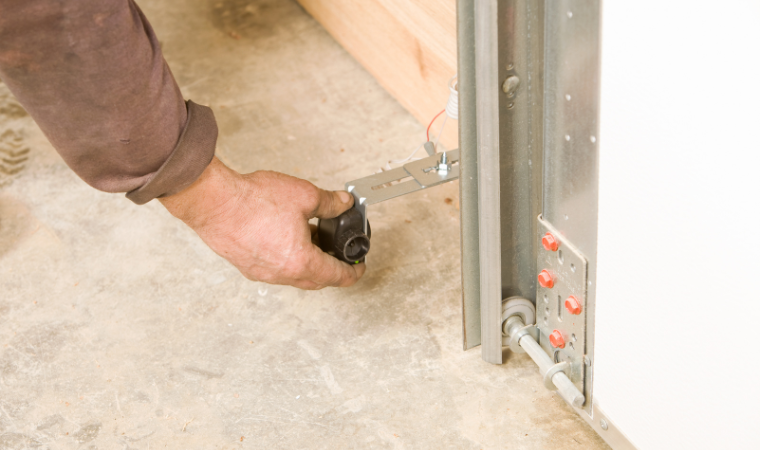
Situations Where Light Colors Change but the Door Still Works
Some color shifts do not immediately affect the door. For example:
• Minor dust on the lens
• Temporary shadows
• Strong sunlight hitting the lens
• Small vibration at the bracket
• Normal blinking during system startup
If the door continues to work as usual, these light changes may be the sensor reacting to environmental conditions.
When Light Colors Suggest Aging Equipment
Sensors that show inconsistent or unpredictable colors, even when the door works, may be older. Over time, the internal components become sensitive. Homeowners often first notice this when the lights change shades or blink without an apparent reason.
This does not always mean failure. It may indicate that the sensors are approaching the end of their lifespan.
Simple Ways to Observe Sensor Behavior Safely
This guide avoids repair instructions, but you can safely observe these points:
• Check for objects near the sensor area
• Look for dust or moisture on the outside of the lens
• See if the brackets appear bumped or tilted
• Notice if sunlight shines directly into the lens at certain times of day
• Observe whether the lights blink only during movement or all the time
These checks do not involve adjustments or tools. They help you understand what the lights are telling you before deciding if professional help is needed.
Frequently Asked Questions
Do garage door sensors need both lights on?
Yes. In most sensors, both the sending and receiving eyes have lights that indicate proper function. If either light goes off, the sensors may not be communicating correctly.
Why does only one sensor change color?
Different brands use different colors. The sending eye and receiving eye often display separate colors to show their roles.
Is a yellow light always a problem?
Not always. On some models, yellow is the normal sending light. In others, yellow may appear when the beam is unstable.
Why do some sensors blink instead of staying solid?
Blinking is often a signal of misalignment or brief interruptions in the beam.
Can sunlight affect the lights?
Yes. Direct sunlight can wash out the beam or interfere with the sensor lens, causing blinking or color shifts.
Final Notes on Garage Door Sensor Colors
Garage door sensor lights are simply status signals that help show how the system is reading the infrared beam. Green, red, yellow, orange, and blinking patterns all have their own meaning, and many of these changes are entirely normal.
Dust on the lens, sunlight, or minor alignment shifts can cause temporary color changes, so a different light pattern is not always a sign of a problem.
It is still helpful to notice when the lights behave in ways that seem unusual or inconsistent. If the patterns continue or the door stops responding, that is usually when a trained technician can look things over. Many homeowners feel more comfortable with expert support for anything involving wiring, alignment, or safety features, since these parts play an essential role in how the door operates.