
A garage door is one of the largest moving parts in a home, yet it often gets overlooked until something goes wrong. From our experience, most garage door issues do not start suddenly. They develop slowly due to wear, lack of lubrication, or small alignment changes that go unnoticed over time. That is why learning how to maintain your garage door properly can help extend its lifespan and reduce unexpected problems.
This guide walks through simple, safe maintenance steps we commonly recommend to homeowners. These steps focus on observation, light care, and early detection rather than repairs that require specialized tools.
How to Maintain Your Garage Door
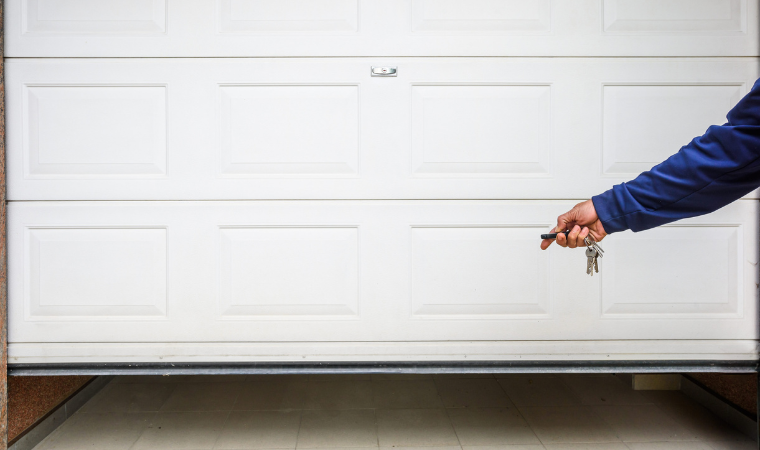
Step 1: Watch and Listen to the Door in Motion
We always suggest starting with observation. Open and close the garage door a few times and pay attention to how it moves.
Look for uneven movement, hesitation, or shaking. Listen for grinding, scraping, or popping sounds. A smooth door should move evenly and quietly. When we check doors that later develop issues, early signs such as noise or uneven travel are often the first clue that something is changing.
If anything feels different from normal, note it before moving on.
Step 2: Inspect the Visible Hardware
Next, take a slow look at the door’s visible components. This includes rollers, hinges, tracks, and mounting brackets. You are not adjusting anything here, just checking.
We often find loose screws, worn rollers, or slightly bent track sections during routine inspections. Look for rust, cracks, or parts that appear misaligned. If the hardware seems damaged or heavily worn, it is helpful to document it later.
Avoid touching cables or springs. These parts are under tension and should only be handled by trained professionals.
Step 3: Keep Tracks Clean and Clear
One of the simplest ways to maintain your garage door is to keep the tracks clear. Dirt, leaves, and small debris can interfere with smooth movement.
Use a dry cloth to wipe inside the tracks. If there is heavy buildup, a damp cloth works well, followed by drying. We do not recommend applying grease to the tracks themselves, as it can attract more debris and cause buildup over time.
Step 4: Lubricate Moving Parts Properly
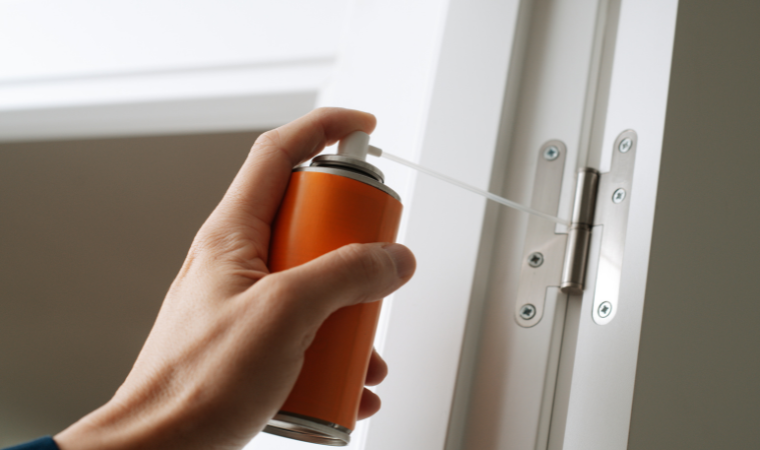
Lubrication plays a big role in garage door longevity. Hinges, rollers with bearings, and springs benefit from proper lubrication.
We suggest using a garage door-specific lubricant rather than general-purpose oils. Apply lightly and wipe away excess. Over-lubrication can cause dripping and dirt buildup.
For general guidance on safe lubricant use and maintenance products, Consumer Reports offers helpful information on household lubrication basics.
Step 5: Check Door Balance Safely
Door balance affects both performance and safety. While we do not recommend adjusting springs, you can still observe balance.
With the opener disengaged, carefully lift the door halfway and let go. A balanced door should stay in place. If it drops quickly or shoots upward, the balance may be off.
When we encounter doors with an opener strain or uneven movement, imbalance is often the root cause. In that case, professional adjustment is usually needed.
Step 6: Test Safety Features
Garage door safety features are critical. Check the auto-reverse feature by placing a small, solid object, such as a block of wood, on the floor beneath the door, then closing the door to see if it reverses on contact. The door should reverse upon contact.
Also, check the safety sensors near the floor. Make sure they are clean, aligned, and unobstructed. We found that dirty or misaligned sensors are among the most common causes of door reversal.
Step 7: Inspect Weather Seals and Panels
Weather seals help keep moisture, debris, and pests out of the garage. Check the bottom seal and side seals for cracking or gaps.
Door panels should also be inspected for dents, warping, or separation. Even minor panel damage can affect weight distribution over time.
Step 8: Maintain the Opener System
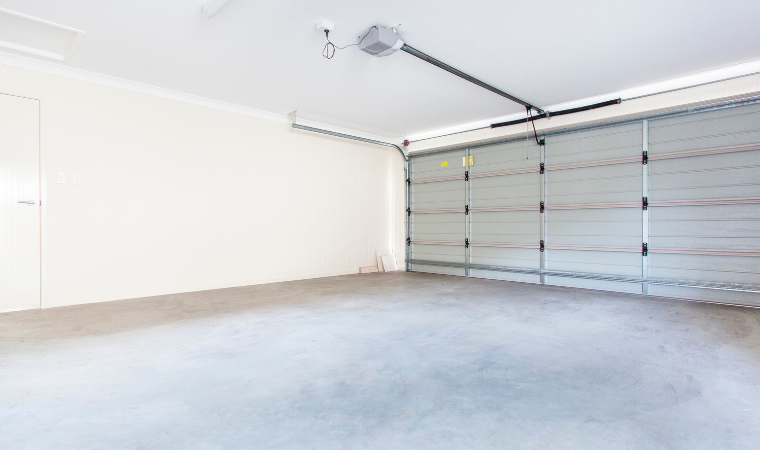
The opener is part of the overall system. Check the mounting bracket, rail, and chain or belt for wear.
We recommend listening for changes in motor noise and ensuring the opener does not strain when lifting the door. If the opener struggles, it often means the door itself needs attention.
When to Involve a Professional
That said, not every maintenance issue should be handled by a homeowner. If you notice cable slack, spring issues, significant imbalance, or repeated operational problems, we recommend contacting a trained garage door professional. These components store energy and require appropriate tools and experience.
From what we have seen, early professional evaluation often prevents larger failures and extends the system’s lifespan.
How Often to Maintain Your Garage Door
We generally suggest light checks every few months and a more thorough inspection at least once a year. Seasonal changes are a good reminder to revisit your garage door maintenance and catch issues early.
Final Thoughts
Knowing how to maintain your garage door is not about fixing everything yourself. It is about understanding what normal operation looks like and recognizing when something changes. Regular observation, basic cleaning, and proper lubrication reduce wear and help the system work as intended.
In our experience, doors that receive consistent care tend to last longer, operate more smoothly, and avoid sudden breakdowns. Paying attention now saves time, cost, and frustration later.