
A wood garage door is one of the most beautiful architectural details a home can have. From the classic carriage-house styles found in Winnetka and Wilmette to the craftsman-inspired designs common in Lincoln Park and Bucktown, wood doors add warmth and curb appeal that no steel or fiberglass door can quite replicate. But wood is also a living material — it swells, shrinks, fades, and weathers. Without the right care, that beautiful door can become a source of frustration and an expensive problem. Here’s what Chicago-area homeowners need to know about keeping wood garage doors in top shape.
Why Wood Garage Doors Require Special Attention in the Chicago Climate
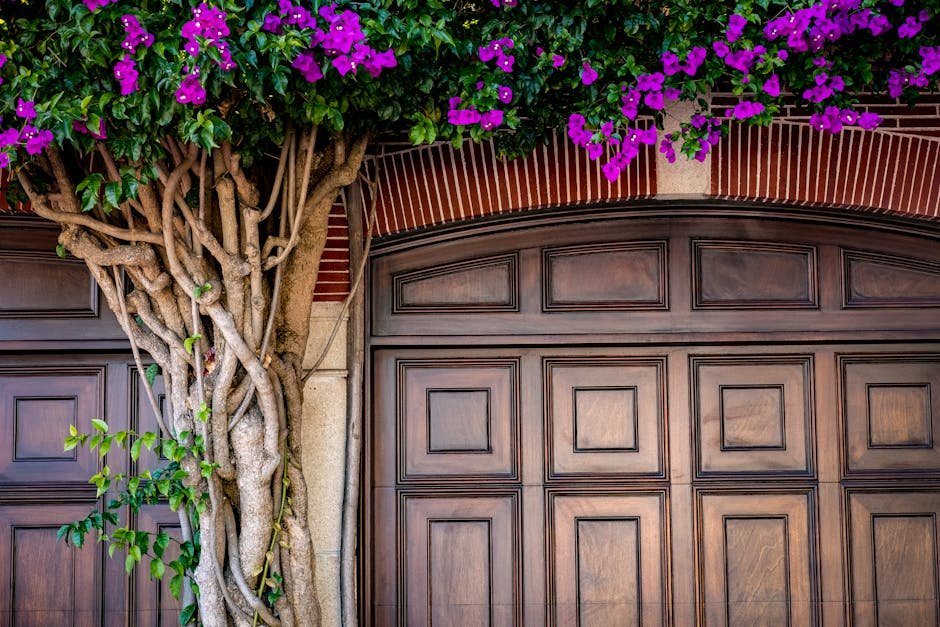
Chicago’s weather is genuinely hard on wood. Freezing winters, humid summers, and dramatic temperature swings throughout spring and fall create conditions that accelerate deterioration. Wood expands when it absorbs moisture and contracts when it dries out. Over time, this constant movement causes cracking, warping, peeling finish, and rot — especially along the bottom panel and at any joints where water can collect.
Homeowners in lakefront communities like Evanston, Glencoe, and Lake Forest deal with an added challenge: salt air and wind off Lake Michigan accelerate finish wear significantly. If you’ve noticed your door’s stain or paint looking chalky, gray, or flaking, that’s not just cosmetic — it means the wood underneath is no longer protected.
The good news is that most wood garage doors, even ones that look pretty rough, can be repaired and refinished rather than replaced. That’s a meaningful cost savings, and it preserves the original character of your home.
Common Wood Garage Door Problems — and What Can Be Done
Cracked or Splitting Panels
Surface cracks are common and usually repairable with wood filler, sanding, and refinishing. Deeper structural cracks — especially ones that run the full length of a panel — may require individual panel replacement. Either way, addressing cracks early prevents water infiltration that leads to rot.
Rot and Soft Spots
Rotted wood feels soft or spongy when pressed. Minor rot can sometimes be treated with epoxy wood consolidant and filler, which stabilizes the damaged area and restores structural integrity. Severe rot typically means that panel needs to be replaced. We see a lot of bottom-panel rot on older doors in neighborhoods like Hyde Park, Lakeview, and Skokie where doors have gone several seasons without refinishing.
Warping and Alignment Issues
A warped panel can prevent the door from sealing properly against the floor or frame, letting in drafts, water, and pests. Some warping can be corrected; severe cases may require panel replacement. Warping is also a sign that the door has been unfinished or poorly finished for too long — moisture got in unevenly and the wood moved.
Peeling or Faded Finish
This is the most common issue and the most preventable. When the finish fails, everything else follows. A proper refinishing job — stripping the old finish, sanding smooth, applying a quality exterior stain or paint, and sealing — can restore the door completely and protect it for years.
What a Professional Wood Garage Door Refinishing Job Looks Like
A quality refinishing job isn’t a quick coat of paint slapped over an old surface. Done right, it involves several steps:
- Inspection: Checking all panels, joints, the bottom seal, and hardware for damage before any finish work begins
- Repair: Filling cracks, treating or replacing rotted areas, and ensuring the door operates smoothly on its tracks
- Stripping and sanding: Removing old finish down to bare wood for proper adhesion
- Priming: Applying an exterior-grade primer, especially on any repaired areas
- Staining or painting: Using a high-quality exterior product formulated for wood in high-exposure conditions
- Sealing: A topcoat sealer adds UV protection and moisture resistance — critical in the Chicago climate
Homeowners in Northbrook, Glenview, and Highland Park who invest in this process every three to five years typically find their wood doors lasting decades. Those who skip it often find themselves facing full door replacement much sooner.
When Repair Makes Sense — and When Replacement Is the Better Call
Most of the time, repair and refinishing is the right answer. Wood garage doors — particularly custom or semi-custom designs — are expensive to replace, and a well-executed restoration can make a door look and perform like new. However, there are situations where replacement is genuinely the better investment:
- More than one panel has extensive structural rot
- The door has been improperly modified or damaged in a collision
- Matching replacement panels for an older custom door is no longer feasible
- The door’s hardware and mechanical components are also at end of life
An honest assessment from an experienced technician — not someone with a financial interest in steering you toward a full replacement — is the best way to know which direction makes sense for your situation.
Talk to Fairway Garage Door About Your Wood Door
At Fairway Garage Door, we’ve worked on wood garage doors across Chicago and the North Shore for years — from vintage carriage doors in Wilmette and Kenilworth to contemporary wood doors in River North and the Gold Coast. We give homeowners a straight answer about what their door actually needs, and we back our work with the kind of craftsmanship that holds up through Chicago winters. We offer same-day service on repairs throughout our service area, so you’re never left waiting when your door isn’t working right. If your wood garage door needs attention — whether it’s a cracked panel, a failing finish, or something more serious — give us a call at 773-692-5801. We’re happy to take a look and tell you exactly what you’re dealing with.