
How to Find a Trustworthy Garage Door Repair Company in Chicago (Without Getting Overcharged)
Find a trusted garage door repair company in Buffalo Grove, IL. Compare costs, spot red flags, and get honest repairs without getting overcharged.
Find a trusted garage door repair company in Buffalo Grove, IL. Compare costs, spot red flags, and get honest repairs without getting overcharged.
See what garage door repair costs in Chicago in 2025. Spring, cable, panel & emergency repairs priced. Get a fair estimate before you hire.
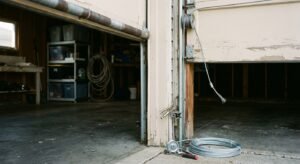
Garage door problems rarely announce themselves clearly. They begin subtly, an uneven movement, a slight tilt, a sound that wasn’t there before. Then, without much
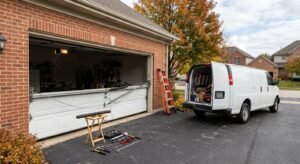
For many homeowners in Skokie, garage door damage doesn’t start as a complete failure. It’s often a dent from a minor impact, a warped panel
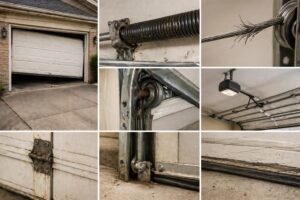
Homes built before 2000 across Chicago carry a certain reliability, solid construction, familiar layouts, and systems that have simply “worked” for years. Garage doors in
For many homeowners in Evanston, issues with their garage door rarely start as emergencies. Instead, they begin with subtle changes, slower movement, unusual noise, or
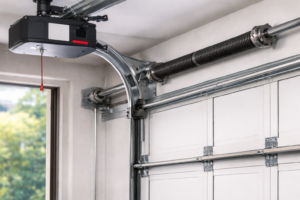
Garage door springs are one of the most overlooked components in a home until they fail. They operate quietly under constant tension, lifting a door
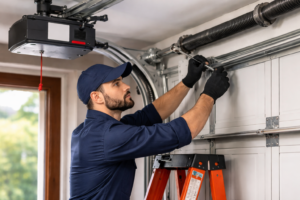
A noisy garage door is easy to ignore, until it isn’t. What starts as a slight squeak or vibration often turns into grinding, jerking movement,
Garage door opener failures rarely happen at a convenient time. In busy areas across Chicago from dense neighborhoods like Lakeview to suburbs such as Morton
Practical guidance from Fairway Garage Door technicians serving Chicago and the North Shore. From spring replacements and opener upgrades to seasonal maintenance, find answers from the team that handles it every day.
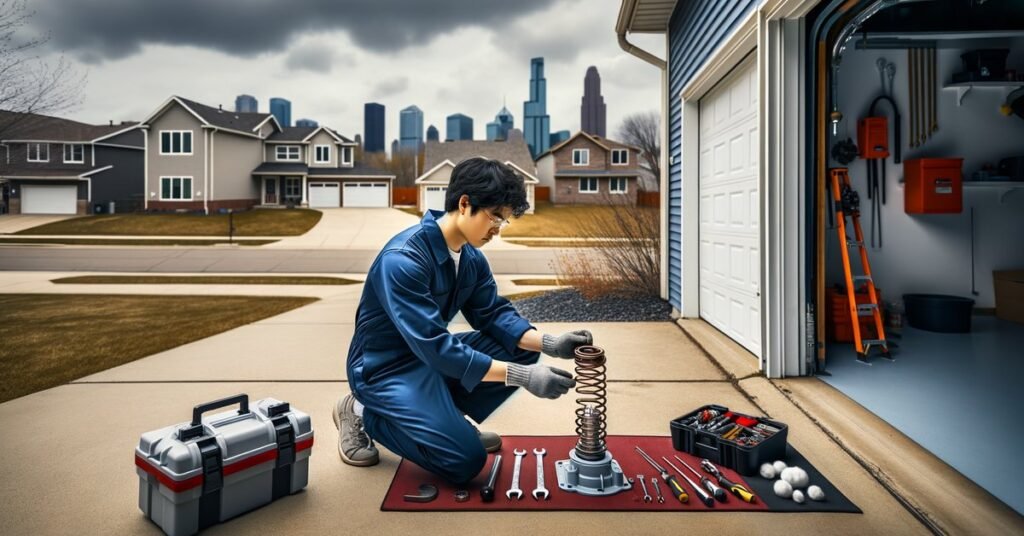
Find a trusted garage door repair company in Buffalo Grove, IL. Compare costs, spot red flags, and get honest repairs without getting overcharged.
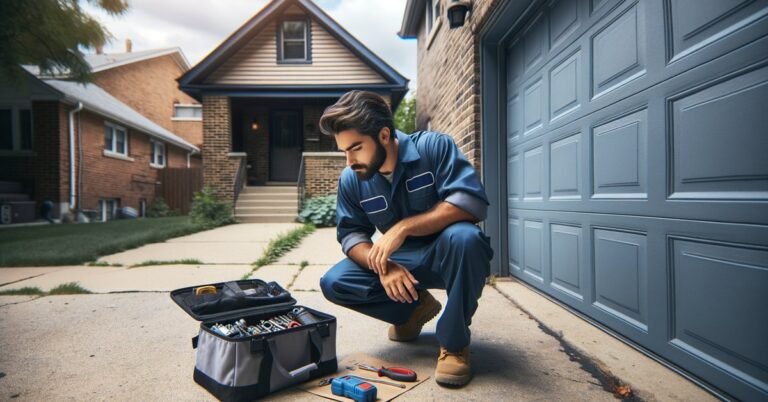
See what garage door repair costs in Chicago in 2025. Spring, cable, panel & emergency repairs priced. Get a fair estimate before you hire.
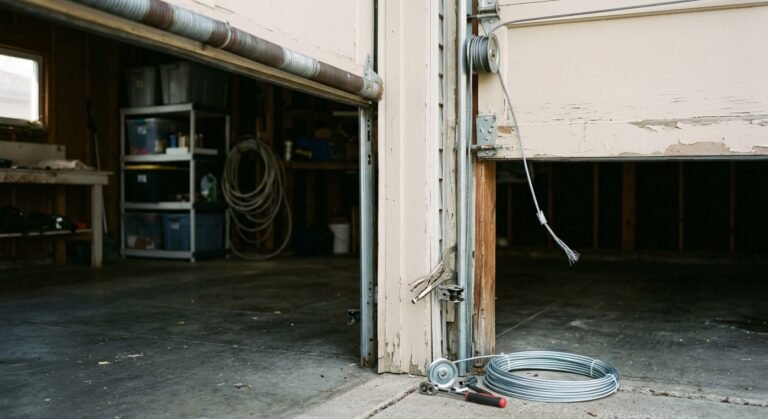
Garage door problems rarely announce themselves clearly. They begin subtly, an uneven movement, a slight tilt, a sound that wasn’t there before. Then, without much warning, something gives. For many homeowners in Cicero, that “something” is often a snapped garage door cable. At that moment, the situation shifts instantly from inconvenience to urgency. The door may hang at an angle, refuse to move, or feel dangerously unstable. And unlike minor issues, a cable failure is not something you can safely ignore or work around. Understanding what a garage door cable does, why it fails, and what your options are is the difference between a controlled repair and a much larger problem. Why Garage Door Cables Matter More Than Most People Think Garage door cables are not just supporting parts—they are essential to how the entire system operates. Every time your garage door opens or closes, cables work alongside the spring system to: Maintain balance across both sides of the door Support the weight during lifting and lowering Ensure smooth, even movement along the tracks When cables are functioning properly, you don’t notice them. When they fail, everything changes immediately. The Moment a Cable Snaps: What Homeowners Experience Most homeowners describe the moment in similar ways. You might hear a sharp noise—sometimes mistaken for a spring breaking. The next time you try to open the door, it moves unevenly or gets stuck halfway. In some cases, one side of the door lifts while the other stays down. What’s happening is simple but serious: the system has lost its balance. Common signs of a snapped cable include: The garage door tilting to one side The door getting stuck during operation Visible loose or hanging cable near the track Increased strain or noise from the opener At this stage, continuing to operate the door can make things worse. Why Cable Failures Happen in Cicero Homes Garage door cables don’t typically fail without reason. In many cases across Chicago suburbs like Cicero, failure is the result of long-term wear combined with environmental factors. Key causes include: Wear and tear over timeCables handle constant tension and friction. After thousands of cycles, the metal begins to weaken. Exposure to moisture and rustChicago’s seasonal changes can accelerate corrosion, especially in garages that aren’t climate-controlled. Improper tension or imbalanceIf springs are worn or misaligned, cables take on uneven load, increasing the chance of failure. Lack of maintenanceSmall signs like fraying or loosening often go unnoticed until the cable snaps completely. The Safety Risk Most Homeowners Underestimate A broken cable is not just a mechanical issue—it’s a safety concern. When a cable fails: The door is no longer evenly supported Weight shifts unpredictably The door can drop or move suddenly This is especially dangerous for households with children or pets. Even attempting to manually adjust the door can lead to injury if the system is unstable. One of the most common mistakes homeowners make is trying to “test” the door after noticing the issue. This often leads to further damage or increased risk. What You Should Do Immediately After a Cable Breaks The first few steps you take after a cable failure matter more than most people realize. Stop using the garage door immediately Do not attempt to force it open or closed Keep distance from the door, especially if it’s tilted Disconnect the opener if possible to prevent accidental activation At this stage, the goal is not to fix the issue yourself, it’s to prevent it from getting worse. Cable Repair vs Replacement: What’s the Right Decision? One of the most common questions homeowners ask is whether the cable can simply be repaired. In reality, garage door cables are rarely repaired, they are replaced. Here’s why: A snapped cable has already lost its structural integrity Temporary fixes don’t restore proper tension or safety Replacing the cable ensures consistent performance However, the real decision is not just about the cable—it’s about the condition of the entire system. When Replacement Is Straightforward The cable failed due to normal wear Other components (springs, rollers, tracks) are in good condition The door remains structurally stable When Additional Repairs Are Needed The failure caused the door to go off track Springs are worn or imbalanced Rollers or tracks show signs of damage In many Cicero homes, cable failure is part of a larger system issue, not an isolated event. How Cable Issues Connect to Bigger Garage Door Problems Garage door systems are interconnected. When one component fails, others are affected. A cable problem can lead to: Garage door off track situations Increased strain on the garage door spring system Uneven roller wear Opener motor stress This is why professional garage door cable repair services in Cicero Chicago focus on more than just replacing the cable—they assess the entire system. Schedule an Appointment Today Real Scenario: What Happens When It’s Ignored A common situation involves homeowners continuing to use the door after noticing uneven movement. At first, the door still works—just not smoothly. Over time: The imbalance worsens The door shifts off track Additional components begin to wear What could have been a simple cable replacement turns into a more involved repair involving multiple parts. Why Professional Repair Matters Garage door cable systems operate under tension. Handling them without proper tools or experience can be dangerous. Professional repair ensures: Correct cable sizing and installation Proper tension alignment with the spring system Safe restoration of balance Inspection of related components This is not just about fixing the visible issue—it’s about restoring the system to safe working condition. Preventing Future Cable Problems While cable failure can’t always be avoided, it can often be predicted. Pay attention to early warning signs: Fraying or visible wear on cables Slight imbalance during operation Unusual sounds when opening or closing Slower or uneven movement Routine maintenance and inspection can catch these issues before they turn into emergencies. Why Homeowners Choose Fairway Garage Door Repair When a cable snaps, the priority is not just speed, it’s accuracy and safety. Fairway
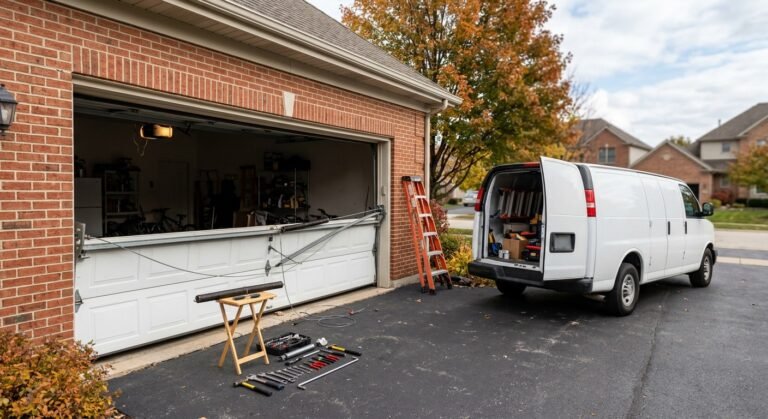
For many homeowners in Skokie, garage door damage doesn’t start as a complete failure. It’s often a dent from a minor impact, a warped panel after years of exposure, or visible wear that slowly affects how the door looks and operates. In these situations, the first question isn’t just how to fix the problem, it’s whether the entire door needs to be replaced. In reality, Garage Door Panel Replacement in Skokie is often the most practical and cost-effective solution when the damage is localized. Understanding when panel replacement is the right choice and when it’s not, can save both time and unnecessary expense. What Garage Door Panel Damage Really Means A garage door is made up of multiple sections that work together as a single system. When one panel is damaged, the door may still function, but the structural balance and visual appearance are affected. Common causes of panel damage include: Minor vehicle impact (one of the most frequent causes in residential areas) Weather exposure leading to warping or cracking Aging materials losing strength over time Accidental pressure or external force In many Skokie homes, panel damage is initially treated as cosmetic. However, over time, even a single damaged panel can influence how the entire system performs. When Garage Door Panel Replacement Is the Right Solution Not every damaged door needs full replacement. In fact, in many cases, garage door panel replacement in Skokie Chicago provides a targeted fix that restores both appearance and function. Panel replacement is typically the best option when: Damage is limited to one or two sections The rest of the door structure is still in good condition The door opens and closes without major mechanical issues Matching panels are available or can be sourced This approach allows homeowners to avoid the cost of full installation while still addressing the problem effectively. When Panel Damage Starts Affecting Performance While some panel damage appears cosmetic, it can create deeper issues over time. A bent or misaligned panel can: Disrupt the door’s balance Increase strain on the garage door spring system Cause uneven movement along the track Lead to additional wear on rollers and cables In more advanced cases, this can result in the need for garage door off track repair Chicago or even garage door cable repair Chicago if the system becomes unstable. This is why panel issues should not be ignored—even if the door is still functioning. Cost Comparison: Panel Replacement vs Full Garage Door Replacement One of the biggest concerns homeowners have is cost. The decision between replacing a panel or installing a new door depends on several factors. Panel Replacement Makes Sense When: Only one section is damaged The door is relatively modern Structural components (springs, tracks, opener) are still in good condition Full Replacement Is Better When: Multiple panels are damaged The door is outdated or lacks insulation Matching panels are no longer available There are recurring mechanical issues In Skokie homes, especially those built before 2000, it’s not uncommon to combine panel replacement with minor mechanical repairs for better long-term results. Matching Panels: The Practical Challenge One of the most overlooked aspects of garage door panel replacement in Skokie is matching the new panel with the existing door. Factors that affect matching include: Original manufacturer and model Color fading over time Design or texture differences Material variations (steel, wood, composite) In some cases, even if a replacement panel is available, it may not perfectly match the rest of the door. This is where professional assessment becomes important—helping homeowners decide whether visual consistency or cost savings is the priority. Structural Integrity: Why Panel Replacement Isn’t Just Cosmetic A garage door panel is not just an outer layer, it contributes to the structural strength of the entire system. A damaged panel can: Weaken the door’s ability to distribute weight evenly Increase stress on hinges and connection points Affect how the door seals when closed This is particularly important in Chicago’s climate, where insulation and proper sealing play a role in energy efficiency. Replacing a panel restores not just appearance, but also structural balance. How Panel Replacement Connects to Other Garage Door Issues Garage door systems are interconnected. A panel issue rarely exists in isolation. For example: A misaligned panel can lead to track alignment issues Increased resistance can strain the opener Uneven weight distribution can affect springs and cables This is why professional garage door repair in Skokie Chicago often includes a full system inspection—not just the visible damage. Real Scenario: Minor Damage That Led to Bigger Repairs A common situation in Skokie involves a homeowner ignoring a dented panel after a minor car impact. The door continued to function, but over time: The panel affected alignment Rollers began wearing unevenly The door started making noise Eventually, the issue required not just panel replacement, but additional repairs to restore proper function. This highlights the importance of addressing panel damage early. The Role of Professional Assessment Deciding between repair and replacement isn’t always straightforward. It requires understanding both the visible damage and the condition of the entire system. A proper evaluation considers: Extent of panel damage Age and condition of the door Availability of matching parts Impact on system performance This ensures the solution is based on long-term value—not just immediate cost. Why Homeowners Choose Fairway Garage Door Repair Panel replacement requires precision—not just in installation, but in ensuring the entire system remains balanced. Fairway Garage Door Repair provides: Expert garage door panel replacement in Skokie Chicago Accurate matching and installation of panels Full system inspection to prevent future issues Repair solutions that address both appearance and performance Whether the damage is cosmetic or structural, Fairway Garage Door Repair ensures the solution fits the condition of the door, not just the symptom. Final Perspective Garage door damage doesn’t always require a complete replacement. In many cases, Garage Door Panel Replacement in Skokie offers a practical solution that restores both function and appearance without unnecessary expense. The key is understanding the impact of the damage—not
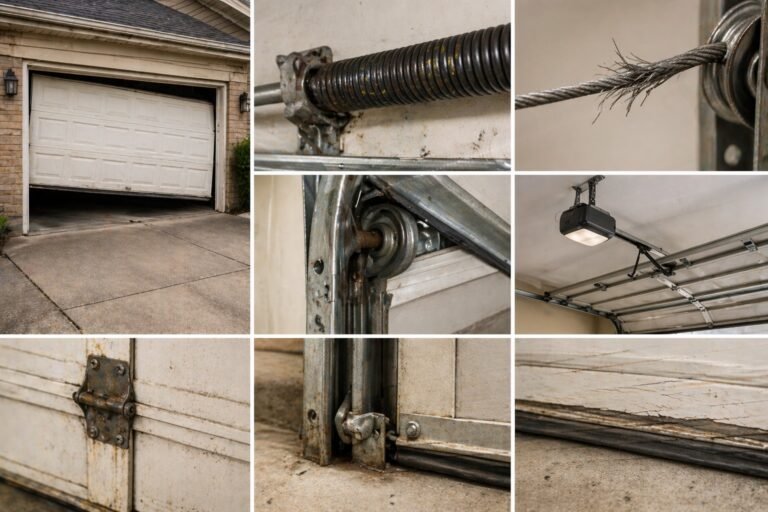
Homes built before 2000 across Chicago carry a certain reliability, solid construction, familiar layouts, and systems that have simply “worked” for years. Garage doors in these properties often fall into the same category. They keep operating long after newer systems would have been replaced. But longevity doesn’t mean immunity. In fact, garage door problems in older Chicago homes tend to show up in more subtle, interconnected ways. What looks like a small inconvenience, extra noise, slower movement, uneven closing is usually the result of aging components working harder than they should. Understanding these patterns is what helps homeowners decide when to repair, when to upgrade, and how to avoid repeated issues. Why Pre-2000 Garage Door Systems Behave Differently Garage doors installed before 2000 were built with different expectations. Many systems were designed for lower daily usage, simpler opener technology, and less emphasis on insulation or noise control. Over time, several factors change how these systems perform: Metal fatigue in springs and cables after thousands of cycles Outdated opener systems not designed for modern usage frequency Wear in tracks and rollers due to long-term friction Lack of upgrades or periodic recalibration This is why residential garage door repair in Chicago older homes often involves multiple components—not just one isolated issue. 1. Gradual Loss of Balance (Often Misdiagnosed as Opener Failure) One of the most common issues in older homes is a door that no longer feels balanced. Homeowners often notice it indirectly: The opener sounds louder or strained The door hesitates before moving Manual lifting feels heavier than before This is typically not an opener problem—it’s a garage door spring issue in Chicago homes. Springs lose tension over time. As they weaken, the opener compensates, which creates a chain reaction: Increased motor strain Slower operation Premature wear on internal gears What actually fixes it:A proper spring replacement and system rebalancing—not just adjusting the opener. 2. Intermittent Cable Problems That Lead to Bigger Failures Cables in older systems rarely fail all at once. Instead, they degrade gradually. In many Chicago homes built before 2000, cables begin to: Fray at connection points Lose tension on one side Cause slight tilting during operation This often goes unnoticed until the door becomes unstable or ends up needing garage door cable repair Chicago services. Once a cable fails completely, it can: Pull the door off alignment Cause uneven load distribution Lead to a full garage door off track repair Chicago situation What actually fixes it:Early cable replacement combined with inspection of pulleys and drums—not waiting for complete failure. 3. Track Wear and Alignment Issues Older tracks don’t always stay perfectly aligned over decades of use. Even minor shifts can create noticeable problems. Homeowners may experience: The door rubbing against the track Jerky or uneven movement Increased noise during operation In many cases, this leads to searches for garage door track repair in Chicago, but the root cause is often cumulative wear rather than a single event. Track misalignment also accelerates: Roller wear Cable stress Opener strain What actually fixes it:Track realignment, hardware reinforcement, and roller replacement where needed—not just tightening visible bolts. 4. Outdated Garage Door Openers Struggling With Modern Usage Garage door openers installed before 2000 were not designed for today’s usage patterns or technology expectations. Common complaints include: Delayed response from remote Inconsistent opening or closing Loud operation compared to modern systems Many homeowners assume they need garage door opener repair Chicago, but the issue is often deeper. Older openers lack: Modern safety sensors Efficient motor systems Compatibility with smart controls They also struggle when paired with aging mechanical systems. What actually fixes it:In many cases, upgrading to a newer opener is more practical than repeated repairs—especially when combined with system recalibration. 5. Noise That Indicates System Stress (Not Just Wear) Noise is one of the most common complaints in older homes—but also the most misunderstood. Typical sounds include: Grinding Squeaking Rattling While lubrication can reduce noise temporarily, persistent sound usually means: Increased friction from worn rollers Misalignment in tracks Imbalance in spring tension This is why noisy garage door fix Chicago searches often lead to deeper mechanical repairs. What actually fixes it:A full system tune-up that addresses friction, alignment, and balance—not just surface-level lubrication. 6. Insulation and Energy Efficiency Issues Garage doors installed before 2000 were often not insulated or poorly sealed. In Chicago’s climate, this leads to: Heat loss during winter Increased energy bills Temperature fluctuations affecting nearby rooms While not a mechanical failure, this becomes a practical issue for homeowners. What actually fixes it:Upgrading panels or replacing the door with an insulated system—especially for attached garages. 7. Repeated Minor Repairs Instead of One Proper Solution A pattern seen frequently in older homes is repeated small fixes instead of addressing the system as a whole. For example: Replacing a roller without checking alignment Fixing a cable without addressing spring imbalance Adjusting the opener without correcting mechanical resistance This leads to recurring service calls and higher long-term costs. What actually fixes it:A complete diagnostic approach that identifies how components interact—not just what’s visibly broken. When Repair Is Still the Right Choice Not every older system needs replacement. Many garage doors in Chicago homes built before 2000 can continue performing well with the right repairs. Repair makes sense when: The structure of the door is still solid Issues are limited to specific components The system can be rebalanced effectively When Replacement Becomes the Better Option Replacement becomes more practical when: Multiple components are failing at once The opener is outdated and inefficient The door lacks insulation or modern safety features In these cases, continued repair often costs more over time than upgrading. Check Out: Repair vs Replace Garage Door Springs – What’s Better in Chicago? Why Homeowners Choose Fairway Garage Door Repair Older garage door systems require a different level of attention—not just technical skill, but an understanding of how aging components interact. Fairway Garage Door Repair focuses on: Identifying root causes in older systems Providing solutions that reduce repeat issues Handling spring,
For many homeowners in Evanston, issues with their garage door rarely start as emergencies. Instead, they begin with subtle changes, slower movement, unusual noise, or inconsistent response. These early signs often point to underlying mechanical problems that require Residential Garage Door Repair in Evanston before they escalate. In many cases, what appears to be a minor inconvenience is actually linked to worn springs, loose cables, a garage door off track, or an opener struggling under increased load. Across Chicago, homeowners often don’t realize that these small changes are interconnected. A failing spring affects balance, a loose cable impacts alignment, and a track issue can strain the entire system. Addressing these problems early is what separates a simple repair from a costly system failure. Understanding the Root Cause Behind Common Garage Door Issues Residential garage doors are not single-component systems. They rely on coordinated movement between springs, cables, rollers, tracks, and the opener. When one part begins to fail, the rest of the system compensates—often silently at first. For example, a worn garage door spring reduces lifting support. The opener then compensates, leading to premature motor wear. Similarly, a frayed garage door cable may not break immediately, but it can cause uneven tension that eventually leads to a garage door off track situation. This chain reaction is why professional repair focuses on system balance rather than isolated fixes. When a Garage Door Goes Off Track A garage door coming off track is one of the more visible—and urgent—problems homeowners face. It typically doesn’t happen randomly. It’s often caused by: Misaligned tracks due to loose brackets Broken or worn rollers Sudden cable failure Impact damage (vehicle contact is more common than expected) Once the door is off track, forcing it to operate can bend the tracks further or damage the panels. At this stage, immediate repair is necessary to restore safe operation. Spring Problems: The Hidden Cause of Many Failures Garage door springs are responsible for counterbalancing the door’s weight. When they weaken or break, the entire system is affected. Homeowners may notice: The door feels heavier than usual The opener struggles or stops mid-cycle The door opens unevenly In Evanston homes, especially older properties, spring wear is one of the most common reasons for service calls. Replacing worn springs not only restores balance but also protects the opener from unnecessary strain. Must Read: Residential Garage Door Repair Issues: Common Problems Every Homeowner Should Know Cable Issues That Lead to Bigger Problems Cables are often overlooked because they don’t draw attention until they fail. However, they play a critical role in maintaining alignment and stability. A damaged or loose cable can: Cause the door to tilt during operation Lead to uneven wear on rollers and tracks Increase the risk of the door coming off track Unlike visible components, cable damage can go unnoticed until it creates a more serious issue. That’s why inspections are important even when the door appears functional. Opener Strain Is Often a Symptom, Not the Problem Many homeowners assume the opener is the issue when the door stops working properly. In reality, the opener is often reacting to mechanical resistance elsewhere in the system. Common causes of opener strain include: Imbalanced springs Track misalignment Increased friction from worn components Replacing the opener without addressing these underlying issues only delays the problem. Why Early Repair Matters More Than Most People Think Residential garage door problems rarely stay small. What begins as a slight delay or noise often progresses into a system-wide issue. Delaying repair can lead to: Multiple component failures instead of a single fix Higher repair costs due to compounded damage Increased safety risks In contrast, early intervention keeps repairs straightforward and prevents unnecessary complications. Why Homeowners Trust Fairway Garage Door Repair Effective garage door repair is not about replacing parts—it’s about restoring system balance. Fairway Garage Door Repair provides: Accurate diagnosis of spring, cable, and track issues Reliable solutions for garage doors off track Complete system adjustments—not just quick fixes Professional service across Evanston and Chicago Whether the issue involves a worn spring, a loose cable, or a door off track, Fairway Garage Door Repair ensures the system operates safely and smoothly. Contact Fairway Garage Door Repair Now FAQs – Residential Garage Door Repair in Evanston Why is my garage door opening unevenly on one side in Evanston homes? This is usually caused by a loose or damaged garage door cable or uneven spring tension. In many Evanston properties, especially older homes, cables wear out faster due to daily use and weather exposure. If ignored, this imbalance can lead to the garage door going off track. What should I do if my garage door suddenly goes off track? Stop using the door immediately. A garage door off track is not just a functional issue—it’s a safety risk. Forcing it to move can bend the track or damage the panels. This problem is often linked to broken rollers, cable failure, or track misalignment and requires professional repair. Why does my garage door opener run but the door barely moves? This is a common issue in residential garage door repair in Evanston and is usually caused by a broken or weak garage door spring. The opener is designed to guide the door—not lift its full weight—so when the spring fails, the motor runs but cannot lift the door. Why is my garage door making noise and moving slower than before? It’s not recommended. A weak spring forces the opener to compensate, which can lead to motor damage and uneven wear on cables and tracks. In many Evanston homes, this is how a simple repair turns into a more expensive system issue.
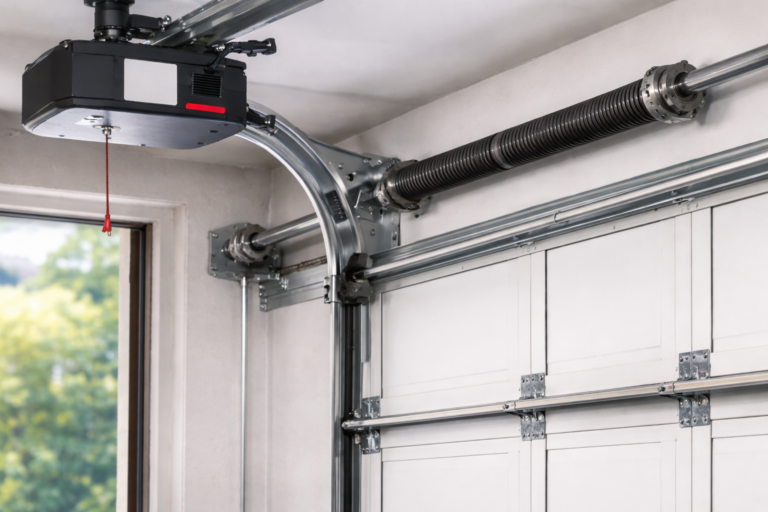
Garage door springs are one of the most overlooked components in a home until they fail. They operate quietly under constant tension, lifting a door that can weigh hundreds of pounds multiple times a day. For homeowners in North Chicago and across Chicago, failure rarely comes with warning. It’s usually sudden, loud, and disruptive. In many real situations, the first indication is a sharp snapping sound followed by a door that won’t open, feels unusually heavy, or stops mid-cycle. At that point, the issue is no longer about convenience, it becomes a matter of safety and immediate repair. What Actually Happens When a Spring Breaks When a garage door spring fails, the system loses its balance. The opener is no longer assisting a counterweighted door—it’s trying to lift the full load on its own. This leads to: A door that won’t open or closes unevenly An opener that runs but doesn’t lift the door Sudden heaviness when attempting manual operation Increased strain on cables and tracks In North Chicago homes, this is often misdiagnosed as an opener issue, when in reality the root cause is mechanical imbalance. Why Spring Failures Feel Sudden (But Aren’t) Spring systems don’t typically fail without reason, they fail without visible signs. Internally, the metal weakens over time through repeated cycles of tension and release. Several factors accelerate this process: Daily usage patterns (multiple open/close cycles) Temperature fluctuations common in Chicago climates Material fatigue from aging components Lack of periodic inspection or adjustment Cold weather, in particular, plays a role. Metal contracts, tension increases, and a spring that was already near its limit can break without warning. The Warning Signs Most Homeowners Miss In hindsight, many homeowners recall subtle changes before failure—but they didn’t recognize their significance at the time. The door starts to feel slightly heavier Movement becomes less smooth or slightly uneven The opener sounds like it’s working harder The door hesitates briefly during operation These are not random issues—they’re early indicators of tension imbalance. Addressing them early often prevents emergency breakdowns. One Spring or Both? The Practical Decision A common question during service calls is whether to replace just the broken spring or both. Technically, replacing one is possible, but practically, it often leads to repeat issues. Both springs typically experience the same level of wear. When one fails, the other is usually not far behind. Replacing both ensures: Balanced operation across the system Reduced strain on the opener Fewer repeat service calls This is not about increasing cost—it’s about avoiding a second failure shortly after the first repair. Contact Now Why Delaying Repair Creates Bigger Problems Once a spring fails, the system is no longer operating as designed. Continuing to use the opener in that condition can cause secondary damage. In real cases across North Chicago and surrounding areas, delayed repairs have led to: Burned-out opener motors Bent tracks from uneven movement Increased wear on cables and rollers What begins as a spring replacement can quickly escalate into a more expensive multi-component repair. Safety Is Not Optional in Spring Replacement Garage door springs store a significant amount of energy. Releasing or adjusting that tension without proper tools and experience can be dangerous. The risks include: Sudden recoil causing injury Incorrect tension leading to imbalance Improper installation affecting long-term performance This is why spring replacement is one of the few home repairs where professional handling is strongly advised—not just recommended. What a Proper Replacement Should Include A professional spring replacement is not just a part swap—it’s a system recalibration. It involves: Installing springs matched to the door’s weight and size Adjusting tension to restore balance Inspecting cables, rollers, and tracks for related wear Testing the opener under correct load conditions When done correctly, the door should move smoothly, evenly, and with minimal strain on the opener. Real Scenario: When a Simple Repair Turns Complex A common situation in North Chicago involves homeowners continuing to operate the door after a partial spring failure. The opener compensates temporarily, but over time, the added strain leads to motor damage. Instead of a straightforward spring replacement, the repair expands to include opener repair or replacement—significantly increasing cost and downtime. This is why early action matters. Why Homeowners Choose Fairway Garage Door Repair Spring replacement is not just about restoring function—it’s about restoring balance and reliability. Fairway Garage Door Repair provides: Same-day garage door spring replacement in North Chicago and surrounding Chicago areas High-cycle springs designed for extended lifespan Precise tension adjustment for smooth operation Full system inspection during every service Reliable solutions focused on long-term performance Whether the issue occurs unexpectedly or develops over time, Fairway Garage Door Repair ensures the repair is done correctly the first time. FAQs – Garage Door Spring Replacement North Chicago How do I know if my garage door spring is broken or just weak? In most real cases, a broken spring is obvious—you’ll hear a loud snap and the door won’t lift. A weak spring is harder to detect; the door may still open but feels heavier, moves unevenly, or puts extra strain on the opener. Homeowners in North Chicago often notice performance changes before complete failure. Why is my garage door opener running but the door isn’t moving? This is one of the most common situations. When the spring breaks, the opener is no longer lifting a balanced door—it’s trying to lift full weight, which it can’t. The motor runs, but the door stays in place. This is a clear sign you need spring replacement, not opener repair. Can I still use my garage door if only one spring is broken? Technically, the door may move—but it’s not safe. The system becomes unbalanced, which can damage the opener, cables, and tracks. In real service cases across Chicago, continued use after one spring fails often leads to more expensive repairs. How urgent is garage door spring replacement? Can it wait a few days? It’s best treated as an urgent repair. A broken spring leaves your garage either stuck open or
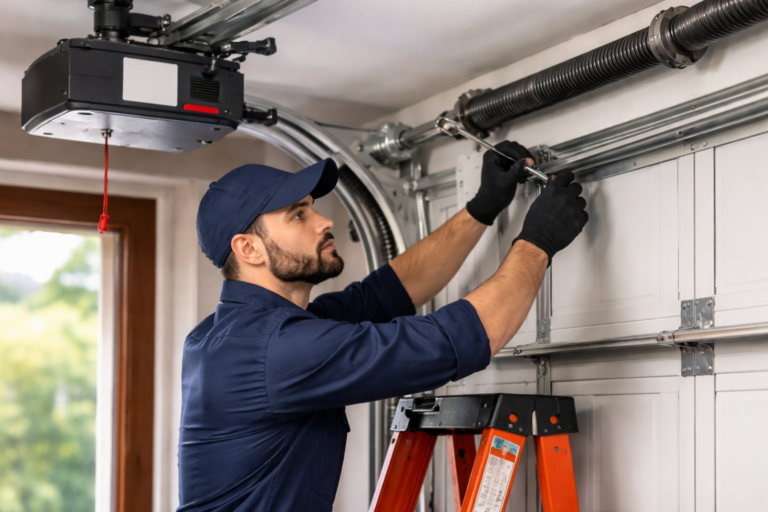
A noisy garage door is easy to ignore, until it isn’t. What starts as a slight squeak or vibration often turns into grinding, jerking movement, or sudden failure. For homeowners in Elmhurst and across Chicago, unusual garage door noise is not just an annoyance, it’s an early warning sign of deeper mechanical issues. Many service calls for garage door repair in Elmhurst begin with a simple complaint: “It’s getting louder.” What follows is often worn components, lack of lubrication, or alignment problems that, if ignored, lead to expensive repairs. A proper garage door tune-up in Chicago focuses on identifying these issues early and restoring smooth, quiet operation. Why Garage Doors Become Noisy Over Time Garage doors operate through a system of moving parts under constant tension. Over months and years of daily use, friction builds, components loosen, and materials wear down. The most common reasons your garage door becomes noisy include: Metal-on-metal friction due to lack of lubrication Worn-out rollers struggling to move along the track Loose hardware creating vibration and rattling Aging springs losing tension balance Misaligned tracks forcing uneven movement Homeowners searching for garage door repair in Glenview or garage door service in Berwyn often experience the same pattern—noise first, failure later. When a “Minor” Noise Isn’t Minor Not all sounds carry the same urgency, but the pattern and progression matter more than the volume. A soft, consistent squeak during movement typically points to friction. This is often caused by a lack of lubrication in hinges or rollers. Left untreated, that friction increases resistance, which in turn places additional load on the opener and other moving parts. Grinding sounds are different. They usually indicate internal wear—either in the opener’s gear system or along the track where rollers are no longer moving cleanly. At this stage, the system is no longer operating efficiently, and continued use can accelerate damage. Then there’s vibration. If the garage door shakes or produces a rattling sound, the issue is often structural. Loose hardware or weakened mounting points allow movement where there should be stability. Over time, this affects alignment and increases wear across the system. The most concerning category is sudden impact noise—sharp bangs or jerks. These often relate to spring imbalance or failure. At that point, the door is no longer safely supported. Why Chicago Homes Experience More Noise Issues Garage doors in Chicago are exposed to conditions that naturally accelerate wear. Temperature swings, humidity, and seasonal changes affect both metal components and lubrication consistency. Cold weather thickens lubricants and contracts metal, increasing resistance. Warmer months expand materials, sometimes affecting alignment. Over time, this cycle contributes to loosened hardware and uneven movement. In areas like Elmhurst, where many homes have attached garages, the impact of noise is even more noticeable. It’s not just a mechanical concern—it affects daily comfort inside the home. Problem 1: Squeaking or Screeching Sounds This is usually the earliest and most ignored sign. What It Indicates Dry hinges or rollers Lack of proper lubrication Increased friction between moving parts Why It Matters Friction accelerates wear on components Small issues quickly become larger mechanical failures Effective Solution Apply high-quality garage door lubricant (not general-purpose oil) Focus on hinges, rollers, and springs Schedule a professional tune-up if noise persists A properly lubricated system not only reduces noise but extends the life of your garage door. Problem 2: Grinding Noise During Operation Grinding sounds are more serious and usually signal internal damage. Likely Causes Worn-out opener gears Damaged rollers Debris buildup in tracks What’s Happening Mechanically Components are no longer moving smoothly Increased resistance is forcing the system to work harder Recommended Fix Inspect and clean tracks Replace worn rollers or gears Evaluate opener condition for repair or replacement Homeowners in nearby areas like Addison and Lombard often encounter this issue in older systems where maintenance has been inconsistent. Problem 3: Rattling or Vibrating Garage Door If your garage door shakes or creates rattling sounds, the issue is usually structural rather than mechanical. Common Reasons Loose bolts and screws Unstable track mounting Worn brackets or hinges Why You Shouldn’t Ignore It Continuous vibration weakens the entire system Can lead to track misalignment or component failure Practical Solution Tighten all visible hardware Reinforce brackets and track supports Conduct a full system inspection A professional tune-up ensures everything is properly secured and aligned. Must read: Garage Door Panel Replacement in Chicago – Fast Repair for Damaged or Dented Garage Doors Problem 4: Banging or Jerking Movement This is one of the most concerning signs and often indicates imbalance. Root Causes Failing or broken springs Uneven tension across the system Sudden release of stored energy Risks Involved Sudden door drops Increased strain on opener Safety hazards for people nearby Corrective Action Immediate professional inspection Spring adjustment or replacement System rebalancing If you’re hearing loud bangs, it’s time to stop using the door and call for garage door repair in Elmhurst immediately. Problem 5: Noisy Garage Door Opener Sometimes the noise isn’t from the door—but from the opener itself. What You Might Notice Loud humming or buzzing Delayed response when activating Excessive vibration from the motor unit Possible Causes Aging motor Loose mounting hardware Chain-drive systems wearing out Solutions Tighten opener mounting brackets Replace worn internal components Upgrade to a quieter belt-drive opener Many homeowners across Chicago suburbs are switching to quieter systems for improved comfort—especially in attached garages. Why a Professional Tune-Up Makes a Difference A proper tune-up is not just about lubrication—it’s a complete system check designed to prevent future problems. A professional garage door tune-up in Chicago typically includes: Full inspection of all moving parts Lubrication of critical components Tightening of hardware and fasteners Alignment of tracks and sensors Testing of balance and opener performance This proactive approach ensures your system operates quietly, efficiently, and safely. Preventative Maintenance Tips for Quiet Operation Keeping your garage door quiet doesn’t require constant effort—but it does require consistency. Lubricate moving parts every few months Visually inspect hardware for looseness Keep tracks clean and free
Garage door opener failures rarely happen at a convenient time. In busy areas across Chicago from dense neighborhoods like Lakeview to suburbs such as Morton Grove, homeowners rely heavily on smooth, uninterrupted access to their garages. When that system breaks down, the need for Garage Door Opener Repair in Schaumburg becomes immediate, especially for those commuting daily or managing tight schedules. Whether it’s a motor that suddenly stops, a remote that refuses to respond, or a smart system that disconnects without warning, these issues demand quick diagnosis and reliable solutions. Professional garage door opener repair in Chicago ensures that the problem is not only fixed, but prevented from happening again. The Real Problem: Why Garage Door Openers Suddenly Fail Garage door openers are used multiple times a day, often without a second thought. Over time, small inefficiencies build up—until the system can no longer function properly. Most breakdowns are caused by: Internal motor wear due to repeated cycles Electrical issues, including wiring faults or power surges Sensor misalignment disrupting normal operation Aging components losing efficiency Lack of maintenance increasing internal stress Homeowners searching for garage door repair in Morton Grove or garage door repair in Lakeview Chicago often discover that what seemed like a minor delay or noise was actually an early warning sign. Problem 1: Garage Door Opener Motor Stops Working A failing motor is one of the most common and urgent issues. What You’ll Notice The opener makes noise, but the door doesn’t move The door starts but stops midway A humming or grinding sound from the unit Occasional overheating or burning smell What’s Happening Internally Worn gears struggling to transfer motion Motor capacitor failure Excess strain from an unbalanced door System reaching the end of its lifespan Practical Solutions Reset the system and check power supply Inspect for visible wear inside the motor unit Replace internal gear components if repairable Upgrade to a modern opener if the system is outdated In many Chicago homes, especially older properties, replacing the opener is often more cost-effective than repeated repairs. Must Read: Why Your Garage Door Is Closing Crooked, or One Side Is Higher [Fixes Included] Problem 2: Remote or Wall Switch Not Responding This issue feels random but is usually very specific and fixable. Common Causes Weak or dead batteries Signal interference from nearby electronics Remote losing sync with the opener Faulty wiring in the wall switch Immediate Fixes Replace batteries and test range Reprogram the remote Check for interference from Wi-Fi devices or LED lights Test wall switch separately When to Call a Professional Remote works inconsistently Wall unit completely unresponsive Opener receives signal but doesn’t activate Homeowners across Chicago suburbs often misdiagnose this issue, leading to unnecessary replacements instead of simple fixes. Problem 3: Garage Door Opens But Won’t Close This is one of the most reported issues in garage door opener repair in Chicago—and it’s often linked to safety systems. Root Causes Misaligned safety sensors Blocked or dirty sensor lenses Wiring issues between sensors and opener System detecting a false obstruction What You Can Check First Clean sensor lenses carefully Ensure both sensors face each other Remove any nearby objects Professional Solutions Sensor recalibration Wiring repair or replacement Full system safety reset In areas like Lakeview, where garages are often tight on space, sensor misalignment is especially common. Problem 4: Noisy or Slow Operation Noise is not just an annoyance—it’s a signal. What Different Sounds Indicate Grinding → worn gears Squeaking → lack of lubrication Rattling → loose hardware Delayed response → motor strain How to Fix It Apply proper lubrication to moving parts Tighten all hardware components Replace worn rollers or internal gears Consider upgrading to a belt-drive opener for quieter operation Many homeowners looking for garage door repair in Lakeview Chicago prioritize quieter systems due to attached garages and shared walls. Problem 5: Smart Garage Door Opener Issues Smart systems are increasingly popular across Chicago—but they come with unique challenges. Common Issues App not connecting Delayed or failed commands Weak Wi-Fi signal in garage Compatibility issues with older systems Solutions That Work Restart router and reconnect system Update firmware and mobile app Improve Wi-Fi signal strength Reset and re-sync the opener When Upgrade Is the Better Option Frequent disconnections Security concerns Outdated smart features Smart upgrades are especially valuable in urban neighborhoods like Lakeview, where remote access and monitoring add an extra layer of security. Why Fast Repair Matters in Chicago Delaying repairs doesn’t just inconvenience you—it increases risk. A stuck door can delay your commute A partially open door compromises security Continued use can damage additional components Emergency repairs become more expensive over time This is why many homeowners eventually require emergency garage door repair in Chicago after ignoring early warning signs. DIY vs Professional Repair: Know the Difference Some minor fixes are safe—but many are not. Safe to Handle Yourself Replacing remote batteries Cleaning sensors Checking power connections Leave to Professionals Motor repairs Electrical wiring issues Gear or internal component replacement Any repair involving tension systems Attempting complex repairs without proper tools or training can lead to injury or further damage. Preventing Future Garage Door Opener Failures Consistent maintenance reduces the risk of sudden breakdowns. Schedule yearly inspections Lubricate moving parts regularly Test system balance and responsiveness Replace aging components proactively Upgrade outdated systems Preventative care is especially important for high-usage households across Chicago and Morton Grove. Why Homeowners Trust Fairway Garage Door Repair When your garage door opener fails, you need a solution—not a temporary fix. Fairway Garage Door Repair delivers: Fast response across Chicago, Lakeview, Schaumburg, and Morton Grove Accurate diagnosis of opener, motor, and smart system issues Reliable repairs using quality parts Smart system upgrades for modern homes Long-term solutions focused on performance and safety Whether you’re facing a sudden breakdown in Lakeview or ongoing issues in Morton Grove, Fairway Garage Door Repair ensures your system is restored quickly and professionally. Final Thoughts Garage door opener issues are rarely isolated—they’re often part of a larger system problem. Acting
Essential reading for Chicago homeowners
4.9 stars · 140+ Google reviews · Chicago & North Shore suburbs