
Garage Door Remote Not Working in Chicago: Repair & Programming
When homeowners call us about a garage door remote not working, the issue is rarely as simple as it first appears. Over years of service
When homeowners call us about a garage door remote not working, the issue is rarely as simple as it first appears. Over years of service
When homeowners contact us about a garage door opening slowly, it is rarely a random issue. In most cases, slower operation is an early warning
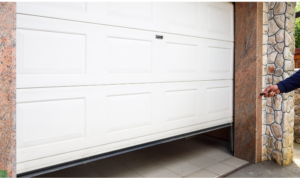
When homeowners call us and say their Garage Door Opens Slowly, it is usually a sign that something in the system has started to fall
A garage door motion sensor is designed to detect movement and trigger a response from the opener or lighting system. When it stops working, homeowners

Garage door safety sensors are small devices, but they play a critical role in ensuring a garage door operates safely. Many homeowners notice the sensors
A garage door is one of the largest moving parts in a home, yet it often gets overlooked until something goes wrong. From our experience,
Changing the batteries in a garage door keypad is usually simple, but many homeowners notice that the keypad stops working right afterward. We have seen
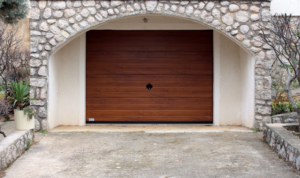
Faux wood garage door panels are increasingly favored by homeowners seeking the aesthetic appeal of real wood, along with reduced maintenance requirements. These panels are
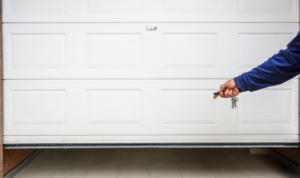
A garage door should move evenly from top to bottom. When it tilts, leans, scrapes, or closes unevenly, something in the system is no longer
Practical guidance from Fairway Garage Door technicians serving Chicago and the North Shore. From spring replacements and opener upgrades to seasonal maintenance, find answers from the team that handles it every day.
When homeowners call us about a garage door remote not working, the issue is rarely as simple as it first appears. Over years of service calls across Chicago, we have found that remote problems often involve more than just a dead battery. Signal interference, programming errors, and receiver issues are far more common than most people expect. That said, a non-responsive remote is not something to ignore. It is usually a sign that the opener system is no longer communicating properly, and that can quickly turn into a reliability or safety issue. The Battery Myth, Why New Batteries Do Not Always Fix the Problem One of the first things people try is replacing the battery. While that is a reasonable step, we observed many cases where a garage remote not working after new battery replacement still fails to operate the door. This usually happens because: We suggest checking battery orientation and contact condition first, but if the problem continues, it is time to look deeper. Signal and Interference Issues We Commonly See Garage door remotes rely on radio signals, and in urban environments like Chicago, interference is common. We have observed interference caused by: In these situations, the remote may work inconsistently, only at close range, or not at all. That inconsistency is often mistaken for a failing remote, when the real issue is signal disruption. When the Opener Receiver Is the Problem Another frequent diagnosis involves the opener itself. A garage door remote opener not working is often traced back to a failing receiver or logic board. We found that receivers can degrade over time due to: When this happens, even properly programmed remotes will stop responding. At that point, reprogramming alone will not solve the issue. Reprogramming Issues After Power Loss or Replacement Many remotes stop working after power outages, opener servicing, or battery changes. We observed that some openers automatically clear stored remote codes during interruptions. We suggest reprogramming the remote using the manufacturer’s sequence. However, if the opener does not enter programming mode or refuses to store new remotes, that usually points to an internal opener issue rather than a remote failure. When Replacement Makes More Sense Than Repair In our experience, older remotes often fail due to worn internal buttons or cracked circuit boards. If the remote must be pressed repeatedly or only works at extreme angles, replacement is usually the most reliable solution. That said, replacing a remote without confirming compatibility can lead to further frustration. We always verify: Safety Considerations You Should Not Ignore A malfunctioning remote is more than an inconvenience. Unreliable operation increases the risk of unexpected door movement or failure to stop when needed. For general safety awareness related to garage door systems, we recommend reviewing guidance from the U.S. Consumer Product Safety Commission on garage door safety risks. Final Thoughts From the Field From what we have seen, remote issues are rarely random. Whether the cause is signal interference, receiver failure, or programming loss, accurate diagnosis is key. Replacing parts blindly often costs more in the long run. At Fairway Garage Door, we focus on identifying the real cause of remote failure and restoring dependable operation. If your garage door remote has stopped working or behaves unpredictably, professional inspection can quickly determine whether reprogramming, repair, or replacement is the right solution.
When homeowners contact us about a garage door opening slowly, it is rarely a random issue. In most cases, slower operation is an early warning sign that something inside the system is wearing out or falling out of balance. Based on what we see on service calls across Chicago, speed changes usually happen gradually, which is why they are often ignored until the door becomes unreliable or unsafe. A residential garage door is a heavy mechanical system that depends on precise balance and controlled movement. When resistance increases anywhere in that system, speed is usually the first thing affected. What Slow Garage Door Operation Really Indicates Many homeowners ask if it is normal when a garage door opens slowly, especially during colder months. From a technician’s standpoint, a properly functioning garage door should complete a full open or close cycle in about 12 to 15 seconds. When a door starts taking noticeably longer, it usually means the opener is compensating for increased load or friction. A garage door slow to open is not just an inconvenience, it is the system protecting itself from damage. Mechanical Wear Is the Most Common Cause From years of field experience, mechanical wear accounts for most cases of a garage door opening slow. Components that handle weight and movement naturally degrade over time. Common wear-related issues include: Rollers developing flat spots or binding Hinges loosening or cracking Bearings drying out or seizing Tracks shifting slightly out of alignment When these parts no longer move freely, resistance builds and the door begins moving slower with each cycle. Spring Tension and Door Balance Problems Spring tension plays a critical role in door speed. Springs are designed to carry most of the door’s weight so the opener does not have to. As springs age, they lose tension gradually rather than breaking immediately. We frequently diagnose doors that feel heavy when lifted manually or hesitate halfway through opening. In these cases, the opener slows down to manage the extra load, leading to a garage door opening very slowly and placing additional strain on the motor. Ignoring spring imbalance often leads to sudden spring failure or premature opener damage. Opener Issues That Affect Speed While mechanical components cause most slow-downs, opener-related problems do occur. We commonly see: Motors losing torque with age Drive gears wearing down Force settings reduced after power interruptions Battery backup mode engaging during voltage fluctuations A garage door moving slowly due to opener issues is often louder than usual and may stop partway through its cycle as a safety response. Safety Risks of a Slow Garage Door One of the most important things we emphasize is that slow operation is not just a performance issue. Over time, inconsistent movement increases strain on components and raises garage door safety risks, especially in systems operating under high tension, it can lead to: Increased stress on cables and springs Unpredictable stopping or reversing Higher risk of component failure Reduced safety system reliability A door that moves inconsistently is harder for sensors and openers to monitor accurately, which increases safety risks for vehicles, pets, and people. When Fast Professional Repair Matters In our experience, addressing slow operation early almost always prevents larger repairs. Once friction, imbalance, or opener strain is corrected, normal speed is typically restored immediately. Professional inspection allows technicians to: Check door balance and spring tension Identify friction points Verify track alignment Test opener performance under proper load This approach fixes the cause rather than masking the symptom. Final Thoughts From the Field A garage door that is slowing down is telling you something important. Whether the issue is mechanical wear, spring imbalance, or opener strain, early diagnosis keeps the system safe and reliable. For homeowners in Chicago, fast, accurate service makes all the difference. If your door no longer moves the way it should, having it inspected promptly helps avoid breakdowns, safety issues, and costly repairs late.
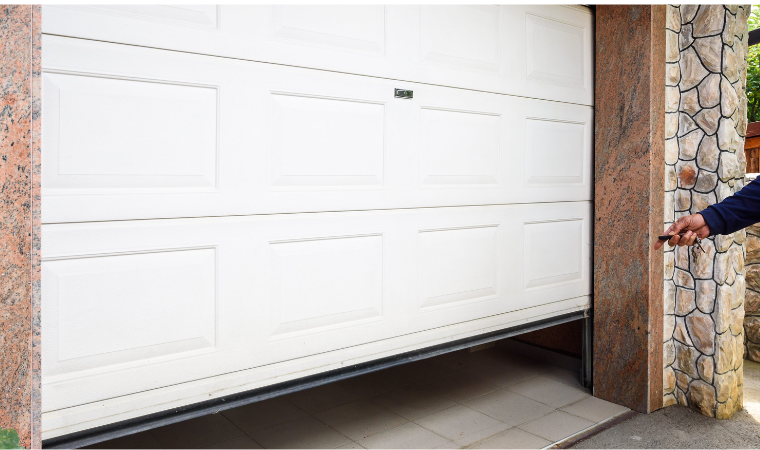
When homeowners call us and say their Garage Door Opens Slowly, it is usually a sign that something in the system has started to fall out of balance. In our day-to-day service work, we have found that speed issues rarely come out of nowhere. They develop gradually as components wear, shift, or lose efficiency. A residential garage door is one of the heaviest moving systems in a home. It relies on springs, rollers, tracks, cables, and an opener all working together under precise conditions. When even one of those parts begins to struggle, the first symptom we usually observe is slower movement. From what we see in the field, a healthy garage door should complete a full open or close cycle in about 12 to 15 seconds. Anything beyond that is worth paying attention to. What Slow Garage Door Operation Really Tells Us Many homeowners ask us, why is my garage door opening slowly, especially when the door still works and has not stopped completely. Based on our experience, slow movement is often the system compensating for increased resistance or imbalance. When a Garage Door Opens Slowly, it is usually because the opener is working harder than it should. Modern openers are designed to protect themselves, so they reduce speed or stop entirely when they sense abnormal load. That protection feature prevents sudden failures, but it also means something mechanical is no longer operating correctly. The Most Common Causes We Find on Service Calls Aging or Weak Springs From what we have observed over years of repairs, weakening torsion springs are one of the most frequent causes of slow operation. Springs are designed to carry most of the door’s weight. As they lose tension over time, the opener is forced to lift more load than intended. In these cases, the opener may still function, but it slows down to manage the extra strain. This is one of the first things we check when diagnosing a garage door opening slowly, because correcting spring balance often restores normal speed immediately. Increased Friction in Moving Parts Another issue we commonly encounter is friction buildup. Rollers, hinges, bearings, and tracks all need to move freely. When lubrication dries out or debris builds up, resistance increases. We have found that many doors suffer from either improper lubrication or the use of products that attract dust and grime. Over time, that friction causes slower, uneven movement and additional wear across the system. Track Alignment and Subtle Damage Tracks do not need to be visibly bent to cause speed issues. In fact, most alignment problems we diagnose are minor shifts that are hard to spot without experience. When rollers are forced through a tighter path, the door slows to compensate. This is another common reason a Garage Door Opens Slowly, even when everything appears fine at first glance. Opener Settings and Internal Wear Some garage door openers include speed or force controls. We have observed situations where these settings are lowered unintentionally, often after power interruptions or maintenance. In other cases, internal components such as gears or motors begin to wear down. When that happens, the opener may still work but loses efficiency, resulting in slower operation and increased noise. Why Addressing Slow Operation Early Matters Slow operation is rarely just an inconvenience. Over time, it can increase strain on components and raise broader household mechanical safety risks, especially in systems that operate under tension. Left unaddressed, it often leads to: That said, early inspection and correction almost always prevent larger problems. How We Diagnose and Fix Slow Garage Doors When we inspect a door that is opening slowly, we start with the mechanical system, not the opener controls. Our process is based on what we have learned through years of hands-on work. We typically: This approach allows us to fix the root cause rather than temporarily masking symptoms. Final Thoughts From the Field From our experience, when a garage door starts slowing down, it is communicating that something needs attention. Whether the cause is aging springs, friction, alignment issues, or opener wear, the solution begins with accurate diagnosis. At Fairway Garage Door, we believe informed homeowners make better decisions. If your door no longer moves the way it used to, having it checked early can save time, money, and frustration while keeping your system running safely and smoothly.
![Garage Door Motion Sensor Not Working [Causes and Fixes]](https://fairwaygaragedoor.com/wp-content/uploads/2025/12/why-are-Garage-Door-Motion-Sensor-Not-Working.webp)
A garage door motion sensor is designed to detect movement and trigger a response from the opener or lighting system. When it stops working, homeowners often wonder whether the issue is electrical, mechanical, or sensor-related. From what we have seen in the field, motion sensor problems are usually tied to calibration issues, environmental interference, or component wear rather than sudden failure. Understanding why a garage door motion sensor stops working helps determine whether the issue is simple or requires professional attention. What a Garage Door Motion Sensor Does A garage door motion sensor detects movement inside or near the garage. Depending on the system, it may turn on lights, prevent the door from closing, or signal the opener to pause operation. These sensors are commonly built into the opener housing or mounted nearby. When homeowners report that a Garage Door Motion Sensor Is Not Working, the issue is often not the motor or remote but the sensor’s ability to detect motion accurately. What Is a Garage Door Trip Sensor A garage door trip sensor is part of the safety system that reacts when movement or interruption is detected. While the term is sometimes used interchangeably with motion sensor, a trip sensor is a component that triggers a response when a threshold is crossed. That threshold could be movement, a beam interruption, or a sudden signal change. In simple terms, the trip sensor tells the opener when something should stop or change the door’s behavior. If that signal is not received correctly, the system may behave unpredictably or fail to respond. Why Garage Door Motion Sensors Fail From our experience, there are several common reasons motion sensors stop working properly. 1. Sensor Range or Sensitivity Issues Motion sensors rely on a defined detection range. If sensitivity settings drift or the sensor lens becomes obstructed, movement may not be detected. 2. Environmental Interference We found that dust, cobwebs, temperature fluctuations, or humidity can degrade sensor performance. Even airflow from vents can affect detection in some garages. 3. Electrical or Power Problems Loose wiring, voltage drops, or aging internal components can prevent the sensor from sending a proper signal. This is a common cause when a garage door motion sensor not working appears suddenly. 4. Alignment or Mounting Shifts Sensors can shift over time due to vibration or minor impacts. When the angle changes, the detection field may no longer cover the intended area. 5. Aging Sensor Components Like any electronic component, motion sensors wear out. Over time, internal circuitry may become less responsive. How Motion Sensors Interact With the Garage Door System Motion sensors do not operate in isolation. They communicate with the opener’s logic board and safety systems. When the sensor detects movement, it sends a signal that may turn on lights, delay closing, or stop operation. If communication between the sensor and the opener is interrupted, the system may ignore movement. In many cases, when a garage door motion sensor is not working, the sensor reports having power but no longer communicates reliably. Common Signs of a Motion Sensor Issue • Garage lights do not turn on with movement• Door closes even when someone is present• Motion is detected only intermittently• Sensor works at night but not during the day• System responds inconsistently to movement These symptoms often point to detection or signal issues rather than complete sensor failure. Safe Observations Homeowners Can Make We suggest starting with simple checks that do not involve tools: • Make sure the sensor lens is clean• Look for objects blocking the detection field• Observe whether lighting conditions affect performance• Check if the sensor responds from different distances• Note whether issues happen consistently or randomly These observations help determine whether the problem is environmental or system-related. Fixes for Garage Door Motion Sensor Issues When a Garage Door Motion Sensor Not Working persists, the most common corrective steps usually involve recalibration, repositioning, or component replacement by a professional. We recommend a professional evaluation if:• The sensor fails after repeated adjustments• Motion detection stops completely• The door behaves unpredictably• Electrical components appear involved Motion sensors are directly tied to safety systems, so proper handling is essential. Why Motion Sensors Are Sensitive by Design Motion sensors are intentionally designed to be sensitive to prevent unsafe conditions. False triggers are preferred over missed detection when safety is involved. For a broader context on how motion sensors are designed and how environmental factors affect them, Consumer Reports provides a helpful overview of motion sensor technology here. This explains why small environmental changes can affect sensor performance. Preventing Motion Sensor Problems From what we have found, motion sensors last longer when:• The garage is kept relatively clean and dry• Sensors are not exposed to direct airflow• The mounting area is stable• Regular system inspections are performed Prevention reduces false readings and extends sensor lifespan. Frequently Asked Questions Why is my garage door motion sensor not working consistently? Environmental factors, sensitivity drift, or communication issues are common causes. Is a garage door trip sensor the same as a motion sensor? They are related. A trip sensor triggers a system response when motion or interruption is detected. Can sunlight affect motion sensors? Yes. Rapid temperature changes and light exposure can interfere with detection. Do motion sensors affect door closing? In many systems, yes. They can delay or stop closing when movement is detected. Should a motion sensor be replaced or repaired? That depends on age, condition, and whether calibration restores proper function. Final Thoughts When a garage door motion sensor stops working, the issue is often due to detection accuracy, environmental interference, or aging components, rather than a sudden failure. Motion and trip sensors play an important role in safety, and even small disruptions can change how the system behaves. In our experience, careful observation helps determine whether the issue is temporary or requires professional attention. Addressing sensor issues early helps ensure safe, predictable operation of the garage door.
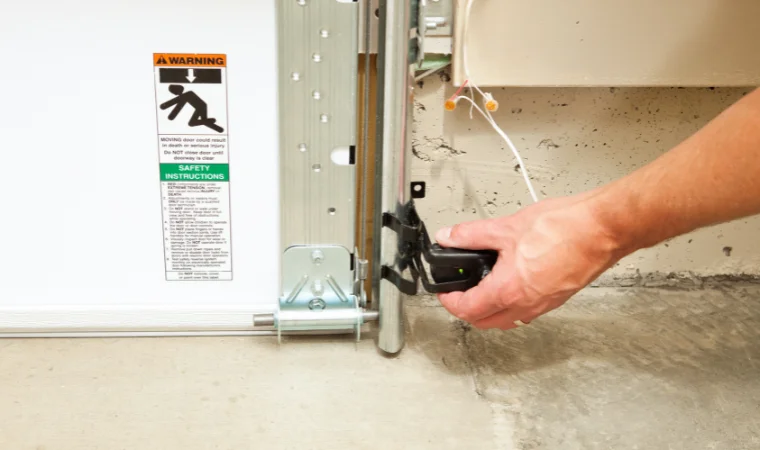
Garage door safety sensors are small devices, but they play a critical role in ensuring a garage door operates safely. Many homeowners notice the sensors only when they stop working, even though these components are active every time the door opens or closes. Understanding how garage sensors work helps explain why doors reverse unexpectedly, stop midway, or fail to close. This guide describes how garage door safety sensors work, focusing on infrared beams, alignment, and light signals, without getting overly technical. What Garage Door Safety Sensors Are Designed to Do Garage door sensors are designed to prevent the door from closing if something is in its path. This could be a vehicle, a person, a pet, or even a small object on the floor. The sensors continuously communicate while the door is moving; if that communication is interrupted, the door reacts immediately. When people ask, how do garage sensors work, the short answer is that they rely on an invisible beam and a constant line of sight. Understanding IR Beams At the core of the system is an infrared (IR) beam. One sensor sends the beam, and the other receives it. The beam runs just a few inches above the garage floor, where obstructions are most likely to occur. If anything breaks that beam while the door is closing, the system recognizes it instantly. The opener then stops the door or reverses it. This process occurs in real time and does not require pressure or contact. Understanding this beam is essential when learning how garage sensors work, because even minor interruptions can trigger a response. Why Sensor Alignment Matters Alignment is one of the most essential factors in sensor performance. Both sensors must face each other directly so the IR beam can travel uninterrupted. If one sensor shifts slightly due to vibration, impact, or loose mounting hardware, the beam may no longer reach the receiving sensor. When this happens, the system behaves as if a door is blocked, even when nothing is there. In many service checks, misalignment is the most common cause of sensor malfunctions. What Sensor Light Signals Mean Most garage sensors include small indicator lights. These lights help show whether the sensors are powered and communicating properly. While colors vary by manufacturer, the general purpose is the same: Light signals are a visual way to understand how garage sensors work without tools or testing equipment. How Sensors Communicate With the Opener The sensors are connected to the garage door opener through low-voltage wiring. When the IR beam is clear, the sensors signal the opener that it is safe to close the door. If the beam is interrupted, that signal changes instantly. This constant communication is why the door can stop or reverse so quickly. It also explains why sensor issues affect closing more often than opening. Common Situations That Interrupt Sensor Function Even when the sensors are working properly, certain conditions can interfere with them: These issues help explain how garage sensors work in real-world conditions, not just in ideal setups. Why Safety Sensors Are Required Garage door safety sensors became standard to reduce injury and property damage. Modern garage doors are powerful; without sensors, they would rely solely on force detection. For background on safety standards that influence sensor design, the UL garage door operator safety overview provides useful context:https://ul.com/services/garage-door-operator-safety-standard This helps explain why sensor systems are built the way they are. When Sensor Issues Suggest a Larger Problem Occasional interruptions are normal, but repeated issues may indicate worn wiring, aging sensors, or mounting issues. If sensors require frequent adjustment or the door refuses to close consistently, a professional inspection is often recommended. Understanding how garage sensors work helps homeowners distinguish between environmental and mechanical issues. Frequently Asked Questions 1. How do garage sensors work when the door is closing? They send and receive an infrared beam. If the beam is broken, the door stops or reverses immediately. 2. Why does my garage door open but not close? Sensors are primarily active during closing. If the beam is blocked or misaligned, the door will not close. 3. Do garage sensors work in the dark? Yes. Infrared beams do not rely on visible light. 4. Why do sensor lights blink? Blinking usually indicates alignment issues, signal interruption, or unstable power. 5. Can sunlight affect garage sensors? Yes. Strong direct sunlight can interfere with the beam and cause false interruptions. Final Thoughts Learning how garage sensors work makes it easier to understand why garage doors behave the way they do. These sensors rely on infrared beams, precise alignment, and constant communication with the opener. Small changes in alignment or environment can affect their performance, even when nothing appears broken. By understanding How Garage Door Safety Sensors Work, homeowners can better identify normal behavior, temporary interference, and situations that may require professional attention.
![How to Maintain Your Garage Door [Step by Step Guide]](https://fairwaygaragedoor.com/wp-content/uploads/2025/12/Garage-Door-Cable-Repair-in-Winnetka.png)
A garage door is one of the largest moving parts in a home, yet it often gets overlooked until something goes wrong. From our experience, most garage door issues do not start suddenly. They develop slowly due to wear, lack of lubrication, or small alignment changes that go unnoticed over time. That is why learning how to maintain your garage door properly can help extend its lifespan and reduce unexpected problems. This guide walks through simple, safe maintenance steps we commonly recommend to homeowners. These steps focus on observation, light care, and early detection rather than repairs that require specialized tools. How to Maintain Your Garage Door Step 1: Watch and Listen to the Door in Motion We always suggest starting with observation. Open and close the garage door a few times and pay attention to how it moves. Look for uneven movement, hesitation, or shaking. Listen for grinding, scraping, or popping sounds. A smooth door should move evenly and quietly. When we check doors that later develop issues, early signs such as noise or uneven travel are often the first clue that something is changing. If anything feels different from normal, note it before moving on. Step 2: Inspect the Visible Hardware Next, take a slow look at the door’s visible components. This includes rollers, hinges, tracks, and mounting brackets. You are not adjusting anything here, just checking. We often find loose screws, worn rollers, or slightly bent track sections during routine inspections. Look for rust, cracks, or parts that appear misaligned. If the hardware seems damaged or heavily worn, it is helpful to document it later. Avoid touching cables or springs. These parts are under tension and should only be handled by trained professionals. Step 3: Keep Tracks Clean and Clear One of the simplest ways to maintain your garage door is to keep the tracks clear. Dirt, leaves, and small debris can interfere with smooth movement. Use a dry cloth to wipe inside the tracks. If there is heavy buildup, a damp cloth works well, followed by drying. We do not recommend applying grease to the tracks themselves, as it can attract more debris and cause buildup over time. Step 4: Lubricate Moving Parts Properly Lubrication plays a big role in garage door longevity. Hinges, rollers with bearings, and springs benefit from proper lubrication. We suggest using a garage door-specific lubricant rather than general-purpose oils. Apply lightly and wipe away excess. Over-lubrication can cause dripping and dirt buildup. For general guidance on safe lubricant use and maintenance products, Consumer Reports offers helpful information on household lubrication basics. Step 5: Check Door Balance Safely Door balance affects both performance and safety. While we do not recommend adjusting springs, you can still observe balance. With the opener disengaged, carefully lift the door halfway and let go. A balanced door should stay in place. If it drops quickly or shoots upward, the balance may be off. When we encounter doors with an opener strain or uneven movement, imbalance is often the root cause. In that case, professional adjustment is usually needed. Step 6: Test Safety Features Garage door safety features are critical. Check the auto-reverse feature by placing a small, solid object, such as a block of wood, on the floor beneath the door, then closing the door to see if it reverses on contact. The door should reverse upon contact. Also, check the safety sensors near the floor. Make sure they are clean, aligned, and unobstructed. We found that dirty or misaligned sensors are among the most common causes of door reversal. Step 7: Inspect Weather Seals and Panels Weather seals help keep moisture, debris, and pests out of the garage. Check the bottom seal and side seals for cracking or gaps. Door panels should also be inspected for dents, warping, or separation. Even minor panel damage can affect weight distribution over time. Step 8: Maintain the Opener System The opener is part of the overall system. Check the mounting bracket, rail, and chain or belt for wear. We recommend listening for changes in motor noise and ensuring the opener does not strain when lifting the door. If the opener struggles, it often means the door itself needs attention. When to Involve a Professional That said, not every maintenance issue should be handled by a homeowner. If you notice cable slack, spring issues, significant imbalance, or repeated operational problems, we recommend contacting a trained garage door professional. These components store energy and require appropriate tools and experience. From what we have seen, early professional evaluation often prevents larger failures and extends the system’s lifespan. How Often to Maintain Your Garage Door We generally suggest light checks every few months and a more thorough inspection at least once a year. Seasonal changes are a good reminder to revisit your garage door maintenance and catch issues early. Final Thoughts Knowing how to maintain your garage door is not about fixing everything yourself. It is about understanding what normal operation looks like and recognizing when something changes. Regular observation, basic cleaning, and proper lubrication reduce wear and help the system work as intended. In our experience, doors that receive consistent care tend to last longer, operate more smoothly, and avoid sudden breakdowns. Paying attention now saves time, cost, and frustration later.
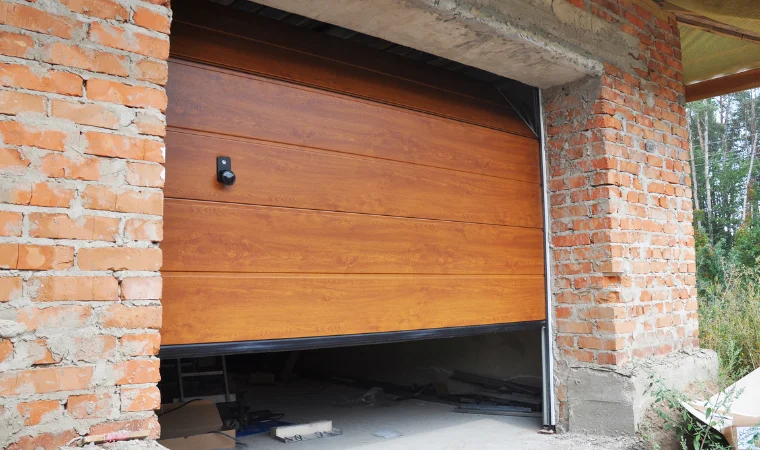
Changing the batteries in a garage door keypad is usually simple, but many homeowners notice that the keypad stops working right afterward. We have seen this happen because some keypads lose their stored code when power is interrupted. In other cases, the keypad powers on but no longer communicates properly with the opener. In these situations, the issue is usually not the keypad itself but the need for a reset. We recommend understanding how resetting works and when it is required, since it can save time and avoid confusion, especially when a door suddenly stops responding after a battery replacement. Why a Garage Door Keypad May Stop Working After a Battery Change A garage door keypad relies on a small internal memory to store its access code. When batteries are removed, that memory can reset, depending on the keypad model. Even if the code is not erased, the keypad may need to be reconnected or resynchronized with the opener to function properly again. Common reasons include: • Complete power loss during battery removal• Weak or incorrect batteries installed• Keypad timing out during the change• Loss of connection between keypad and opener When this happens, resetting garage code settings is often the next step. Signs That a Reset Is Needed You may need to reset the keypad when it lights up, but the garage door does not respond, even though the system has power. Another common sign is when a code that worked previously no longer opens the door, or the keypad begins flashing or beeping without activating the opener. In some cases, the door will still open with a remote but not with the keypad. These situations usually indicate that the keypad needs to be reprogrammed rather than pointing to a mechanical issue with the door itself. How to Reset Garage Door Keypad After Changing Battery The general reset process is similar across most brands, though the exact steps vary by model. In simple terms, resetting involves clearing the old code and programming a new one so the keypad and opener can communicate again. Most resets include these steps: Once complete, the opener stores the new code and responds to the keypad. If the keypad still does not work, repeating the process slowly often helps, as timing is critical. Resetting Garage Code vs Changing Batteries Changing batteries restores power, but resetting the garage code restores communication. These are two separate steps. A keypad with fresh batteries can still fail to open the door if the code is no longer synced with the opener. That is why many issues appear immediately after a battery change, even though the keypad itself seems fine. For general information on battery types and safe handling, see the Consumer Reports battery basics guide. Common Mistakes During Resetting Homeowners often run into problems when: • Batteries are installed backward• The wrong type of batteries is used• The learn button is held too long• The code is entered too slowly• The keypad buttons are pressed before the opener is ready Taking a moment to reset carefully and follow timing instructions usually prevents these issues. When Resetting Does Not Solve the Problem If resetting the garage code does not restore keypad functionality, the issue may be related to the keypad or the opener system, rather than the batteries. This can occur when a keypad has reached the end of its usable lifespan, when signal interference between the keypad and the opener occurs, or when internal buttons wear over time. In some cases, the problem may involve the opener’s logic board. At that stage, professional evaluation helps determine whether the keypad needs to be replaced or if the opener requires further attention. Tips to Avoid Keypad Issues After Battery Changes To reduce the risk of keypad issues after future battery changes, replace batteries one at a time when possible and always use fresh, high-quality batteries. Avoid pressing keys while installing the batteries, and keep the keypad clean and dry to prevent moisture and dirt from affecting performance. Writing down the current code before changing batteries can also prevent confusion later. These simple habits reduce the risk of losing keypad settings. Frequently Asked Questions 1. Why did my garage keypad stop working after changing batteries? Some keypads lose their stored code when power is interrupted, requiring a reset of the garage code settings. 2. Do I always need to reset after a battery change? Not always. Some models retain the code, but many require a reset. 3. Can I reuse the same code? Yes. Most systems allow you to re-enter the same code during reset. 4. How often should keypad batteries be replaced? Most batteries last one to two years, depending on usage and climate. 5. Will resetting the keypad affect remotes? In most cases, resetting the keypad alone does not erase remote controls, but this depends on the opener model. Final Thoughts A garage door keypad that stops working after a battery change is usually due to a lost or unsynchronized code rather than a serious system failure. Understanding how to reset the garage code makes it easier to regain access without unnecessary frustration. If the keypad continues to fail after a proper reset, it is often a sign that the keypad or opener requires closer inspection by a trained technician.
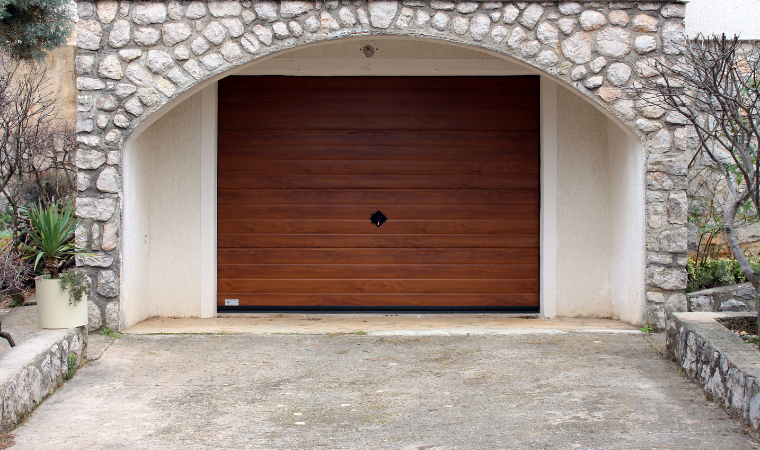
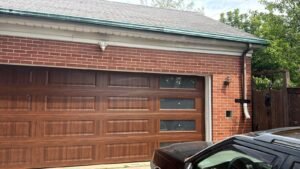
Faux wood garage door panels are increasingly favored by homeowners seeking the aesthetic appeal of real wood, along with reduced maintenance requirements. These panels are designed to look like authentic cedar, oak, or mahogany, yet they resist moisture, peeling, and warping much better than traditional wood. Because they offer visual appeal and long-lasting performance, they work well for both new garage doors and replacement upgrades. What Faux Wood Garage Door Panels Are Faux wood garage door panels are typically made from steel, composite, fiberglass, or a combination of materials. A realistic wood grain texture is molded or embossed into the surface, giving the door a natural look from a distance and up close. The goal is to recreate the charm of wood while keeping the structure light, durable, and easy to maintain. Many homeowners choose faux wood panels because they do not require staining, sealing, or sanding over time. They hold their color well and do not fade as quickly as real wood exposed to sunlight and weather. For homeowners who want to understand how different garage door materials compare in terms of durability and performance, the International Door Association offers a helpful overview on its official materials page. Benefits of Faux Wood Garage Door Panels 1. Lower Maintenance Real wood is beautiful but requires regular sealing and care. Faux wood garage door panels keep the same warm appearance with far less upkeep. 2. Strong Weather Resistance Composite and steel-based panels resist moisture, rain, and humidity. They also do not crack or warp, which helps the door last longer. 3. Lightweight Construction The lighter weight reduces strain on springs and hardware. This can help extend the life of the garage door system. 4. Versatile Design Options Faux wood colors range from light natural tones to deep, rich finishes. Panels also come in raised, recessed, or carriage style designs. 5. Better Long-Term Durability Because the panels are not affected by insects or rot, they stay in good condition even in climates with heavy rain or temperature fluctuations. How Much Faux Wood Garage Door Panels Cost The price varies by material and style. On average, homeowners can expect faux wood garage door panels to cost between 800 and 1500 dollars for a standard single door, depending on brand, thickness, and finish level. Full custom designs or insulated models cost more, but the overall maintenance savings usually balance it out. Durability and How Long They Last Faux wood panels are designed to handle daily wear without losing their shape or texture. Steel based panels are the strongest option, while composite and fiberglass provide a lighter feel with strong impact resistance. Many of these panels last more than fifteen years when maintained properly. The finish is designed to resist fading from UV exposure, and the molded grain pattern stays consistent over time. Even in areas with strong sunlight or frequent rain, the panels tend to hold up better than natural wood. Installation Process Explained Installing faux wood garage door panels is similar to installing standard steel or composite sections. The process usually includes: • Removing the old door sections• Securing the new panels to the existing or new hardware• Aligning the tracks and rollers• Balancing the door for smooth movement• Testing the opener to confirm proper operation Because the panels are lighter than solid wood alternatives, installation is often quicker and places less strain on the system. Most homeowners prefer a trained technician to handle the setup since it involves springs, cables, and alignment steps that require experience. When Faux Wood Garage Door Panels Are a Good Choice Faux wood is a strong option for homeowners who: • Want the look of natural wood without heavy upkeep• Live in climates with high humidity, rainfall, or heat• Prefer long-lasting materials that stay stable over time• Want a lightweight door that reduces strain on the opener• Like the appearance of carriage house or craftsman style designs Whether for a complete door replacement or a design refresh, faux wood garage door panels offer a clean, durable finish that complements many home styles. Frequently Asked Questions Do faux wood garage door panels look real? Yes. Modern finishes use molded grain patterns that closely match the look of natural wood. Are they heavier than steel doors? Many models are similar in weight or lighter, depending on the construction. Can they be insulated? Yes. Insulated versions are available for better temperature control and quieter operation. Do they fade in sunlight? They hold color well, but slight fading over many years is typical. The effect is still less than that of natural wood. Can I replace just one panel? In many cases, yes, as long as the new panel matches the size and style of the existing door. Final Thoughts Faux wood garage door panels offer a stylish, practical alternative to real wood. They provide long-lasting durability, reduced maintenance, and a realistic appearance that fits both modern and traditional homes. With a wide range of textures and colors, they allow homeowners to enjoy the look of a custom wood door without the upkeep or weight concerns.
![Why Your Garage Door Is Closing Crooked, or One Side Is Higher [Fixes Included]](https://fairwaygaragedoor.com/wp-content/uploads/2025/12/Why-Your-Garage-Door-Is-Closing-Crooked-or-One-Side-Is-Higher.png)
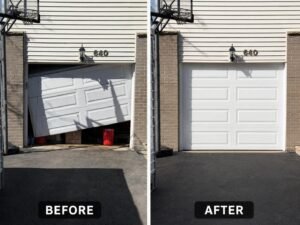
A garage door should move evenly from top to bottom. When it tilts, leans, scrapes, or closes unevenly, something in the system is no longer working together. Many homeowners first notice the problem when the bottom seal touches the floor on one side, leaving a gap on the other. Others hear a new grinding sound or see the door dropping faster on one side. A crooked garage door may seem like a minor inconvenience, but it often signals hidden strain on cables, springs, rollers, or tracks. Understanding why the imbalance happens helps you recognize what is normal and what may need attention from a trained technician. We’ve explained here the most common causes of a crooked garage door, symptoms to watch for, safe homeowner observations, and when expert help is recommended. What It Means When a Garage Door Closes Crooked When a garage door closes crookedly, one side moves at a different pace than the other. The result is a slanted or uneven finish where the door meets the ground. Homeowners often describe it as: • Garage door closing crooked• One side of the garage door is higher than the other• The door looks twisted or uneven while lowering• Door scrapes or leans during movement This usually means that the mechanism controlling the door’s balance is loose, damaged, or worn. How a Garage Door Moves as a Balanced System A garage door weighs more than it appears. Most residential doors weigh between 120 and 300 pounds. Springs carry most of that weight, so the opener does not struggle. Cables lift and lower the door. Rollers guide the movement along the tracks and keep it straight. When all of these parts share weight evenly, the door moves smoothly. If one part weakens or shifts, the door tries to work harder on one side, which creates a crooked close or uneven opening. For a deeper understanding of the safety standards behind garage door operation, you can review the UL safety guidelines. Why Your Garage Door Is Closing Unevenly Below are the most common reasons a garage door becomes crooked or one side sits higher. Cable Problems Cables carry the door’s load. If a cable frays, loosens, slips off the drum, or begins to stretch, one side will drop faster than the other. You may even notice slack in a cable. Spring Tension Issues Torsion and extension springs balance the entire door. If a spring loses tension or only one spring is replaced, the door may pull unevenly. Worn or Damaged Rollers Rollers keep the door centered in the tracks. A cracked, seized, or missing roller can cause the door to tilt and force it to travel unevenly. Misaligned or Bent Tracks Tracks guide the movement. If a track is bumped, bent, or loosened, the door may lean toward that side during closing. Obstruction in the Track Small objects like gravel, kids’ toys, leaves, or tools can shift the door off balance while lowering. Door Panel or Frame Damage If the door gets hit or dented, the weight distribution changes, which can cause an uneven close. Hardware Loosening Over Time Vibration, weather, and age can loosen hinges, brackets, or screws, affecting how the door hangs. What Homeowners Often Notice First • Bottom rubber seal touches the floor on only one side• Door rubs, screeches, or drags during closing• Gaps appear under the door on one side• Door hesitates or jerks before fully closing• Opener strains, slows, or reverses unexpectedly• Door looks straight when open but crooked when closing Any of these signs can mean the door is no longer balanced. Why a Crooked Garage Door Should Not Be Ignored A crooked garage door may still open and close, but the imbalance behind it usually gets worse with continued use. An uneven door puts extra wear on cables and rollers and increases strain on the opener as it tries to pull more weight on one side. Over time, this can lead to bent tracks, metal fatigue, or a sudden cable failure. It also creates a safety concern for people, vehicles, and pets who pass under the door. In many cases, a crooked door is the first sign of a larger issue developing in the system. Simple Observations Homeowners Can Safely Make You do not need tools for these checks: • Stand back and watch the door close from a distance• Look for gaps under the door• Check whether one cable looks looser than the other• Look for visible dents, bent tracks, or debris• Listen for scraping, rubbing, or grinding sounds• Notice whether the door slows at a certain point If anything looks out of place, avoid touching springs, cables, or tension components. These parts are under high pressure and require professional handling. Possible Fixes for a Garage Door Closing Crooked Remove objects or debris near the tracks If something is sitting against the track or wheels, clearing the area may help the door close, usually. Test the opener cycle Sometimes the door needs a reset after a power outage or disruption. Running a full open-and-close cycle can restore normal movement. Schedule professional balance or cable service If the door leans, drops unevenly, or has cable or spring tension issues, trained technicians typically handle the correction safely. Have rollers, tracks, or hardware inspected A professional may recommend replacing rollers, realigning the track, or tightening hardware if components are worn or shifting. These solutions help prevent deeper mechanical strain. Why Do Doors Become Uneven Suddenly A garage door can become crooked without warning. Common triggers include: • Seasonal humidity swelling wood framing• Vehicle bumping the track• Sudden cable slip or break• Power outage followed by opener reset• Only one spring is being replaced instead of both• Long periods without maintenance or lubrication Even if the change seems minor, it can affect the door’s balance. How Door Type Influences Uneven Movement Single Spring Systems More likely to become uneven if the spring weakens. Dual Spring Systems Offer better balance, but uneven wear can still appear. Wood
Essential reading for Chicago homeowners
4.9 stars · 140+ Google reviews · Chicago & North Shore suburbs