

Garage Door Sensor Light Colors Guide
Garage door sensors use light signals to show whether the safety system is working as it should. These colors help homeowners determine whether the sensors
Garage door sensors use light signals to show whether the safety system is working as it should. These colors help homeowners determine whether the sensors
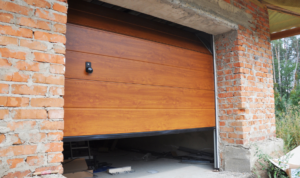
Your garage door is more than just an entry point—it’s a key part of your home’s exterior, security, and energy efficiency. Whether you’re replacing an
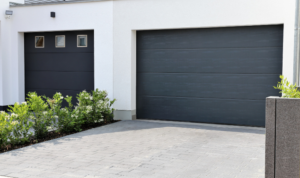
Gone are the days when garage doors were simple manual systems with a basic opener. Today’s homeowners expect more—smart garage door technology is rapidly becoming

A noisy garage door can disrupt your peace and signal underlying issues you shouldn’t ignore. While it’s easy to get used to the creaks and
Practical guidance from Fairway Garage Door technicians serving Chicago and the North Shore. From spring replacements and opener upgrades to seasonal maintenance, find answers from the team that handles it every day.
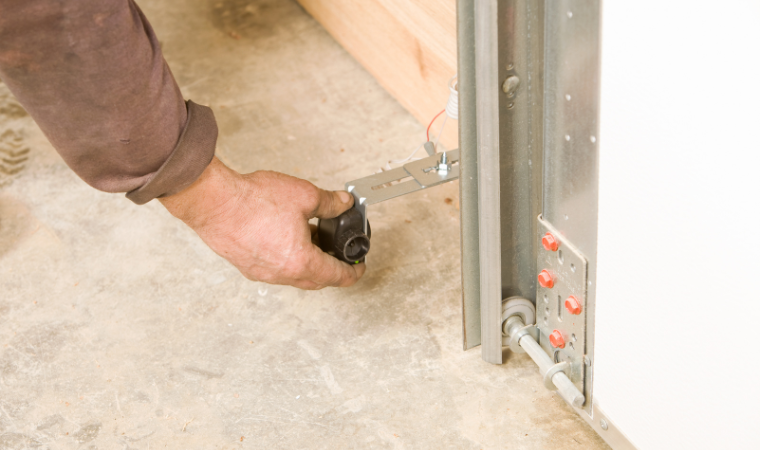
Garage door sensors use light signals to show whether the safety system is working as it should. These colors help homeowners determine whether the sensors are powered, aligned, or detecting a problem with the beam. Since every brand uses slightly different indicators, the colors sometimes create confusion. This guide brings everything together so you can understand what the lights usually mean without diving into repairs or adjustments that require technical service. For you, we’ve covered all sensor light colors in one place. It also includes color variations for Chamberlain, LiftMaster, and Craftsman to avoid the need for separate posts or overlapping content. What Garage Door Sensor Light Colors Represent Most garage door sensors come with two small lights. One sends an infrared beam, and the other receives it. When the beam is precise and the sensors are facing each other, the lights show a steady signal. When something interrupts that signal, the colors or blinking patterns change. Although every manufacturer has its own style, these color patterns usually follow similar logic. A steady light often means the sensor is active. A blinking or unusual color frequently suggests that the beam is blocked or that the sensors are not communicating correctly. You can also review the UL safety standards for garage door operator systems, which outline how these sensors are designed to support safe operation. Common Garage Door Sensor Light Colors and What They Usually Indicate Green Light A green light is often the power indicator. This means the sensor has electricity and is switched on. If the green light flickers or blinks, it may be reacting to changes in alignment or shadows near the beam. Red Light A red light is usually the receiving sensor. When the beam is precise, it stays solid. If the red light flickers, the beam may be blocked, or the sensors may not be facing each other properly. Amber or Yellow Light An amber or yellow light often appears on sensors that use a warm colored receiving indicator. This color can also occur when the sensor is powered but not fully aligned. Some brands use yellow to show the sending eye. Orange Light Orange is another version of the sending eye indicator. It may also appear if the sensor housing has an older lens that produces a warmer tone. If the orange light stays solid, it usually means the sensor is active. If it flickers, the beam may be losing connection. Flashing Green Light A blinking green light can point to alignment changes, movement around the bracket, or inconsistent power. Some models blink green during testing and return to solid green once the beam is stable. One Green and One Yellow This combination is common. It usually means one sensor is the sending eye while the other is the receiving eye. If the yellow or amber light blinks, it may not be reading the beam correctly. If both lights are solid, the system is typically functioning as intended. Why These Light Variations Occur 1. Sensor Misalignment Even small movements can shift the sensors enough for the beam to lose accuracy. This may happen when children play near the garage door, when items bump the brackets, or when seasonal temperature changes cause slight warping. 2. Dust or Debris on the Lens Sensors are close to the floor, where dust, leaves, pet hair, and moisture can collect. Any buildup on the lens can weaken the light signal. 3. Sunlight or Shadows Strong sunlight entering the sensor lens directly can interfere with the beam. Shadows from parked cars, boxes, or yard items can also interrupt the line of sight. 4. Vibration or Loose Mounting Regular opening and closing of the garage door causes vibration. Over time, the brackets may loosen slightly, affecting sensor alignment. 5. Aging Sensors Older sensors may become sensitive to small changes. Light colors may flicker or shift even when the door seems to operate normally. Brand Specific Light Color Behavior Every brand has its own light color style. Below are common patterns seen in the three leading brands found in many homes. These points are informational and do not include repair steps. Chamberlain Garage Door Sensor Light Colors Chamberlain garage door sensor blinking green A blinking green light often means the sensor is active but not yet reading the opposite sensor clearly. Chamberlain garage door sensor orange light An orange sending light is typical. It stays steady when powered. Chamberlain garage door sensor yellow A yellow or amber receiving light may appear when the beam is not entirely stable or when the sensor is picking up light interference. LiftMaster Garage Door Sensor Light Colors LiftMaster garage door opener sensor is yellow Some LiftMaster models use yellow to indicate the sending eye. A solid yellow light usually means the sensor is powered. LiftMaster garage door sensor blinking green light A blinking green signal may appear during alignment changes or when the beam is interrupted. Craftsman Garage Door Sensor Light Colors Craftsman garage door sensor orange light The orange light is often on the sending side. This color is standard. Craftsman garage door sensor yellow light A yellow receiving light may appear when the system is active, but the beam is not yet perfectly aligned. Situations Where Light Colors Change but the Door Still Works Some color shifts do not immediately affect the door. For example: • Minor dust on the lens• Temporary shadows• Strong sunlight hitting the lens• Small vibration at the bracket• Normal blinking during system startup If the door continues to work as usual, these light changes may be the sensor reacting to environmental conditions. When Light Colors Suggest Aging Equipment Sensors that show inconsistent or unpredictable colors, even when the door works, may be older. Over time, the internal components become sensitive. Homeowners often first notice this when the lights change shades or blink without an apparent reason. This does not always mean failure. It may indicate that the sensors are approaching the end of their lifespan. Simple Ways to Observe
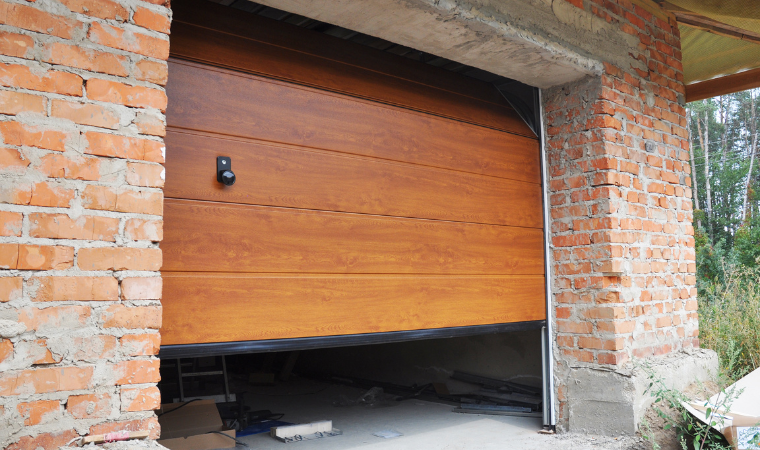
Your garage door is more than just an entry point—it’s a key part of your home’s exterior, security, and energy efficiency. Whether you’re replacing an aging door or selecting one for a new construction, the choice you make will impact curb appeal, performance, and comfort for years to come. With so many options available, understanding the differences in materials, styles, and insulation can help you make a smart investment. This guide breaks down everything you need to know when choosing the perfect garage door. 1. Garage Door Materials: Pros and Cons Steel Steel is a popular choice for its durability, affordability, and low maintenance, making it suitable for most homes. It comes in various styles, can be insulated for energy efficiency, and resists warping. However, it’s prone to denting and may rust over time if not properly finished or maintained. Wood Wood garage doors offer natural beauty, customization options, and timeless charm, particularly for traditional or craftsman-style homes. On the downside, they require frequent maintenance to protect against rot, moisture, and warping, and they tend to be more expensive than other materials. Aluminum Aluminum doors are lightweight, rust-resistant, and ideal for modern home designs, especially when paired with glass panels. While they perform well in humid climates, they’re more susceptible to dents and don’t offer the same insulation or strength as steel. Vinyl Vinyl doors are dent-resistant, durable, and nearly maintenance-free, making them a practical option for busy households or coastal environments. Their drawbacks include limited color and style options, and in very cold climates, the material can become brittle over time. Fiberglass Fiberglass mimics the look of wood and is resistant to moisture and insects, offering a lightweight and low-maintenance alternative. However, it may fade with prolonged sun exposure and can crack in extremely cold weather, making it less suitable for all climates. 2. Garage Door Styles Your garage door should complement your home’s architectural style while fitting your personal taste. Common styles include: Traditional Raised Panel Classic, rectangular panels fit a variety of homes from suburban to colonial designs. Carriage House With a barn-style appearance and often featuring decorative hardware, these doors suit rustic or country homes. Though they appear to swing out, they function like overhead doors. Modern/Contemporary Characterized by clean lines, large glass inserts, and minimalist finishes. Ideal for mid-century or modern homes. Custom Designs Some homeowners opt for fully custom garage doors using mixed materials and personalized features for a unique look. Local experts, like Fairway Garage Door Chicago, can help homeowners design custom doors that balance beauty with function. 3. Understanding Insulation Insulated garage doors are essential for temperature control and energy efficiency—especially if your garage is attached to your home. Types of Insulation What is R-Value? The R-value measures thermal resistance. A higher R-value means better insulation. If your garage is climate-sensitive or used as a workspace, look for doors with R-values of R-10 or higher. Benefits of Insulated Doors 4. Extra Features to Consider Windows Windows improve aesthetics and bring in natural light. Choose insulated or frosted glass for privacy and thermal performance. Smart Technology Modern garage door openers offer smartphone control, real-time alerts, and integration with home automation systems. Security Look for doors with reinforced locking mechanisms, tamper-resistant brackets, and openers with rolling code technology for better protection. Color and Finish Options From bold blacks and wood-tone finishes to neutral whites and grays, garage doors come in a wide array of colors. Many materials also offer texture options, like faux wood grain on steel or vinyl. Making the Right Decision Before purchasing a garage door, consider: If you’re unsure, consult a garage door professional to guide you through the process. A well-chosen door not only functions better but also significantly boosts curb appeal. Conclusion Choosing the right garage door involves balancing aesthetics, durability, energy efficiency, and cost. By understanding the different materials, styles, and insulation types, you can select a door that enhances both the look and performance of your home. Investing in a quality garage door improves comfort, lowers energy costs, and adds value to your property. And if you’re in need of expert guidance, reliable installation, or custom options, Fairway Garage Door is a trusted resource ready to help bring your vision to life.
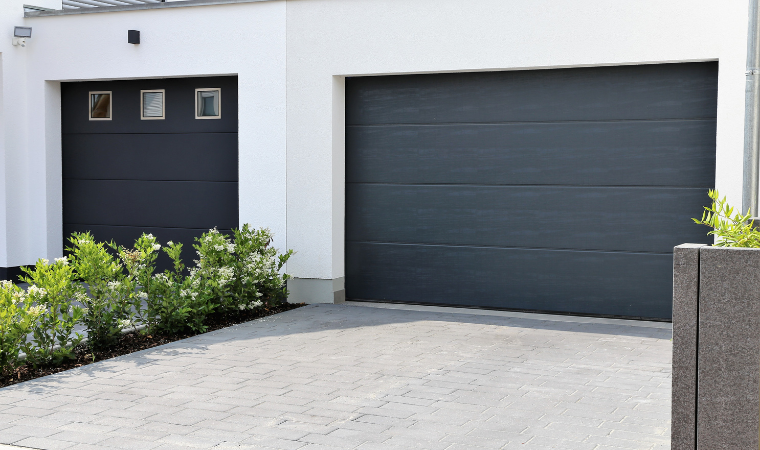
Gone are the days when garage doors were simple manual systems with a basic opener. Today’s homeowners expect more—smart garage door technology is rapidly becoming the standard, offering greater convenience, improved safety, and seamless control right from your smartphone. Whether you’re upgrading an old system or outfitting a new home, integrating smart technology into your garage door can make daily life easier while enhancing your home’s security. Here’s everything you need to know about how smart garage doors work, their features, benefits, and why more homeowners are making the switch. What Is a Smart Garage Door? A smart garage door is equipped with Wi-Fi-enabled technology that allows you to operate and monitor your garage door remotely using a smartphone app. This system typically includes a smart opener or a smart controller, which connects to your home network and offers features beyond just open and close functionality. Unlike traditional openers, smart garage doors give you real-time alerts, voice control, scheduling options, and even video monitoring—depending on the model and setup. Top Features of Smart Garage Doors 1. Remote Access and Control One of the biggest advantages is the ability to open or close your garage door from anywhere using a mobile app. Whether you’re at work, on vacation, or in bed, you can check the door’s status and control it with a single tap. 2. Real-Time Alerts and Notifications Smart garage systems send instant alerts if your garage door is left open for too long or if it’s opened unexpectedly. This helps prevent accidental security breaches and ensures peace of mind when you’re away from home. 3. Integration with Smart Home Systems Modern garage doors can be integrated with platforms like Google Assistant, Amazon Alexa, Apple HomeKit, or SmartThings. This allows for voice-activated control and automation, such as automatically closing the garage at a certain time or when you leave the house. 4. Guest Access Management Many smart apps allow you to grant temporary or recurring access to friends, family, or service providers without giving out your garage keypad code. You can manage permissions and get access at any time. 5. Security Cameras and Monitoring Some smart garage door systems already have built-in or compatible security cameras. You can monitor deliveries, track movement, or get video alerts when the door opens. This is particularly useful for deterring theft and monitoring package drop-offs. Benefits of Installing a Smart Garage Door Increased Security Smart doors reduce the risk of leaving your garage vulnerable. Alerts, auto-close features, and camera integrations offer multiple layers of protection, which is why more homeowners are turning to providers like Fairway Garage Door for high-security installation options. Greater Convenience You no longer need to carry remotes or worry about forgetting to close the garage. From controlling the door with your phone to setting routines and timers, smart garage doors simplify your day-to-day routine. Energy Efficiency and Home Integration Some smart systems connect with home automation features that optimize energy usage, like keeping the garage closed during peak temperature hours to help maintain indoor comfort levels. Activity Tracking You can view a history of door activity, so you always know when it was opened or closed and by whom. This is useful for parents keeping an eye on teen drivers or for checking if a contractor arrived as scheduled. Is a Smart Garage Door Right for You? If you use your garage as the main entry point to your home or use it for storage, deliveries, or workspace, a smart system is a worthwhile upgrade. It not only adds value to your home but also aligns with modern expectations for automation and security. Smart garage doors are compatible with both new constructions and existing garage systems. If your current opener is functioning well, you can often retrofit it with a smart controller to gain similar features without replacing the entire unit. Choosing the Right System When selecting a smart garage door system, consider: For professional guidance, installation, and product recommendations, many homeowners rely on trusted local experts like Fairway Garage Door Chicago, known for helping clients choose smart systems that meet their daily needs and security expectations. Installation: DIY or Professional? While some smart garage door openers are designed for DIY installation, hiring a professional is recommended for optimal performance and safety. A professional can: Final Thoughts Smart garage door technology is transforming how we interact with one of the most-used entry points in our homes. From increased convenience and security to better control over access and automation, these systems are a modern solution for today’s connected lifestyles. Whether you’re upgrading an older system or building your dream smart home from scratch, a smart garage door is a valuable investment that pays off in convenience and peace of mind. For expert advice and installation designed according to your home, Fairway Garage Door Chicago is ready to help you take the next step into smarter living.

A noisy garage door can disrupt your peace and signal underlying issues you shouldn’t ignore. While it’s easy to get used to the creaks and clunks over time, they can indicate wear and tear, loose components, or the need for some straightforward maintenance. Common Causes of Noisy Garage Doors and How to Fix Them Understanding the reasons behind the noise can help you take the right steps to fix it before it turns into a costly repair. Here are some of the most common causes of a noisy garage door, along with practical ways to quiet it down. 1. Lack of Lubrication One of the most frequent culprits behind squeaky or screeching noises is simply dry hardware. The metal components of your garage door system—rollers, hinges, tracks, and springs—need regular lubrication to function smoothly. When these parts grind against each other without enough lubrication, they produce irritating noises and wear out faster. What to do: Apply a silicone-based garage door lubricant to the rollers, hinges, and springs every few months. Be sure to clean off old grease and dirt first. Avoid using all-purpose sprays like WD-40, which are not designed for long-term lubrication. 2. Worn-Out Rollers Rollers help guide your garage door along the tracks. Over time, they can become worn, cracked, or rusted, especially if they’re made of metal. Worn rollers often create a grinding, squealing, or vibrating sound during movement. What to do: Inspect the rollers. If they appear cracked or damaged, replace them. Consider upgrading to nylon rollers, which are quieter and don’t require lubrication as often. If you’re unsure about DIY replacement, a local technician, like those at Fairway Garage Door Chicago, can handle it safely. 3. Loose Nuts, Bolts, or Screws With daily use, the vibration of your garage door can cause the hardware to loosen. Loose components often create rattling or banging noises and can also lead to more serious damage over time. What to do: Use a socket wrench to tighten all bolts, brackets, and screws along the door and its track. Be careful not to overtighten, as that can strip threads or damage metal parts. Regular maintenance checks can keep these issues from recurring. 4. Misaligned Tracks Tracks that are misaligned can cause scraping, rubbing, or grinding sounds. This not only increases noise but can strain the opener and lead to uneven movement. What to do: Check whether the door appears to be rubbing against the tracks or if there’s uneven spacing between the track and the rollers. If the track is visibly warped or loose, it’s best to call a professional. Attempting to force a misaligned track back into place can make the problem worse. 5. Worn or Broken Springs Springs play an important role in lifting and lowering your garage door. If they become worn, stretched, or broken, they can produce a loud bang or creaking noise. A faulty spring also makes the door harder to open and can cause balance issues. What to do: Because garage door springs are under extreme tension, do not attempt to repair or replace them yourself. Contact a trained professional to inspect and replace them if needed. Fairway Garage Door provides safe and efficient spring replacements, especially if your door has become noisier recently. 6. Noisy Garage Door Opener Sometimes the door itself isn’t the problem—it’s the opener. Older chain-driven garage door openers tend to be noisy. Over time, the chain may also loosen, slap against the rail, or make clicking sounds. What to do: Check the chain for slack and adjust it according to the given instructions. If your opener is several years old, it may be time to upgrade to a quieter belt-driven or screw-driven model. Modern openers also come with smart features and enhanced safety functions. 7. Damaged Hinges or Bearings Hinges help your garage door panels to bend as the door moves. If they become rusty or cracked, they can create a popping or squeaking sound. The same goes for bearings in the pulley system, which may start grinding as they wear down. What to do: Visually inspect all hinges and listen for localized noise as the door moves. Replace any visibly damaged or noisy hinges. Lubricate them if they’re intact but dry. If the sound is coming from the pulleys or torsion tube, professional servicing is the safest route. 8. Imbalanced Door If your door is unequal or imbalanced, it can cause jerky movements, loud noises, and even lead to premature wear on the opener. What to do: Disconnect the automatic opener and manually raise the door halfway. If it doesn’t stay in place, the springs may need adjustment. This is a job for a professional, as improper handling can be dangerous. 9. Poor Installation or Low-Quality Materials Lastly, if your garage door is poorly installed or made of thin materials, noise might be amplified. Some older or budget doors lack insulation or proper vibration control, making them noisier. What to do: Insulating your garage door can reduce both noise and energy loss. If the door itself is the source of the noise and it’s near the end of its lifespan, replacement with a higher-quality, insulated model might be the best option. Preventing Noisy Garage Doors in the Future Preventive maintenance is key to keeping your garage door running quietly and efficiently. Here are a few tips from our team: Lubricate moving parts every season Schedule an annual inspection to catch early signs of wear Clean the tracks and check for rust or damage Listen for changes in sound, speed, or balance With regular care, your garage door can stay smooth, safe, and quiet for years to come. Final Thoughts A noisy garage door isn’t just irritating—it’s a sign that something might need attention. Thankfully, many causes are easy to diagnose and fix with regular maintenance. Whether it’s lubricating the parts, tightening bolts, or replacing worn-out rollers, staying proactive can prevent larger issues and extend the life of your system. If your garage door continues to make noise even after
Essential reading for Chicago homeowners
4.9 stars · 140+ Google reviews · Chicago & North Shore suburbs