
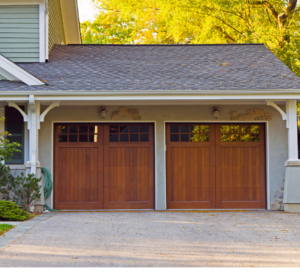
Seasonal Garage Door Maintenance Tips for Chicago Homes
Winter Proofing and Summer Care That Protects Your Investment Chicago weather is demanding on residential garage doors. Between freezing winters near Lake Michigan and humid
Winter Proofing and Summer Care That Protects Your Investment Chicago weather is demanding on residential garage doors. Between freezing winters near Lake Michigan and humid
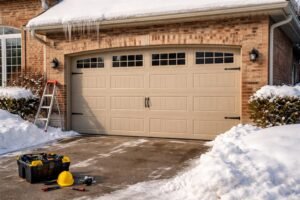
For homeowners in Chicago, a garage door does much more than open and close. It protects your vehicle, adds security to your home, and shields

If your garage door looks crooked, makes grinding noises, or gets stuck halfway, you may be dealing with a serious alignment issue. Garage Door Off
If your garage door suddenly won’t open, feels extremely heavy, or makes a loud snapping sound, chances are you need Garage Door Spring Repair Chicago
When homeowners ask us whether a gas smell in garage dangerous, our answer is almost always yes, at least until proven otherwise. From years of
When homeowners ask us how to get rid of gas smell in garage, it is usually after the odor has lingered longer than expected or
When my garage smells like gasoline, we treat it as a safety-first problem, even if it comes and goes. In the field, we found that
When a homeowner tells us their garage smells like gas, we treat it as a safety-first situation, even if the smell seems faint or comes
Over the years, we have been asked more frequently about the springless garage door, especially by homeowners looking for alternatives to traditional torsion or extension
Practical guidance from Fairway Garage Door technicians serving Chicago and the North Shore. From spring replacements and opener upgrades to seasonal maintenance, find answers from the team that handles it every day.
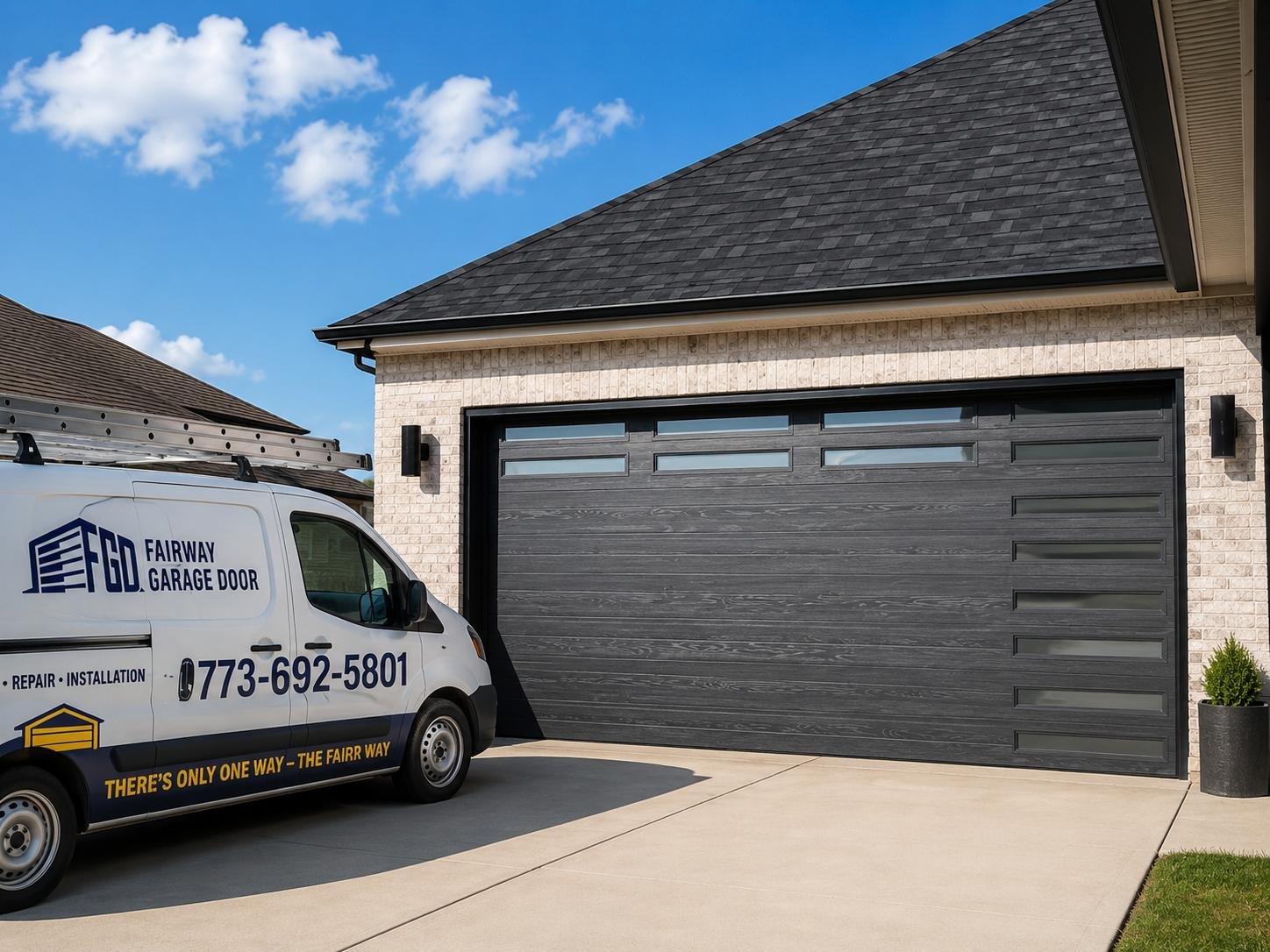
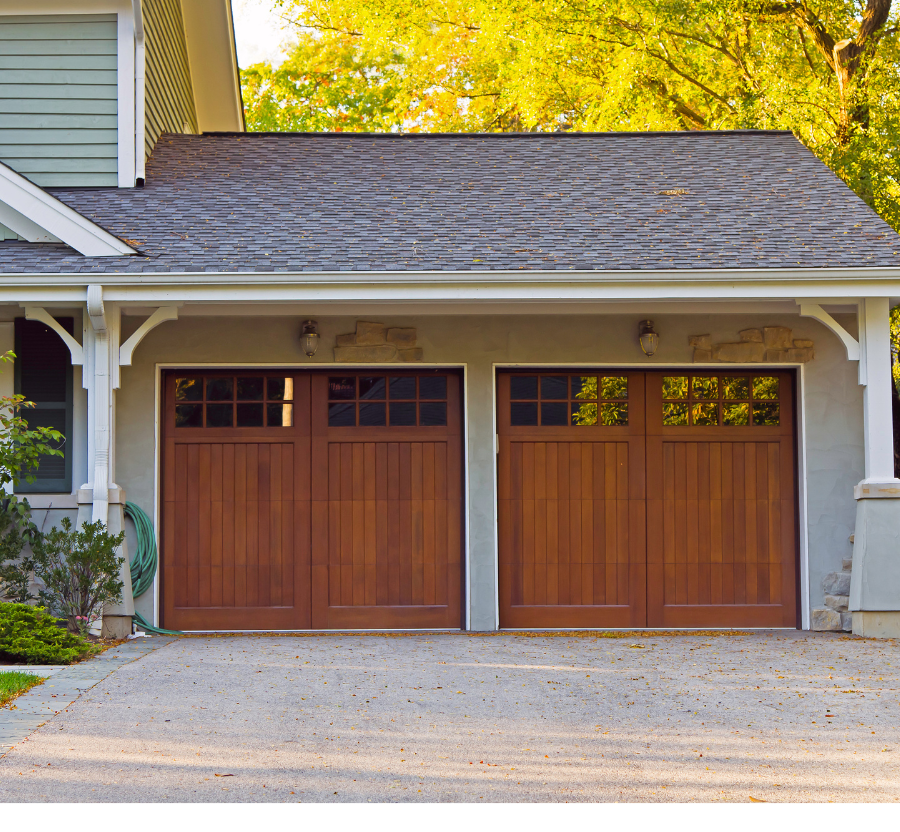
Winter Proofing and Summer Care That Protects Your Investment Chicago weather is demanding on residential garage doors. Between freezing winters near Lake Michigan and humid summers across Cook County, your garage door system faces year round stress. Without seasonal maintenance, small mechanical issues can turn into costly repairs. If you want to extend the lifespan of your system and reduce emergency breakdowns, following a structured maintenance routine is essential for every Chicago homeowner. Why Seasonal Maintenance Is Critical in Chicago Homes across Chicago, Morton Grove, Skokie, and Evanston experience temperature swings that directly impact springs, rollers, tracks, and weather seals. Freezing temperatures cause metal components to contract and weaken. Road salt exposure accelerates rust formation along the bottom panel. During summer, humidity and heat increase expansion and mechanical strain. For homeowners searching for how to maintain a garage door in Chicago winter or summer garage door care in Cook County, seasonal upkeep is the answer. Winter Garage Door Maintenance Tips for Chicago Homes Winter places the most strain on garage doors throughout the Chicagoland area. Inspect Weather Seals and Bottom Stripping Cold air infiltration is common in attached garages across the North Side and Northwest suburbs. If you notice cracked rubber seals or visible daylight under the door, replacement is necessary. This improves energy efficiency and prevents snow melt from entering your garage. Lubricate Moving Parts Before Extreme Cold Cold weather thickens old lubricants and increases friction. Apply a professional garage door lubricant to hinges, rollers, and torsion springs before temperatures drop below freezing. This is especially important for homeowners looking for preventive garage door service in Chicago before winter storms. Inspect Springs for Winter Stress Spring failures are most common during Chicago winters. If your door feels heavier or opens unevenly, the torsion springs may be weakening. Clear Snow and Ice Buildup Snow accumulation at the base can freeze overnight and cause the door to stick. For homeowners searching why is my garage door stuck in winter in Chicago, ice bonding is often the cause. Keeping the base clear reduces opener strain and prevents track misalignment. Summer Garage Door Maintenance for Chicago Properties Summer humidity and daily usage patterns also require attention. Inspect Tracks and Rollers: Dust and debris accumulate in tracks during warmer months. Clean tracks and ensure rollers move smoothly. Tighten Hardware and Hinges: Daily vibration loosens brackets over time. Homes in high traffic neighborhoods such as Orland Park, Norwood Park, and Des Plaines benefit from mid year hardware checks. Test Safety Sensors: Modern garage systems rely on photo eye sensors. If your door does not reverse properly, sensor alignment may be off. Inspect for Rust and Surface Damage: Salt exposure from winter often reveals itself in summer through rust spread. Address minor corrosion early before structural damage develops. Lubrication, Spring Inspection, and Weather Seal Maintenance Three core maintenance tasks protect garage doors across the Chicago metro area. First, lubrication reduces wear on hinges and bearings while minimizing noise. Second, spring inspection ensures safe weight distribution and prevents sudden failures. Third, weather seal maintenance blocks moisture intrusion that accelerates corrosion. Homeowners often search for annual garage door service Chicago or garage door maintenance near me in Cook County. Addressing these areas proactively prevents emergency situations. When to Schedule Professional Garage Door Service Chicago Homeowners Trust While basic cleaning can be done at home, professional service should be scheduled at least once per year. A trained technician will: Inspect torsion springs Balance the door Check opener force settings Verify safety sensor alignment Examine track stability For those searching for reliable garage door service Chicago IL, emergency garage door repair Chicago, or garage door inspection in Morton Grove, routine maintenance is far more affordable than emergency repairs. Final Thoughts Seasonal garage door maintenance is essential for homes across Chicago and surrounding suburbs. Winter proofing protects against extreme cold and salt damage. Summer care prevents humidity related wear and mechanical stress. By maintaining lubrication, inspecting springs, and ensuring strong weather seals, you extend the life of your system and improve safety. For homeowners looking for dependable Garage Door Service Chicago residents rely on, proactive maintenance is the smartest investment you can make before the next season arrives. Frequently Asked Questions 1. How often should I service my garage door in Chicago Chicago homeowners should schedule professional garage door service at least once a year. Due to harsh winters and humidity, many homes benefit from a spring and fall inspection to prevent seasonal damage. 2. Why does my garage door stop working in cold Chicago weather Freezing temperatures can cause metal springs to contract and lubricants to thicken. Ice buildup along the bottom seal may also prevent the door from opening properly. Regular winter maintenance reduces these risks. 3. What type of lubricant is best for garage doors in Chicago A professional grade silicone or lithium based garage door lubricant works best. Avoid heavy grease products that harden in cold temperatures and increase friction during winter months. 4. How do I know if my garage door springs need inspection If your door feels heavier than usual, opens unevenly, or makes loud snapping sounds, the springs may be weakening. Chicago winters put extra stress on torsion springs, making annual inspection important. 5. Can weather seals really improve energy efficiency Yes. Proper weather seal maintenance prevents cold air from entering attached garages, which helps stabilize indoor temperatures and reduce heating costs during Chicago winters. 6. Is seasonal maintenance cheaper than emergency repair Absolutely. Preventive garage door maintenance in Chicago typically costs far less than emergency repairs caused by broken springs or off track doors during extreme weather. 7. When should I call a professional instead of doing maintenance myself Homeowners can clean tracks and visually inspect components, but spring adjustments, cable repairs, and opener calibration should always be handled by trained technicians for safety reasons.
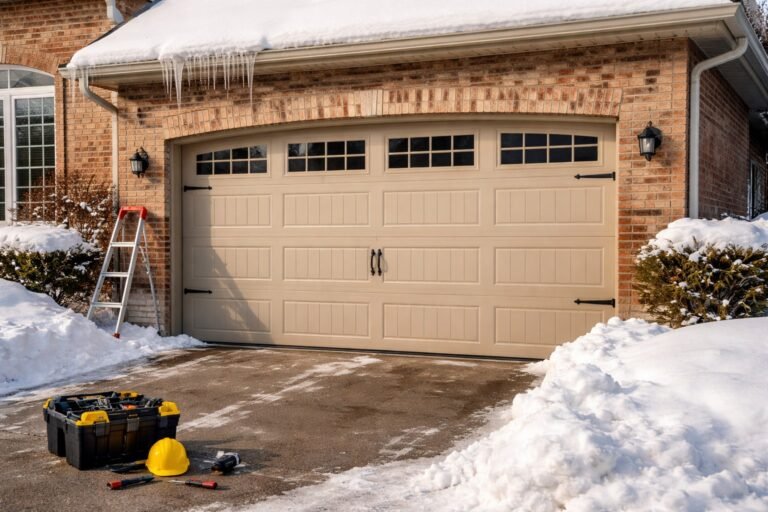
For homeowners in Chicago, a garage door does much more than open and close. It protects your vehicle, adds security to your home, and shields your property from harsh Midwest weather. With freezing winters, strong winds, humidity, and road salt exposure, garage doors in this region experience faster wear compared to milder climates. If your garage door is acting up, you may be wondering whether a repair will solve the problem or if it is time to invest in a full replacement. This guide explains how to make the right decision based on condition, safety, and long term value. Chicago weather creates constant stress on garage door systems. Cold temperatures cause metal springs to contract and weaken. Road salt accelerates rust on the bottom panel. Moisture leads to corrosion of hinges and rollers. Strong winds can push doors off alignment if the tracks are already loose. Because of this climate, many garage doors in Chicago require professional service sooner than expected. When Repair Is the Right Choice Not every issue means you need a new door. In many cases, professional Chicago garage door repair is the most cost effective solution. If your door makes grinding or squeaking sounds, the issue may involve worn rollers or loose hardware. These problems are common and usually simple to fix. If the door opens unevenly, you could be dealing with a cable or spring issue. Spring replacement is one of the most common services in the Chicago area due to temperature changes. If your opener responds slowly or inconsistently, the problem may involve the motor or sensors rather than the door itself. If your garage door is less than fifteen years old and the structural panels are in good condition, repair is often the smarter investment. When Replacement Makes More Sense There are situations where replacing the entire system saves money and improves safety. If your garage door is more than fifteen to twenty years old, it likely lacks modern insulation and updated safety features. Older doors are also less energy efficient, which matters during Chicago winters. If you have repeated breakdowns year after year, repair costs can add up quickly. At that point, replacement becomes a better long term solution. Severe rust along the bottom panel is another warning sign. Salt exposure in Chicago neighborhoods often causes corrosion that spreads over time. If structural integrity is compromised, replacement is safer. If your energy bills are rising and your garage is attached to your home, poor insulation could be the reason. A new insulated door can improve temperature control and comfort inside your home. Energy Efficiency Matters in Chicago In a city known for freezing winters and humid summers, insulation plays a major role. Modern insulated garage doors help maintain indoor temperatures, reduce strain on heating systems, and minimize outside noise. For homes in areas such as Morton Grove, Skokie, and across the North Side, upgrading to an insulated steel door can also improve curb appeal and property value. Safety Should Never Be Ignored Garage doors are heavy and operate under high tension. If your door suddenly slams shut, refuses to stay open, or jerks during movement, stop using it immediately. These signs may indicate a failing spring or cable, which can be dangerous. Professional inspection ensures your system is safe and compliant with modern standards. Signs You Should Replace Your Garage Door Sometimes repairs become a temporary fix that costs more in the long run. The Door Is 15–20+ Years Old: Older doors lack insulation and modern safety features. New models are more energy-efficient and quieter. Frequent Breakdowns: If you’re calling for garage door repair in Chicago every year, replacement may be more cost-effective. Severe Rust or Rot: Chicago winters are tough on bottom panels. If rust has spread or wood is rotting, structural safety may be compromised. Rising Energy Bills: Poor insulation allows cold air into your garage, especially important for attached garages in Chicago homes. The Door Is Off-Track or Structurally Warped: Major track damage or frame warping usually signals replacement. Signs Your Garage Door Needs Repair (Not Replacement) In many cases, professional repair is the smartest and most cost-effective option. 1. The Door Makes Grinding or Squeaking Noises Unusual sounds usually mean worn rollers, loose hardware, or a dry track. These are minor issues that can often be fixed during a professional tune-up. 2. The Door Opens Unevenly If one side lifts higher than the other, it could be a cable or spring issue. Spring replacement is common in Chicago due to temperature fluctuations. 3. Slow or Delayed Response If you press your opener and it hesitates, the issue may involve sensors, wiring, or the opener motor — not the door itself. 4. Minor Panel Damage Small dents from hail or minor impacts usually don’t require full replacement unless structural integrity is compromised. If the door structure is solid and the issue is mechanical, repair is typically the best solution. Repair vs Replacement: Cost Comparison in Chicago While prices vary, here’s a general comparison for homeowners in the Chicago area: Spring repair: Lower cost, typically worth fixing Cable replacement: Affordable repair Panel replacement: Depends on model availability Full door replacement: Higher upfront cost but better long-term ROI In many Chicago neighborhoods like Morton Grove, Skokie, and North Side communities, upgrading to an insulated steel door can increase property value and improve curb appeal. When Chicago Weather Makes Replacement the Smarter Choice With freezing winters and hot summers, insulated garage doors provide: Better temperature control Lower heating bills Reduced outside noise Increased durability If your garage is attached to your home, insulation matters even more. Repair If: The problem is isolated, the door is under 15 years old, and the structure is still solid. Replace If: The door has widespread rust, repeated breakdowns, outdated insulation, or safety concerns. How Fairway Garage Door Helps Chicago Homeowners At Fairway Garage Door, we specialize in: Chicago garage door repair Emergency garage door repair in Chicago Garage door repair in Morton Grove and nearby
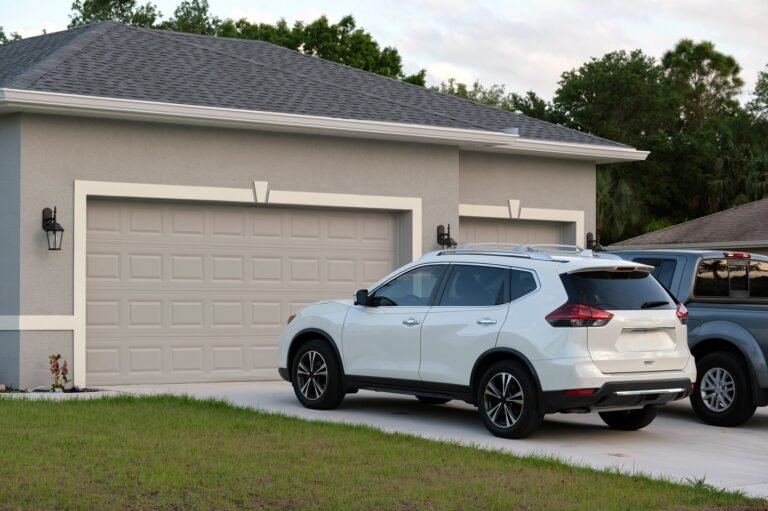
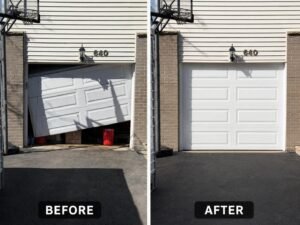
If your garage door looks crooked, makes grinding noises, or gets stuck halfway, you may be dealing with a serious alignment issue. Garage Door Off Track Repair Chicago is one of the most urgent services homeowners need, especially with the city’s changing weather conditions and high daily usage. In Chicago, where garages protect vehicles from snow, wind, and urban exposure, an off-track door is more than an inconvenience, it’s a safety hazard. One of the most urgent issues homeowners face is an off-track door. Below is a complete guide covering causes, warning signs, emergency solutions, and how Fairway Garage Door delivers trusted Emergency Garage Door Repair In Chicago and Garage Door Repair in Morton Grove. What Does “Garage Door Off Track” Mean? Your garage door operates on a metal track system with rollers guiding it smoothly up and down. When the rollers slip out or the track bends, the door loses alignment. An off-track door can: Hang unevenly Jam midway Create loud grinding sounds Put pressure on cables and springs Ignoring this issue can lead to panel damage, cable snapping, or even full door collapse. Why Garage Doors Go Off Track in Chicago 1. Harsh Winter Weather Chicago winters cause metal contraction and expansion. Ice buildup at the base can force the door off alignment. 2. Accidental Vehicle Impact In dense Chicago neighborhoods and tight garages, minor bumper impacts are common causes. 3. Worn Rollers High daily usage, especially in commuter households , wears down rollers faster. 4. Loose Hardware Vibration over time loosens brackets and track bolts. 5. Broken Cables or Springs When tension systems fail, the door lifts unevenly and slips off track. Professional Garage Door Off Track Repair Chicago services address both the alignment and underlying cause. Why Garage Door Problems Are Common in Chicago In Chicago and surrounding suburbs like Morton Grove, garage doors are more than convenience, they are essential for: Protecting vehicles from snow and ice Securing homes in dense neighborhoods Providing daily primary entry access Shielding property from wind and moisture Frequent use combined with harsh weather accelerates wear on springs, rollers, cables, and tracks, increasing the demand for professional Chicago garage door repair services. Most Common Garage Door Problems in Chicago 1. Garage Door Off Track Causes: Ice buildup at the bottom seal Minor vehicle impact Worn rollers Loose track brackets Broken cables Signs: Crooked door Grinding noises Door stuck halfway Rollers outside track Solution: Professional realignment, roller replacement, track repair, and complete system safety testing. Off-track doors require immediate Emergency Garage Door Repair In Chicago to prevent structural damage. 2. Broken Garage Door Springs Causes: Cold weather metal contraction Normal cycle wear Rust buildup High daily usage Signs: Loud snapping sound Door won’t lift Heavy manual operation Solution: Replace torsion or extension springs with properly rated, high-cycle options. Always replace both springs together for balance. 3. Snapped or Loose Cables Causes: Spring failure Track misalignment Fraying due to friction Solution: Replace lift cables and inspect drums, bearings, and spring tension system. 4. Garage Door Opener Malfunctions Causes: Motor wear Circuit board issues Gear stripping Sensor misalignment Solution: Professional diagnostics, gear replacement, opener repair, or system upgrade. How Fairway Garage Door Helps When homeowners need dependable Chicago garage door repair, Fairway Garage Door provides: 1. 24/7 Emergency Response Fast Emergency Garage Door Repair In Chicago for: Off-track doors Broken springs Snapped cables Stuck doors Same-day service reduces safety risks and inconvenience. 2. Local Expertise in Morton Grove & Chicago Suburbs Specialized Garage Door Repair in Morton Grove and surrounding communities with knowledge of local weather impact and housing styles. 3. Complete System Inspection Not just a quick fix — every service includes: Spring balance testing Track alignment inspection Cable tension check Roller wear assessment Safety reverse testing This comprehensive approach prevents recurring failures. 4. High-Cycle Spring Upgrades Designed for heavy daily usage common in Chicago commuter households. 5. Licensed & Insured Technicians Ensuring safe handling of high-tension components. 6. Transparent Pricing Clear estimates with no hidden fees. Preventative Maintenance for Chicago Homeowners To reduce emergency breakdowns: Schedule annual tune-ups Lubricate moving parts every 6 months Replace worn rollers early Inspect weather stripping before winter Tighten track hardware regularly Routine maintenance significantly lowers the need for Emergency Garage Door Repair In Chicago. FAQ 1. How quickly can emergency garage door repair be completed in Chicago? Most emergency repairs are resolved within 1–2 hours depending on severity. 2. Why does my garage door fail more often in winter? Cold temperatures increase metal stress, while moisture accelerates rust formation. 3. Is off-track repair covered by insurance? Impact damage may be covered, but wear and tear typically is not. 4. Should I replace my garage door if it goes off track? In most cases, no. Professional Chicago garage door repair restores safe operation without full replacement. 5. Do you service Morton Grove? Yes. Fairway Garage Door provides expert Garage Door Repair in Morton Grove and nearby communities.
If your garage door suddenly won’t open, feels extremely heavy, or makes a loud snapping sound, chances are you need Garage Door Spring Repair Chicago services. Garage door springs are one of the most critical components of your entire door system and when they fail, your garage becomes unsafe and unusable. In this guide, we’ll explain how garage door springs work, signs they’re failing, why Chicago weather impacts them, and when to call a professional for emergency repairs. Why Garage Door Springs Matter Garage door springs counterbalance the weight of your garage door. Without them: Your opener struggles or fails The door becomes extremely heavy Cables may snap The system becomes dangerous Most residential garage doors weigh between 150–400 pounds. Springs handle nearly all of that weight. That’s why Garage Door Spring Repair Chicago is not something homeowners should ignore. Types of Garage Door Springs There are two main types: 1. Torsion Springs Mounted above the garage door More durable and longer lifespan Smoother and quieter operation Common in modern Chicago homes 2. Extension Springs Located along the sides of the door Stretch and contract to lift the door Typically found in older garages Less lifespan than torsion springs If you’re unsure which type you have, a local Garage Door Repair Chicago technician can inspect and identify it quickly. Signs You Need Garage Door Spring Repair in Chicago Watch for these warning signs: 1. Loud Bang from the Garage When a torsion spring breaks, it often makes a loud snapping noise. 2. Garage Door Won’t Open If your opener runs but the door doesn’t move, the spring may be broken. 3. Door Opens Crooked A broken spring on one side causes uneven lifting. 4. Visible Gap in the Spring Torsion springs show a 2–3 inch gap when snapped. 5. Heavy Manual Lift If the door feels extremely heavy, springs may be worn. If you notice any of these signs, you likely need Garage Door Spring Repair Chicago services immediately. Why Chicago Weather Damages Garage Door Springs Chicago’s climate plays a big role in spring failure. Cold Winters Metal contracts in freezing temperatures, increasing tension and making springs more brittle. Moisture & Rust Humidity, snow, and salt exposure cause corrosion, especially in uninsulated garages. Temperature Fluctuations Rapid temperature changes weaken spring metal over time. Because of this, homeowners often need Garage Door Spring Repair more frequently than in milder climates. How Long Do Garage Door Springs Last? Most standard springs are rated for: 10,000 cycles (open + close = 1 cycle) 7–10 years average lifespan If you use your garage as a primary entrance, you may hit that cycle limit sooner. Upgrading to high-cycle springs during your Garage Door Spring Repair Chicago appointment can extend lifespan significantly. Can You Repair Garage Door Springs Yourself? Short answer: No. It’s extremely dangerous. Garage door springs are under intense tension. DIY repair can result in: Severe injury Broken cables Damaged openers Misaligned doors Professional Garage Door Spring Repair Chicago technicians use specialized tools and safety procedures to prevent accidents. Emergency Garage Door Spring Repair Chicago If your spring breaks: Do NOT attempt to open the door manually Do NOT disconnect cables Avoid using the opener Call for emergency Garage Door Spring Repair Chicago services, especially if: Your car is trapped inside The door is stuck halfway Cables have come loose Most Chicago repair companies offer 24/7 emergency service. What Happens During a Spring Repair Service? A professional technician will: Inspect both springs (even if only one is broken) Check cables and rollers Release tension safely Replace springs with correct weight rating Balance and test the door Lubricate moving parts High-quality Garage Door Spring Repair Chicago includes full system inspection, not just spring replacement. Cost of Garage Door Spring Repair Chicago Pricing depends on: Spring type (torsion vs extension) Door weight and size Single vs double door Emergency service timing Average Chicago pricing: Extension springs: $150–$250 Torsion springs: $200–$400 High-cycle upgrades: slightly higher Always choose licensed and insured technicians. Preventing Future Spring Failure To extend spring life: Schedule annual maintenance Lubricate springs every 6 months Keep garage dry to prevent rust Replace both springs at the same time Avoid slamming the garage door Preventive maintenance reduces the need for frequent Garage Door Spring Repair Chicago calls. Why Professional Garage Door Spring Repair in Chicago Is Worth It Choosing a professional ensures: Proper spring size and tension Balanced door operation Safer home environment Longer system lifespan Warranty protection Garage door springs are not a minor part, they are the backbone of your entire garage system. Final Thoughts If your garage door is stuck, uneven, or unusually heavy, don’t wait. Broken springs can damage your opener and create serious safety hazards. Reliable Garage Door Spring Repair Chicago keeps your home secure, your vehicles accessible, and your garage system running smoothly year-round, especially in Chicago’s harsh climate. FAQ 1. Should both garage door springs be replaced at the same time? Yes. Springs wear evenly. If one breaks, the second is usually close to failure. Replacing both prevents another service call soon after. 2. How long does garage door spring repair take? Most professional repairs are completed within 60–90 minutes, including balancing and safety testing. 3. Can I open my garage door if the spring is broken? It is strongly discouraged. The door becomes extremely heavy and may damage your opener or cause injury. 4. Why did my spring break suddenly without warning? Springs weaken internally over time due to cycle fatigue and Chicago’s temperature changes. The final snap often happens unexpectedly. 5. What is the difference between standard and high-cycle springs? High-cycle springs are designed for more open/close cycles, making them ideal for busy households. 6. Does homeowners insurance cover broken garage door springs? Typically no. Spring failure is considered normal wear and tear unless caused by a covered event. 7. How can I extend the life of my garage door springs? Routine lubrication, annual maintenance, and rust prevention significantly increase spring lifespan.
When homeowners ask us whether a gas smell in garage dangerous, our answer is almost always yes, at least until proven otherwise. From years of working in garages and responding to service calls, we found that fuel-related odors are one of the most commonly underestimated safety risks around a home. Garages collect vapors, limit airflow, and contain ignition sources, which means a small problem can escalate quickly. That said, not every odor means the same thing. The key is knowing when to act immediately and when careful investigation is appropriate. Why Gas Smells in Garages Are Taken Seriously We observed that garages behave differently from living spaces. They trap fumes close to the floor, where gasoline vapors and natural gas can concentrate. Over time, those vapors can spread into the house through shared walls or ducting. In the field, we found that most serious incidents start with a smell that was ignored because it seemed mild or temporary. Treating any suspected gas leak in garage as real until confirmed otherwise is the safest mindset. Gasoline vs Natural Gas, Why the Difference Matters One reason these situations are confusing is that “gas smell” can mean different things. Both can be dangerous, but they behave differently. We observed that gasoline fumes in garage tend to linger longer because they cling to surfaces and evaporate slowly, especially in warm conditions. When the Smell Is an Immediate Danger There are situations where you should stop troubleshooting and act right away. Based on what we found over years of service calls, immediate action is needed if: In these cases, the gas smell in garage dangerous becomes an emergency issue. We suggest getting everyone outside, avoiding switches or remotes, and calling your gas utility or emergency services. For general public safety guidance on recognizing gas leaks and responding correctly, the U.S. Consumer Product Safety Commission provides clear instructions. Gasoline Odors, Still a Serious Risk We often hear homeowners ask if a gasoline smell in garage dangerous when it seems faint. Based on what we observed, gasoline vapors are highly flammable even at low concentrations. Common causes include: That said, the danger increases when vapors build up over time. Even without visible liquid, the risk remains if the odor keeps returning. Mistakes That Increase Risk We found several habits that make these situations more dangerous: We suggest ventilating by opening the door once and leaving it open while you address the source, rather than cycling the opener. When Careful Investigation Is Appropriate If the smell is mild, intermittent, and clearly tied to something like a recent fill-up or stored fuel, you may have time to investigate safely. This is where we suggest: Even then, if the odor returns, it is no longer a guessing game. Persistent smells mean something is still releasing vapor. Final Thoughts From the Field From real-world experience, the question is not whether a gas smell in garage dangerous, but how quickly you respond. Some situations require immediate evacuation, others require careful inspection, but none should be ignored. That said, fuel odors are warning signals. Treat them seriously, act conservatively, and do not hesitate to involve professionals when the source is unclear. Early action prevents fires, injuries, and costly damage later.
When homeowners ask us how to get rid of gas smell in garage, it is usually after the odor has lingered longer than expected or keeps coming back. From years of working in and around garages, we found that fuel smells behave differently than most household odors. Gas vapors spread quickly, cling to surfaces, and build up in enclosed spaces, which is why garages are especially prone to this problem. That said, removing the smell safely is just as important as removing it completely. Masking odors without addressing the source can create serious safety risks. Step One: Make the Space Safe Before Anything Else Before you try to clean or deodorize, safety comes first. We observed that many homeowners immediately reach for fans, cleaners, or even run the garage door opener repeatedly, which can be dangerous if vapors are still present. We suggest starting with: If the smell is strong or you feel lightheaded, step outside and contact local emergency services. For general fuel vapor safety guidance, the U.S. Consumer Product Safety Commission provides clear recommendations on handling gasoline and vapors: Identify the Source Before You Treat the Smell From what we found in the field, deodorizing without source control almost never works. Gas odors usually come from one of three places: If you are trying to get rid of gas smell in garage permanently, you must first stop any active vapor release. That might mean tightening a gas cap, removing old fuel cans, or isolating equipment that vents fuel vapor. Ventilation Is Necessary but Not Sufficient Ventilation is always the first step, but it rarely finishes the job by itself. We observed that gasoline vapors settle into drywall, cardboard, wood shelving, and even bare concrete. To how to get gas smell out of garage effectively, ventilation should be combined with surface treatment. Leave the door open for several hours, then reassess where the odor is strongest rather than assuming it is gone. Cleaning and Absorbing Residual Odors Once the source is controlled, the next goal is to remove gas smell from garage surfaces. This is where many people go wrong by using harsh chemicals that react poorly with fuel residue. Based on what we observed, effective steps include: Homeowners often ask what neutralizes the smell of gasoline. In practice, absorption works better than “neutralizing.” Odors fade when vapors are captured and removed, not masked. Treating Concrete Floors and Porous Surfaces Concrete is one of the biggest reasons gas smells linger. We found that even small spills can soak deep into the slab. To how to remove gas smell from garage floors: Sealing the concrete may be necessary if the smell keeps returning after cleaning. Common Mistakes That Make the Smell Worse We observed several habits that prolong or intensify fuel odors: That said, patience matters. Odor removal takes time, especially if vapors have been present for days. When the Smell Keeps Coming Back If you have followed all steps and still need to how to eliminate gas smell, it usually means there is an ongoing source. In our experience, recurring odors point to: At that point, continued DIY attempts often waste time and increase risk. Final Thoughts From the Field From years of hands-on experience, the safest and most effective way to handle fuel odors is methodical, not aggressive. Control the source, ventilate correctly, absorb residue, and only then clean surfaces. If you are still unsure how to get rid of gas smell in garage after following these steps, professional inspection is the right next move. Persistent fuel odors are not something to ignore or cover up, they are signals that something still needs attention.
When my garage smells like gasoline, we treat it as a safety-first problem, even if it comes and goes. In the field, we found that gasoline odor complaints usually come from one of three buckets: vapor escaping from a vehicle fuel system, vapors from stored fuels (cans, lawn equipment), or lingering residue from a spill that keeps off-gassing into an enclosed space. That said, garages trap vapors easily, so a small source can smell big. Below is how we suggest approaching it, based on what we observed on real service calls. Do this first before troubleshooting If you notice a strong gasoline smell in garage, take these steps before you start inspecting anything: If fuel cans or portable containers are involved, the U.S. Consumer Product Safety Commission has straightforward gasoline fuel container safety guidance on storage and handling. Why the smell can be worse than the leak We observed that gasoline vapors cling to porous materials, cardboard, drywall, rags, and even unfinished concrete. Temperature swings also matter. When the garage warms up in the afternoon, vapors expand and the odor becomes more noticeable. So when a homeowner says the garage smells like gasoline, the source can be small but persistent. Most common causes we find 1) A minor spill that keeps off-gassing This is the most overlooked cause. A few ounces spilled near a car, gas can, mower, or snowblower can soak into concrete and keep releasing vapor for days. What we suggest: 2) Vehicle evap system issues and loose caps If you have a gasoline smell in garage and it seems tied to one vehicle, common culprits include a loose cap, cracked cap seal, or an evaporative emissions (EVAP) fault that vents vapor intermittently. We found this shows up a lot when the vehicle is parked shortly after driving, when the fuel tank is warm and pressure is higher. What we suggest: 3) Stored fuel containers and small engine equipment Gas cans, especially older ones or cans with worn seals, can leak vapor without visibly leaking liquid. Lawn equipment stored with fuel in the tank can also vent odors. If your garage smells like gasoline and you store fuel or equipment, move them to a well-ventilated, cool storage area that is not near ignition sources, and follow the container safety practices recommended by CPSC. 4) The “after filling up” pattern We observed a very specific pattern: garage smells like gas after filling up because vapors cling to clothing, gloves, the gas cap area, or a small splash-down at the pump that later evaporates in the garage. This often feels mysterious because the vehicle looks fine. What we suggest: 5) When it smells like gasoline but you cannot find liquid This is the situation homeowners describe as “it reeks, but nothing is wet.” In our experience, that usually means vapor-only loss (cap, EVAP venting, container seal) or an old spill soaked into porous surfaces. Quick rule-outs that save time If the odor is sharp and intense even after ventilation, treat it as active vapor release, not a lingering smell. When to stop DIY checks and call for help We suggest calling a qualified technician or your local fire department non-emergency line if: Also, if your garage has a water heater or other ignition source in the same space, be conservative. Vapors and ignition sources should never mix. Bottom line If the smell is occasional and clearly tied to fueling or a container, you can often solve it with ventilation, proper storage, and fixing the source. If the odor is persistent, spreading, or strong, do not keep guessing. The safest move is to treat it as active vapor release until proven otherwise.
When a homeowner tells us their garage smells like gas, we treat it as a safety-first situation, even if the smell seems faint or comes and goes. In the field, we found that “gas smell” complaints often fall into two categories, a true fuel or natural gas problem, or a look-alike odor (solvents, exhaust, sewer gas) that people understandably interpret as fuel. That said, you should not try to guess your way through it. Start with the safe steps below, then narrow down causes only after you are sure there is no immediate hazard. What to Do First If you notice a strong gas smell in garage, or you feel dizzy, nauseous, get a headache, or your eyes burn: For general guidance on recognizing a gas leak and what to do, this federal resource is a solid reference. We suggest treating any persistent odor as real until a qualified pro confirms otherwise. Why Garages Hold Onto Odors We observed garages behave like odor traps. They usually have limited ventilation, lots of porous materials (cardboard, drywall, insulation), and many “odor sources” in one place, vehicles, fuel cans, chemicals, appliances, and floor drains. Even when the source is small, the smell can build and linger. So when a customer says they smell gas in garage, it does not automatically mean a major leak, but it does mean you need a methodical check. Common Causes We Find 1. Gasoline vapors from a vehicle or fuel containers If you park a car inside, fuel vapors can come from: We found this is one of the most common explanations for smells like gas in garage, especially after refueling, warm days, or when the vehicle was parked right after a drive. What to do: 2. Exhaust smell mistaken for gas This is more common than most people think. A brief engine start inside the garage, even with the door open, can leave an exhaust odor that people interpret as fuel. We observed this in winter especially. What to do: 3. Natural gas or propane from appliances in or near the garage If you have a water heater, furnace, or gas dryer nearby, you may be dealing with a fuel supply issue, a pilot light issue, or venting problems. A faint odor near an appliance still matters. This is where homeowners often say smell of gas in garage but cannot see anything obvious. What to do: 4. “Garage smells like gas but no leak” scenarios We have had many calls where the homeowner insists there is no leak because they used soap solution and saw no bubbles. That test can miss intermittent issues or problems in places you cannot access safely. Common causes we found in these cases: If your garage smells like gas but no leak is visible, the right next step is a professional inspection, not repeated DIY testing. 5. “Garage smells like gas no car” situations When there is no vehicle involved, our attention shifts to: If your garage smells like gas no car is present, remove stored fuels first (safely), then have any gas appliances and nearby gas piping checked. Why This Can Become a Garage Door Problem Too As garage door pros, we also look at what your door system might be doing during these events. We observed that some people keep cycling the door open and closed to “air it out.” If there is a real fuel leak, that repeated use increases ignition risk because openers, remotes, and wall buttons can spark internally. We suggest ventilating by opening the door once, then leaving it open and addressing the source, rather than repeatedly running the opener. When to Call a Technician Immediately Call for professional help right away if: That said, do not wait for it to “get bad enough.” Early inspection is typically faster and cheaper than dealing with damage, emergency calls, or safety incidents. What We Suggest as a Practical Checklist If you want, tell me your setup (car in garage, gas water heater in garage, any stored fuel), and I will map the most likely cause order and the safest next steps without guessing.
Over the years, we have been asked more frequently about the springless garage door, especially by homeowners looking for alternatives to traditional torsion or extension spring systems. These doors are often marketed as safer, quieter, or maintenance-free, but real-world performance tells a more nuanced story. Based on what we have seen in the field, springless systems solve some problems while introducing others. Understanding how they work and where they struggle is critical before choosing one or attempting repairs. How Springless Garage Doors Actually Work Traditional garage doors rely on springs to counterbalance the weight of the door. A springless system removes that component entirely and replaces it with alternative lifting mechanisms. In most cases, springless garage doors use one of the following designs: We observed that these systems shift the workload from mechanical springs to motors and gear assemblies. Instead of storing energy in a spring, the opener itself does most or all of the lifting. That said, this design significantly changes how stress is distributed across the system. Why Springless Systems Exist Manufacturers introduced springless designs to address common homeowner concerns, mainly safety and spring failure anxiety. Broken springs can be dangerous if handled incorrectly, and springless systems eliminate that specific risk. We found that springless doors are most often installed in: That said, eliminating springs does not eliminate maintenance or failure risk. It simply moves it elsewhere. The Role of the Opener in a Springless System In a springless setup, the opener is no longer assisting the door, it is doing the heavy lifting. A springless garage door opener must be significantly stronger and more precisely calibrated than a standard opener. We observed that these openers operate under constant load. Unlike traditional systems where springs carry most of the weight, the motor in a springless system works hard every single cycle. This is also why many springless designs function as a garage door opener without springs, rather than a standard door with a modified opener. Repair Challenges We Commonly See From a service standpoint, springless systems present unique challenges. We found that many general garage door repair companies are not equipped or trained to service them properly. Common issues include: That said, diagnosing issues requires a different approach. Standard balance tests do not apply, and improper repairs can cause rapid system failure. We suggest that homeowners with springless systems avoid DIY repairs entirely. These systems often require manufacturer-specific tools and procedures. Cost Comparison and Long-Term Ownership One of the biggest misconceptions we encounter is that springless systems are cheaper over time. While they may reduce spring replacement costs, other expenses often offset those savings. Based on what we observed: That said, for homeowners prioritizing spring elimination for safety or design reasons, the tradeoff may still make sense. Safety and Performance Considerations Springless systems are not inherently unsafe, but they behave differently under failure conditions. Because the opener carries the load, a motor or drive failure can leave the door completely inoperable. For general safety awareness related to garage door systems and lifting mechanisms, we recommend reviewing guidance from the U.S. Consumer Product Safety Commission on garage door safety. Final Thoughts From the Field From our experience, springless systems are neither a perfect solution nor a gimmick. They are a specialized option that works best in the right application with proper expectations. We found that homeowners who understand the repair limitations and cost structure tend to be more satisfied long term. That said, professional installation, regular inspection, and correct servicing are critical to avoiding expensive failures. At Fairway Garage Door, we believe informed decisions lead to better outcomes. If you are considering a springless system or already own one that is not performing as expected, professional evaluation is the safest next step.
Essential reading for Chicago homeowners
4.9 stars · 140+ Google reviews · Chicago & North Shore suburbs